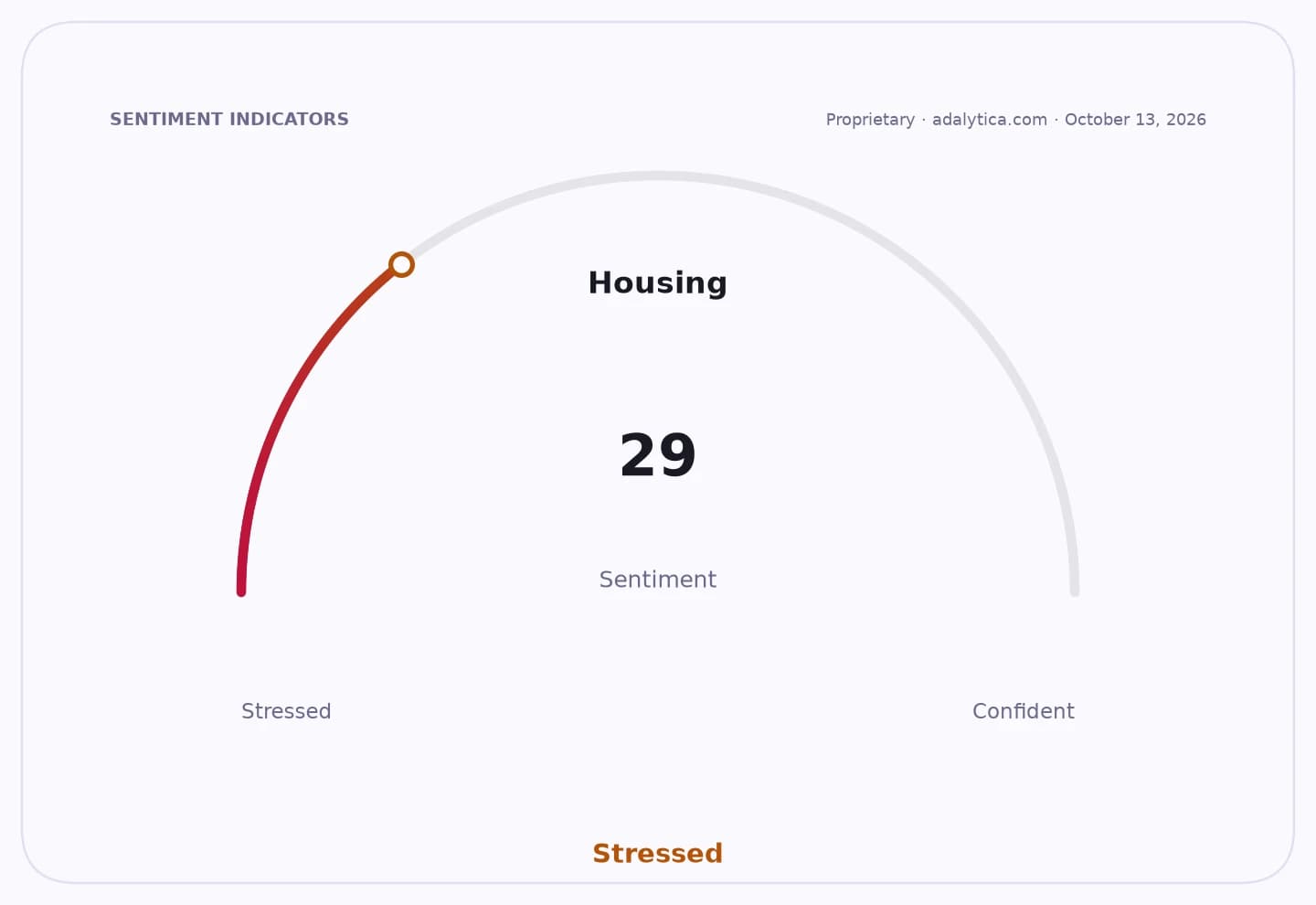
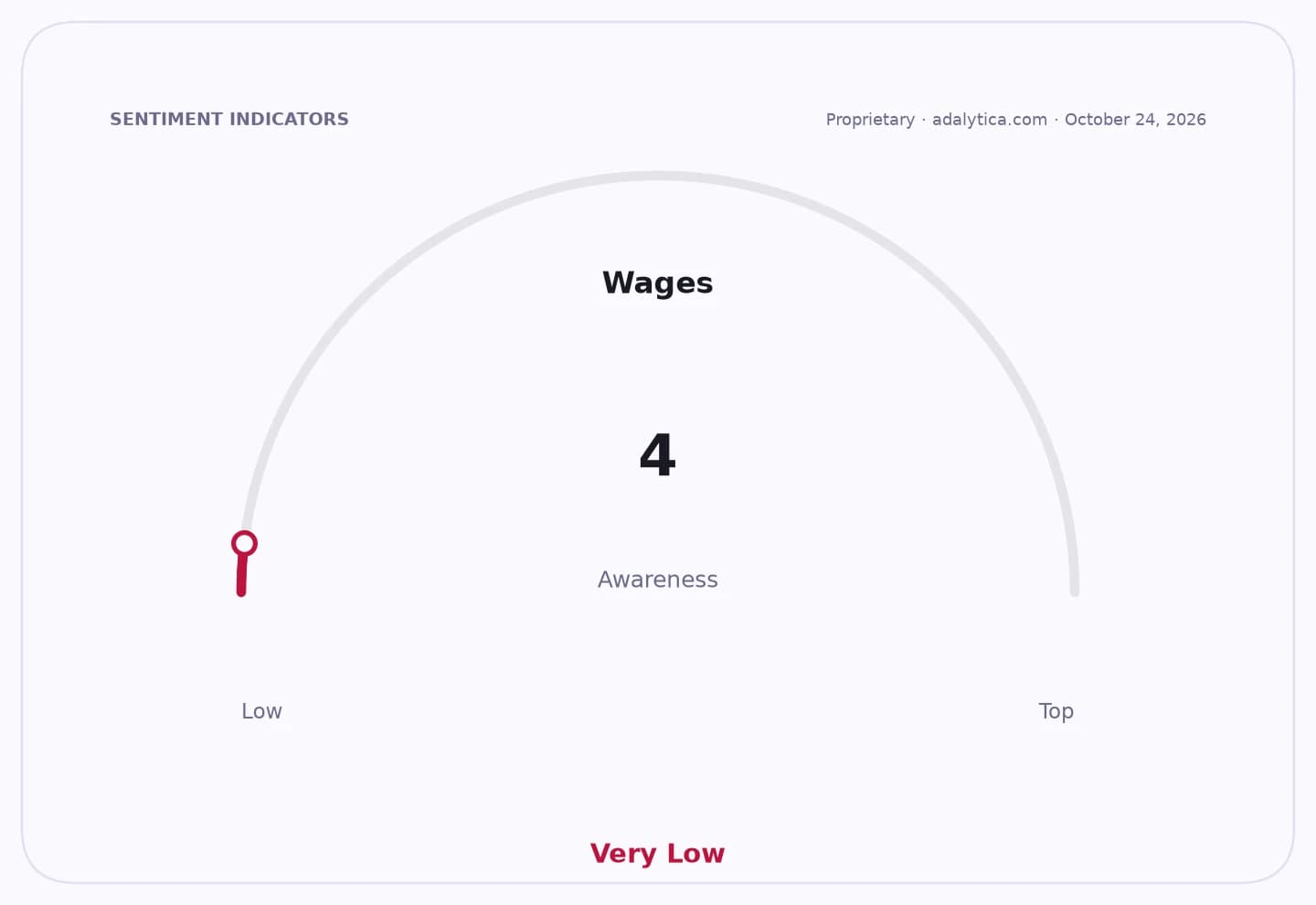
Australia’s housing market is being repriced for higher borrowing costs, with economists warning that another Reserve Bank hike could push house prices down 10% to 15% from recent peaks.
Australia housing prices risk 10% to 15% drop
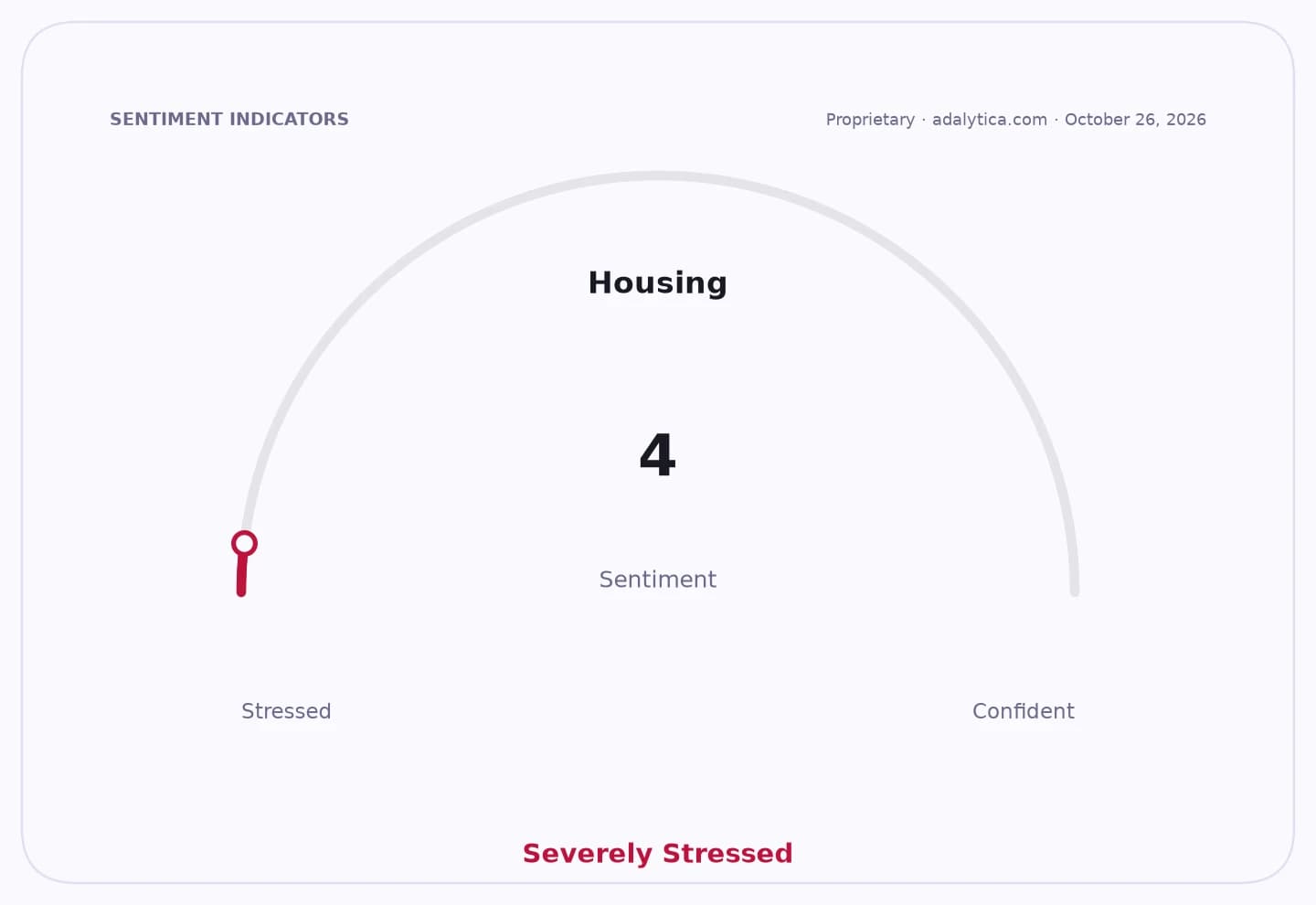
That is the central economic risk now driving the story: mortgage rates are already at their highest in a year, and the market is increasingly wagering that the RBA will tighten again in November, potentially as soon as Melbourne Cup day. Morgan Stanley’s sharper house-price forecast underscores how quickly affordability is deteriorating as the cash-rate outlook shifts.
The implications go beyond property values. Higher rates would tighten household cash flow, slow transaction volumes and deepen the drag on consumption, especially if borrowers on floating loans are forced to sell, downsize or move further from city centres. For the broader economy, that is a direct hit to residential demand and a potential brake on private investment at a time when inflation remains sticky enough to keep policymakers uneasy.
The signal from markets is already visible in bond pricing and risk assets. Australia’s 10-year government bond yield has climbed to about 5.0%, up from 4.96% a day earlier and well above the levels seen earlier in the year, reflecting expectations that policy will stay restrictive. Equity investors are also treating the setup cautiously: the S&P 500 is not the relevant benchmark here, but its recent swings in rate-sensitive sectors and the extreme fear reading in Adalytica’s housing and rent inflation sentiment gauge show how quickly markets can turn when rates and real estate move against each other.
For investors, the key issue is not just whether the RBA hikes once more, but whether that extends the downturn enough to hurt credit growth, housing-related earnings and consumer discretionary demand. Banks may benefit from a higher rate environment in the near term, but a sharper correction would raise arrears and reduce loan growth. Builders, brokers and property services firms face a more immediate hit from weaker turnover and stretched affordability.
Morgan Stanley’s call for a 10% to 15% price decline is severe, but not implausible if funding costs keep rising and buyers step back. Goldman Sachs’ suggestion of a Melbourne Cup day move has sharpened the near-term focus, and the next inflation and labour-market prints will decide whether November becomes a turning point or another false alarm.
| Entity | Gains | Losses |
|---|---|---|
| Banks | ▲Wider lending margins | ▼Higher credit risk |
| Home buyers | ▲None | ▼Higher mortgage costs |
| Existing homeowners | ▲Lower competition from buyers | ▼Falling home values |
| RBA hawks | ▲Credibility on inflation | ▼Growth and housing slowdown |