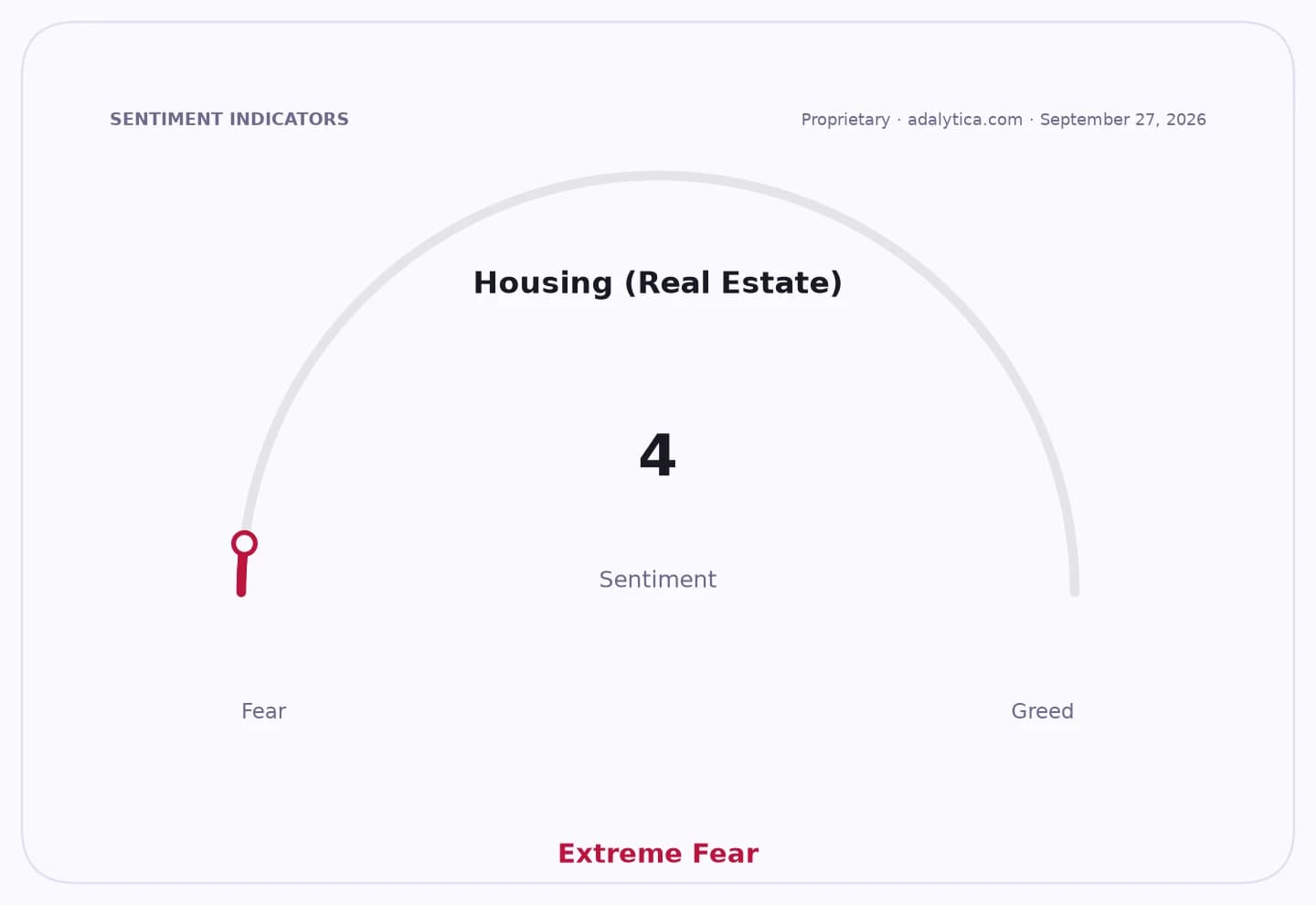
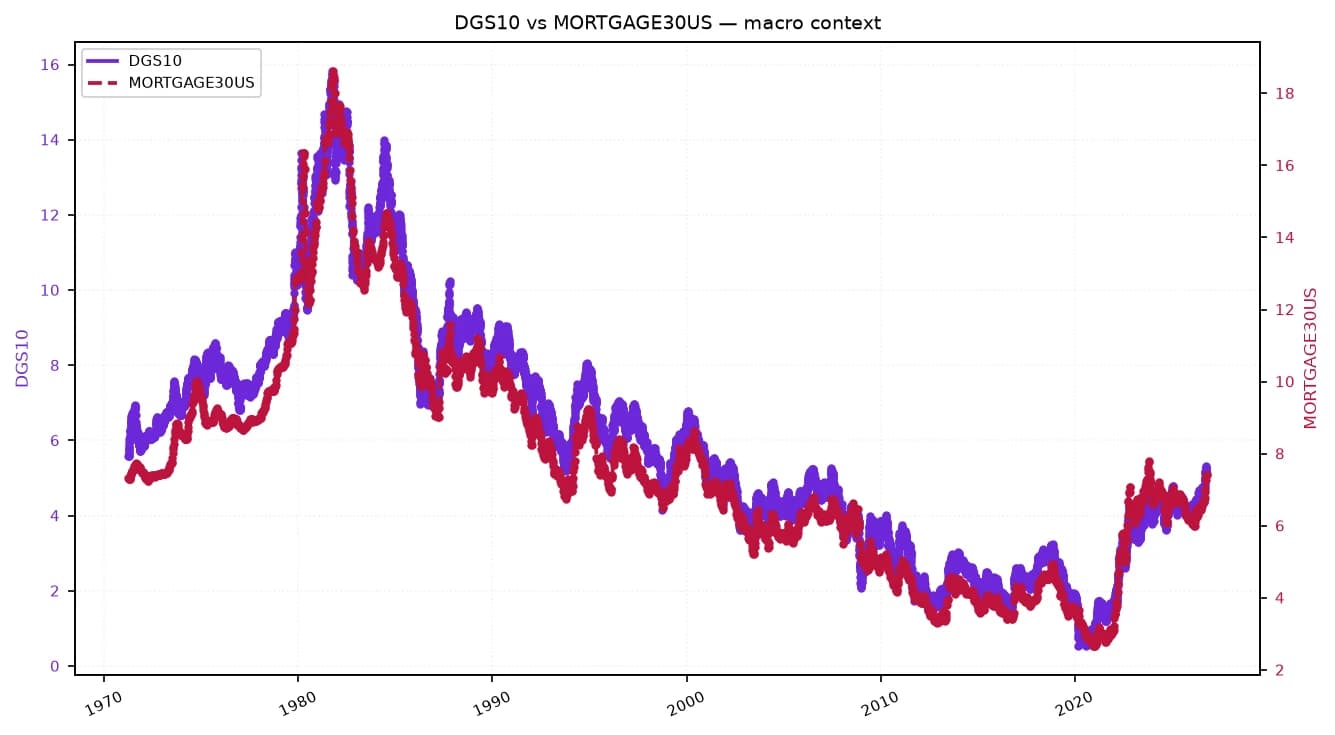
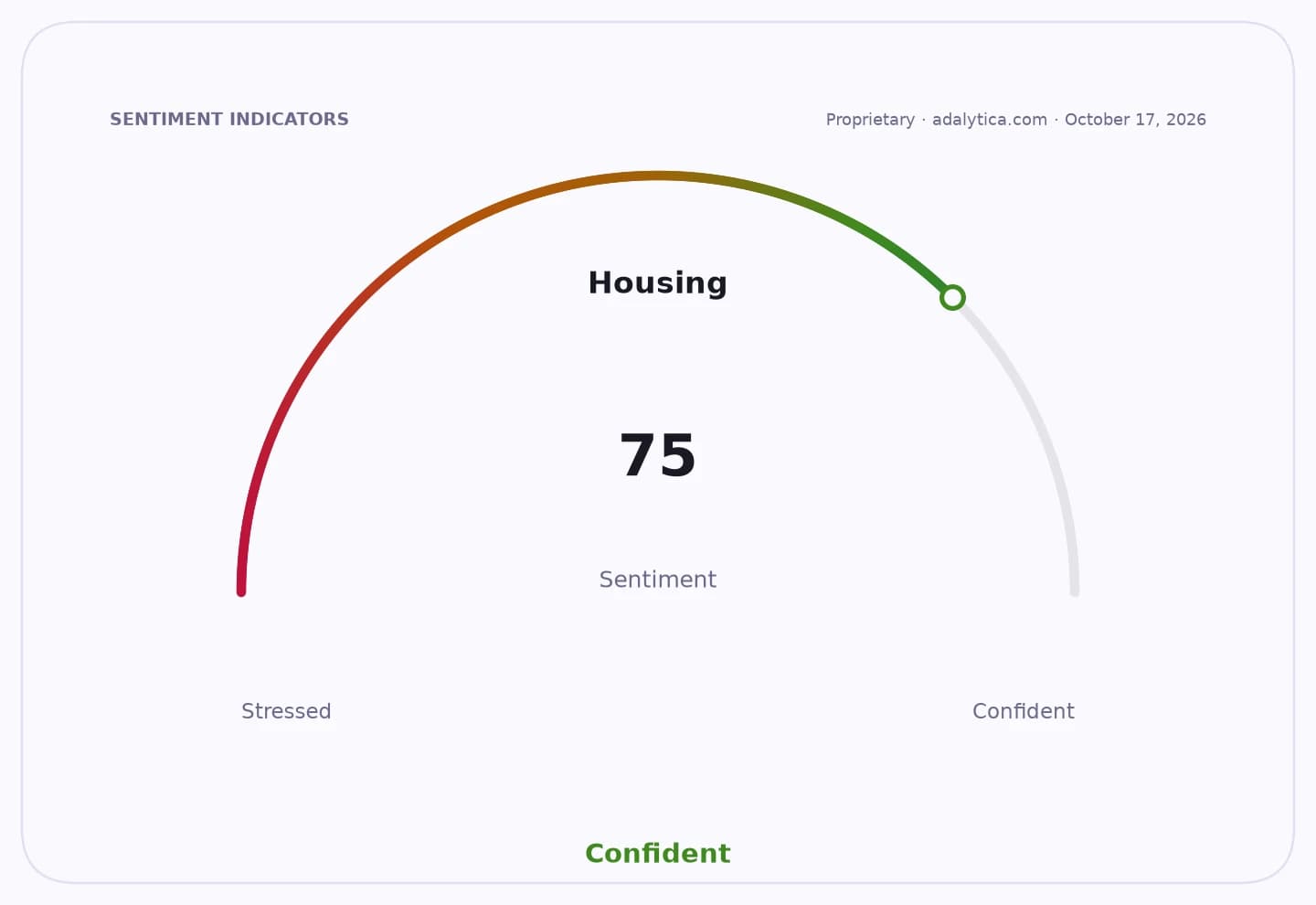
The state’s decision to shoulder the interest on housing loans for eligible beneficiaries is the biggest policy shock in the housing market in months, because it lowers monthly payments, widens access to mortgages and shifts credit risk onto the public sector.
State-backed housing loans boost homebuilders

That matters economically because housing finance is one of the fastest ways to turn a subsidy into real activity: it supports home purchases, lifts demand for building materials and furnishings, and can steady a sector that has been struggling with affordability pressure. The decree law’s six-month rollout gives banks, developers and borrowers a clear timeline, while the cap on repayment at 25 years makes the scheme more predictable for households and lenders.
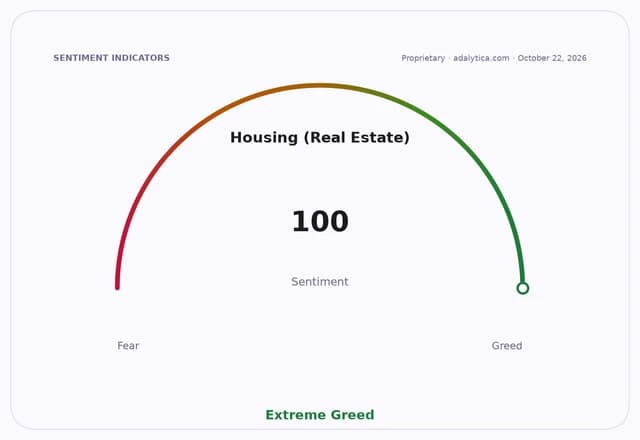
Sentiment IndicatorsⓘProprietary · adalytica.com · October 22, 2026
This is a snapshot — live sentiment, awareness and momentum for 130+ markets update continuously in the dashboard.Open AlphaPulse
The most important clause for investors is the backstop. By obligating “credit” to cover the remaining balance if a beneficiary defaults, the government is effectively socializing part of the credit risk that normally sits with banks or mortgage originators. That can keep the flow of housing loans moving, but it also raises the odds that public finances absorb losses if unemployment, inflation or income stress worsens.
For the market, the immediate implication is not just more demand for homes. It is a potential re-rating of housing-linked assets if the policy is implemented cleanly. Homebuilders, suppliers and mortgage lenders stand to benefit from a steadier transaction pipeline, while the state and the broader credit system take on more exposure. In other words, this is a demand stimulus disguised as social policy.
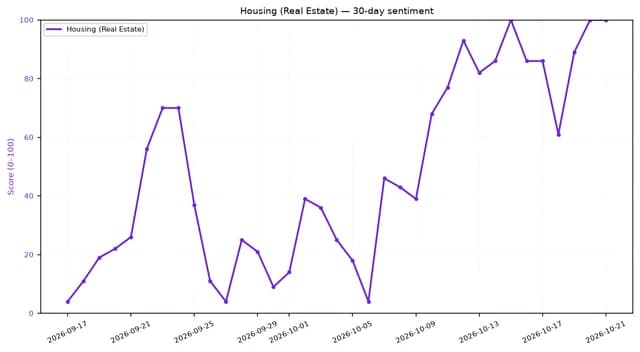
The clearest trading read-through is that housing-sensitive equities could catch a bid if investors start to price in stronger volumes and better affordability. The SPDR Homebuilders ETF, XHB, has already shown strong momentum, while the broader real estate ETF, IYR, has recovered from earlier weakness. That move suggests the market is willing to reward anything that improves the economics of buying a home, even if the policy is still in its early stage.
Broker Rocket Companies, which is tied to mortgage origination and servicing, is another obvious levered name to watch if this policy translates into more loan applications. On the financing side, the bigger question is whether lenders view the state guarantee as enough to offset the risk of repayment strain. If they do, credit could expand; if they do not, the subsidy may boost demand without fully restoring lending appetite.
The macro backdrop makes the policy more powerful. Housing affordability has become a political and economic flashpoint in many markets, and any measure that lowers the cost of entry can unlock pent-up demand quickly. But the long-term winner is not just the borrower. It is the ecosystem around home purchases — builders, suppliers, brokers and mortgage platforms — provided the program is funded reliably and default coverage is enforced.
For investors, the message is simple: a state-backed housing finance model can act like a hidden stimulus for the entire real estate chain. The opportunity is in the second-order beneficiaries, not just the headline subsidy.
| Entity | Gains | Losses |
|---|---|---|
| Eligible homebuyers | ▲Lower monthly payments | ▼Less personal credit burden |
| Banks and lenders | ▲More mortgage volume | ▼More policy-dependent risk |
| Homebuilders and suppliers | ▲Stronger housing demand | ▼Less pricing power if policy fades |
| State/public finances | ▲Social stability, housing access | ▼Default risk and fiscal exposure |