ATER Teramo has begun the process of recovering more than 2 million euros in unpaid rents and charges, a move that could shore up maintenance funding for public housing but also raise pressure on tenants who are already struggling to pay.
ATER Teramo Seeks Recovery of 2 Million Euros
The provincial housing agency said its board has approved a request to the Economy Ministry for permission to collect the debt through the Italian tax-collection system, a step that would turn overdue rents into a more formal and harder-to-avoid liability. For ATER, the issue is not just balance-sheet housekeeping: the arrears are draining resources needed to keep public housing in repair, at a time when maintenance backlogs can quickly become a safety and political issue.
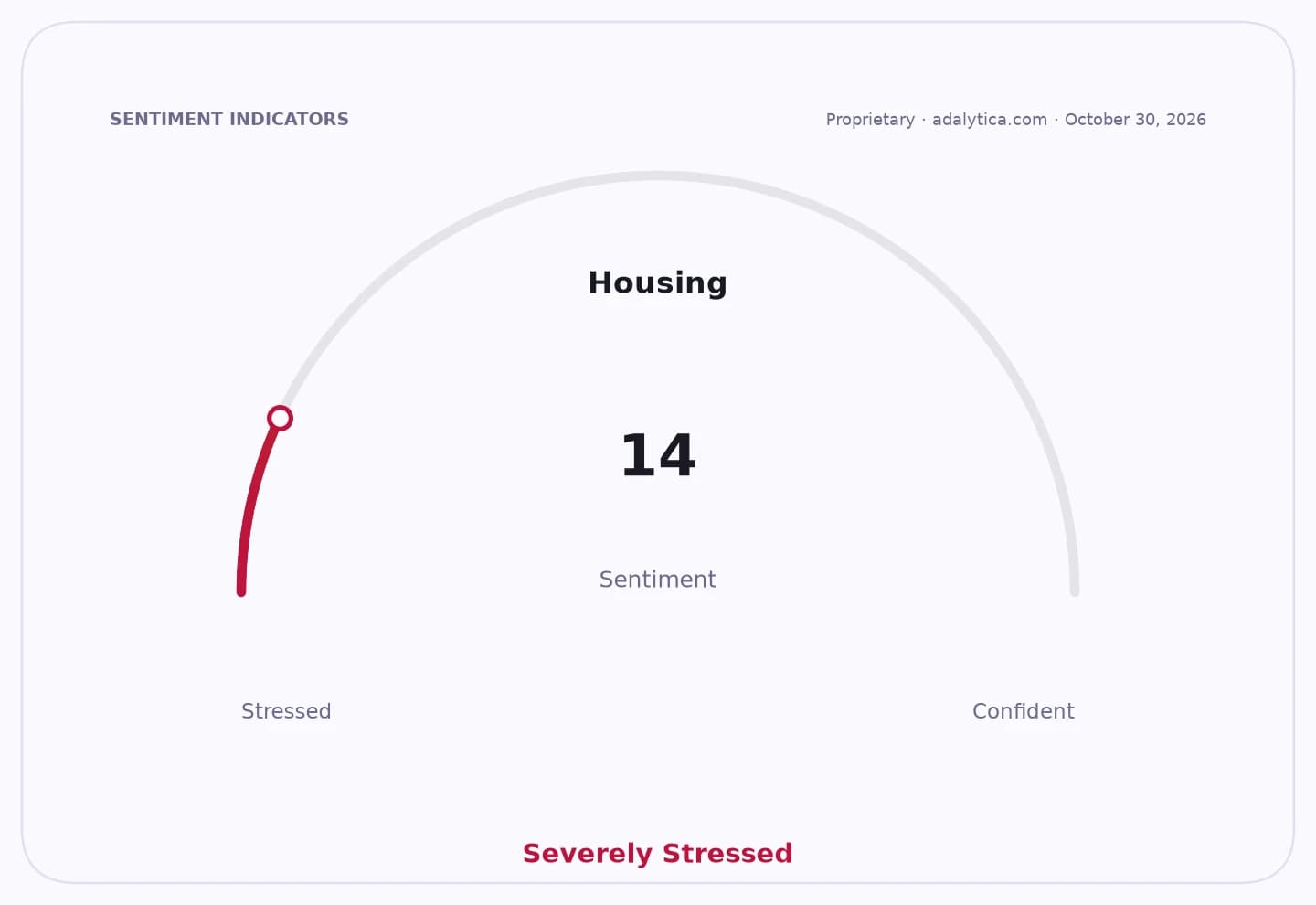
Sentiment Indicators
The agency is trying to distinguish between households in genuine financial distress and those that can pay but have not done so. That distinction matters economically because rent income is one of the few recurring cash flows available to fund upkeep of public housing stock. When payments fall into arrears, operators often defer repairs, which can worsen building conditions, increase long-term costs and, in extreme cases, weaken the quality of social housing provision.
The move also reflects a broader strain in Italy’s housing system, where local public landlords must balance social protection with enforcement. ATER said it wants to avoid punishing families in real hardship, but it also argues that non-paying tenants should not be allowed to erode service quality for those who pay on time. In that sense, the recovery campaign is as much about fairness as finance.
For investors, the story has limited direct market impact, but it is relevant as a read-through on Italian public-sector cash collection, municipal service financing and the persistent pressure on housing maintenance budgets. It also underscores a familiar credit theme: when revenue collection weakens, even public bodies can face a slower deterioration in asset quality and service delivery.
ATER has urged tenants with outstanding debts to settle them voluntarily before the new collection procedure becomes operational. If the ministry grants approval, the agency will have a more forceful enforcement tool, but also fewer chances to negotiate. For tenants, that may mean added costs; for ATER, it could mean better cash recovery and a clearer path to restoring maintenance spending.
| Entity | Gains | Losses |
|---|---|---|
| ATER Teramo | ▲Better cash recovery | ▼Less flexibility in collections |
| Paying tenants | ▲Fairer upkeep of housing | ▼Indirect burden if arrears persist |
| Delinquent tenants | ▲Opportunity to settle voluntarily | ▼Higher enforcement costs |
| Public housing stock | ▲More maintenance funding | ▼Slower repairs if arrears continue |