More owners are asking credit bureaus to screen prospective tenants before signing leases, a sign that renting is becoming a more data-driven business in a market where housing shortages are pushing more households into the rental pool. For investors, that matters because it points to a rental market where landlords are trying harder to protect cash flow and avoid delinquency, while credit-check providers such as Experian gain another steady use case.
Experian tenant credit checks rise with rental demand
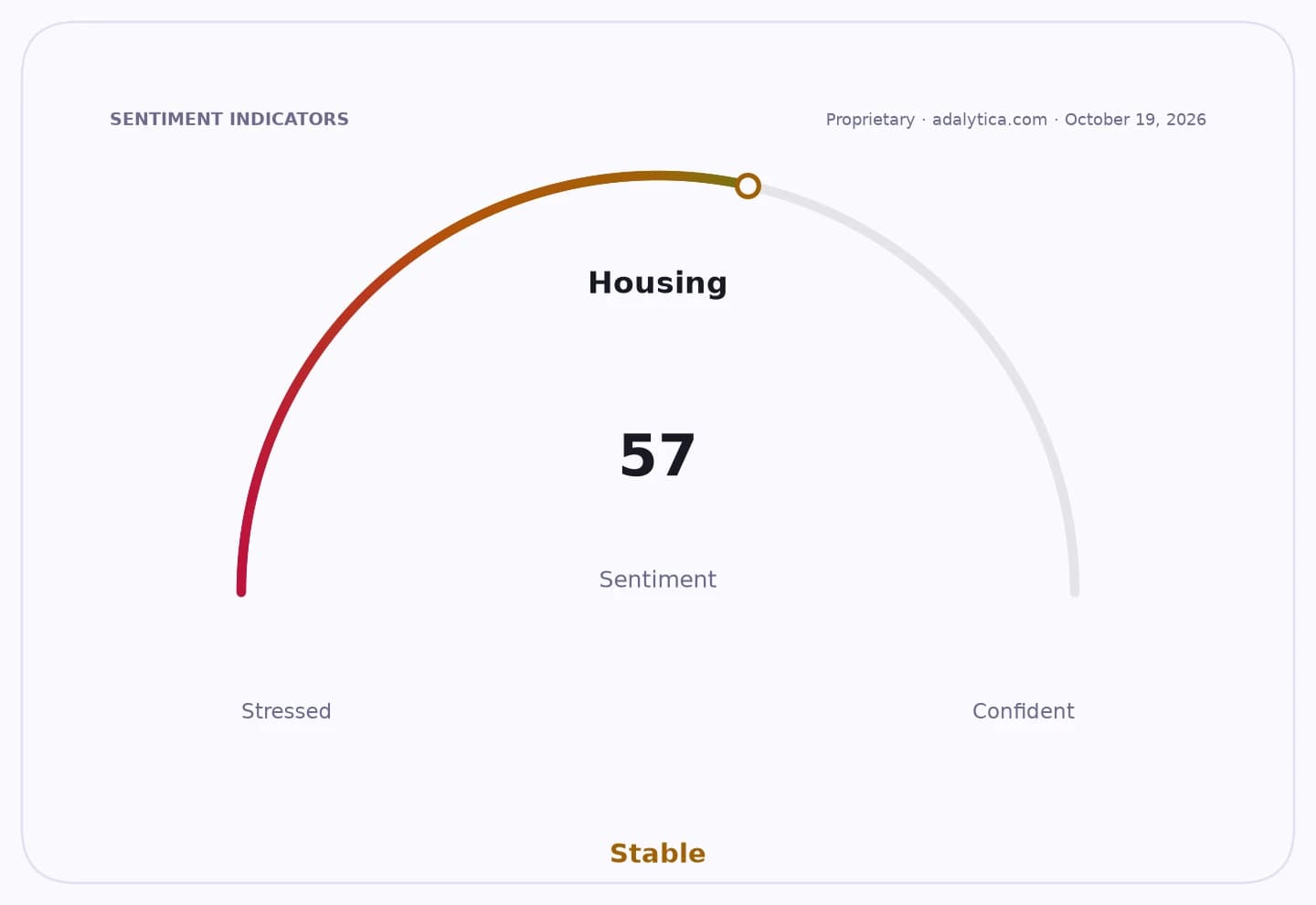
Housing
Experian’s Aldo Saavedra said property owners can review a future tenant’s credit report to gauge payment capacity and credit standing before renting. He estimated that roughly 8,000 of these third-party inquiries are made each month for real estate purposes, and that the volume has risen 12% to 13% from a year earlier. That is not a huge number in absolute terms, but it is a meaningful trend: when landlords get more selective, it usually reflects tighter underwriting, stronger concern about missed payments and a less forgiving environment for renters with shaky finances.
Sentiment Indicators
The economic backdrop helps explain why. A persistent housing deficit is keeping demand for rentals elevated, even as home affordability remains stretched. That pushes more households toward leases, but it also raises the stakes for landlords, who face the hassle and cost of eviction if a tenant stops paying. In that sense, the consultative role of credit bureaus is expanding from borrowers alone to the rental market itself.
For investors, the story cuts two ways. On one side, firms that sell credit data and verification tools can benefit from a broader base of recurring customers, including landlords, real estate agents and small businesses. On the other, the trend underscores that renters are under more scrutiny, which can make it harder for weaker households to secure housing and may add friction to lease-up activity if screening becomes too restrictive.
The housing sector data point in the context also fits the same picture: U.S. housing starts have softened, and apartment and single-family rental landlords have continued to emphasize occupancy and rent collection in their filings. In that environment, tenant screening is less a niche service than part of the operating toolkit for preserving margins.
For long-term investors, the takeaway is straightforward: as housing supply stays tight and landlords lean more heavily on data, credit bureaus and rental-screening tools should remain relevant. It is a reminder that even in a slow-moving industry like housing, the companies that help reduce bad debt and improve underwriting can compound quietly over time.
| Entity | Gains | Losses |
|---|---|---|
| Experian and credit bureaus | ▲More screening demand | ▼Less reliance on informal references |
| Landlords and property owners | ▲Better tenant selection | ▼Higher screening burden |
| Creditworthy renters | ▲Smoother approvals | ▼— |
| Riskier tenants | ▲— | ▼Harder lease access |