Poland is now the European Union’s second-most expensive country for household electricity when measured by purchasing power, and the data point underscores a structural problem for consumers and policymakers alike: the country’s power bills are being pushed up less by the wholesale price of electricity than by taxes, network charges and the costs of keeping an aging grid and coal-heavy system running.
Poland Electricity Costs Rank Second in EU
Geopolitical Risk
Eurostat data for the first half of 2026 put Poland at 41.1 purchasing power standard units per 100 kWh, behind only Romania in the EU ranking. That is politically awkward for a country where nominal power prices are below the bloc average, at 16 euro cents per kWh versus the EU’s 20 cents. The problem is that Polish households face the highest share of taxes and levies in the EU, at 46.9% of the retail price, according to the report.
Sentiment Indicators
That matters economically because electricity is a basic input into household budgets, industrial competitiveness and the pace of the energy transition. High final prices can restrain consumption, add pressure to inflation and weaken the purchasing power of households even when the underlying energy commodity price is not especially high. They also deepen the policy trade-off between decarbonization and affordability, a tension that has become central across Europe as governments try to fund new grids, backup generation and clean-energy investment.
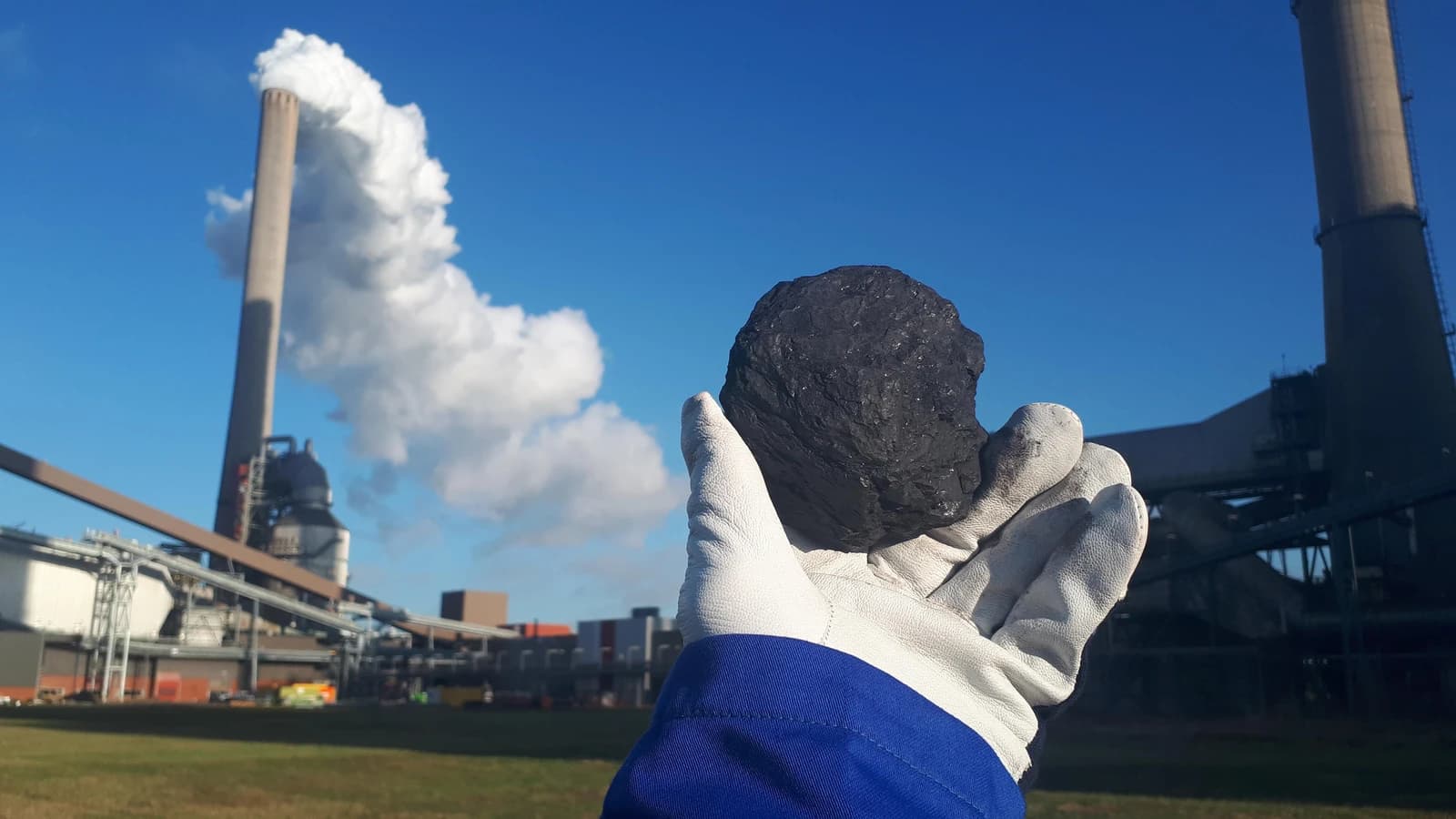
Bartłomiej Orzeł of the think tank Project Tempo said Poland’s costs reflect an incomplete energy transition, including the absence of nuclear power and continued reliance on coal for more than half of generation. He also pointed to the EU emissions trading system, which raises the cost of coal-fired power, as well as state support for coal mining that can obscure the true economics of electricity production. At current carbon prices of around 70-80 euros a ton, he said emissions charges are now the largest component of coal-based generation costs, exceeding the cost of fuel itself.
For investors, the message is that Poland’s power sector remains a slow-burn pricing story rather than a simple fuel-price story. Utilities, grid operators and coal-linked assets face a system in which end-user bills are shaped increasingly by regulation, capex and capacity payments rather than just spot power markets. That can support investment in networks and flexible generation, but it also means returns will depend heavily on how costs are passed through to consumers and how aggressively the government controls tariffs and levies.
The latest increase in household bills, Orzeł noted, came mainly from non-energy items: distribution charges rose about 7.6% and the capacity fee increased by half, lifting average household bills by roughly 3% even as the energy tariff itself edged lower. Looking ahead, the pressure could intensify as Poland spends more on transmission upgrades for nuclear plants, offshore wind and new renewables. Orzeł said Polskie Sieci Elektroenergetyczne’s investment budget could rise from 4.2 billion zlotys in 2026 to more than 12 billion zlotys by 2030, costs that will eventually flow into tariffs.
The bull case for the transition is that higher grid spending today can pave the way for lower-system-cost power later, especially if Poland accelerates away from coal and into nuclear and renewables. The bear case is that consumers will keep paying for a delayed transition through levies, capacity payments and network charges long before they see the benefits of cheaper clean generation. For now, the EU ranking suggests Polish households are still stuck in that middle phase: nominal electricity prices are not the highest in Europe, but the final bill is among the region’s heaviest.
| Entity | Gains | Losses |
|---|---|---|
| Grid operators | ▲Higher tariff revenue | ▼Households |
| State and tax authorities | ▲Levy and VAT intake | ▼Retail consumers |
| Nuclear and renewables investors | ▲Future grid buildout | ▼Coal-heavy generators |
| Coal sector | ▲Near-term support | ▼Long-term cost competitiveness |