The UK’s balancing bill surged past $753 million in October, underscoring how the country’s clean-energy transition is colliding with an overstretched transmission network and keeping power system costs elevated for consumers and utilities.
UK balancing costs surge past $753 million in October

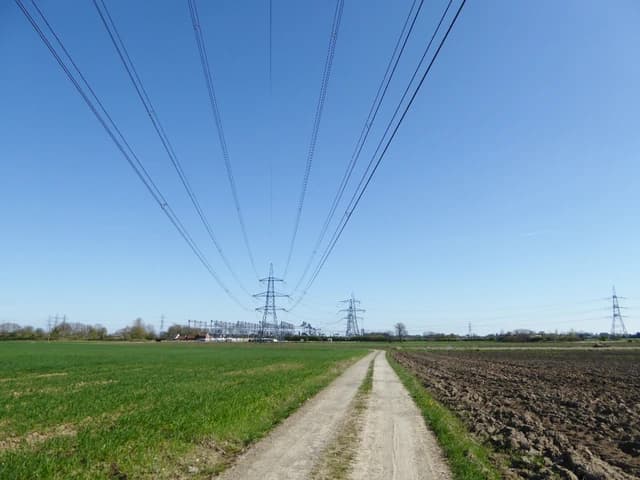
The jump matters because balancing costs are not a one-off accounting line: they are a direct measure of how much the electricity market has to pay to keep the lights on when supply and demand do not match where power is generated and where it is needed. In a system increasingly reliant on wind, those costs rise when turbines produce power far from demand centers and the grid lacks enough wires, interconnectors or storage to move it efficiently.
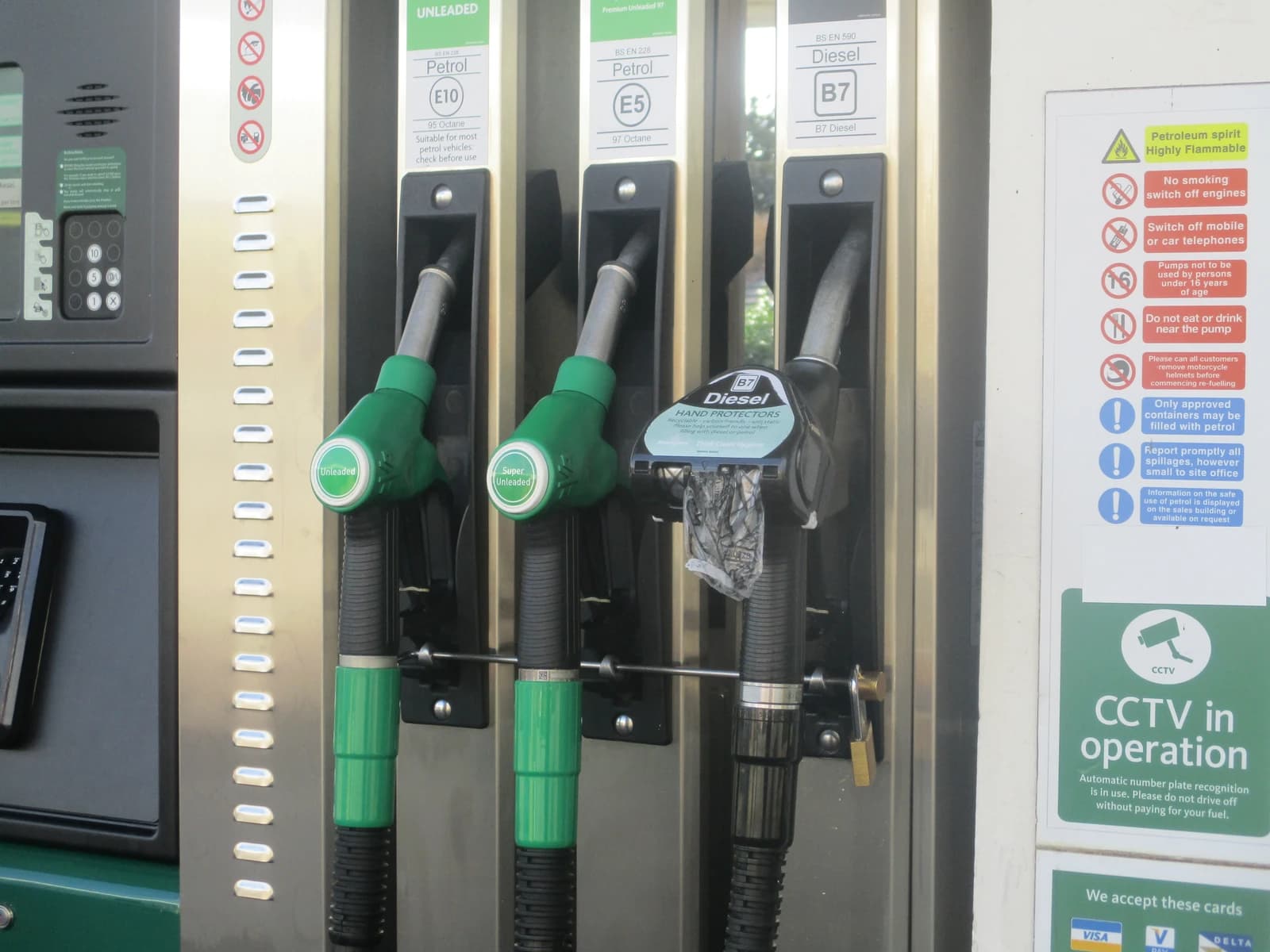
That problem has become more expensive as UK gas prices climbed to their highest levels since the 2022 energy crisis, pushing up the cost of firing gas plants that are often called on when wind output drops or power must be rerouted. Bloomberg reported that the UK spent more than 1 billion pounds in autumn on grid balancing and could face around 4 billion pounds of such costs in 2026, a level that would absorb a meaningful share of electricity market revenues and eventually flow through to bills.
The pressure also highlights a structural weakness in Britain’s energy strategy. Ministers have long argued that scaling renewables would reduce dependence on imported gas. But as Lisa Waters of Waters Wye Associates noted, investment in transmission capacity has lagged the pace of new wind farm connections, leaving the system increasingly forced to pay up to constrain power in one place while paying gas plants or other assets to fill gaps elsewhere.
That is economically important well beyond one month’s bill. Higher balancing costs raise the effective cost of clean electricity, blunt some of the inflation relief policymakers had hoped for from cheaper renewables, and complicate decisions on future grid investment. For regulated network owners such as National Grid, the issue reinforces the urgency of expanding transmission and flexibility infrastructure, even as project timelines and permitting remain slow.
For investors, the story creates a clearer split between beneficiaries and losers. Gas-linked generators can still see more dispatch opportunities when the system needs backup, while grid operators and equipment suppliers gain from the push to expand capacity. But utilities and consumers ultimately bear the cost of a system that is adding renewables faster than it can move their output. If balancing costs remain elevated into winter, they could become a political issue as well as a market one.
The key question now is whether the UK can catch up on wires, storage and interconnection fast enough to prevent balancing expenses from becoming a permanent feature of the energy transition rather than a temporary growing pain.
| Entity | Gains | Losses |
|---|---|---|
| Gas-fired generators | ▲Higher dispatch demand | ▼Lower-margin clean power |
| National Grid / transmission operators | ▲Investment case strengthens | ▼Balancing complexity rises |
| Wind developers | ▲Long-term policy support | ▼Curtailment and constraint risk |
| UK consumers / utilities | ▲None immediate | ▼Higher power-system costs |