Egypt’s drive to connect 16.2 million housing units to natural gas is the most important sign yet that the country is treating energy infrastructure as a long-term economic asset, not just a utility project.
Egypt expands natural gas access to 16.2 million units
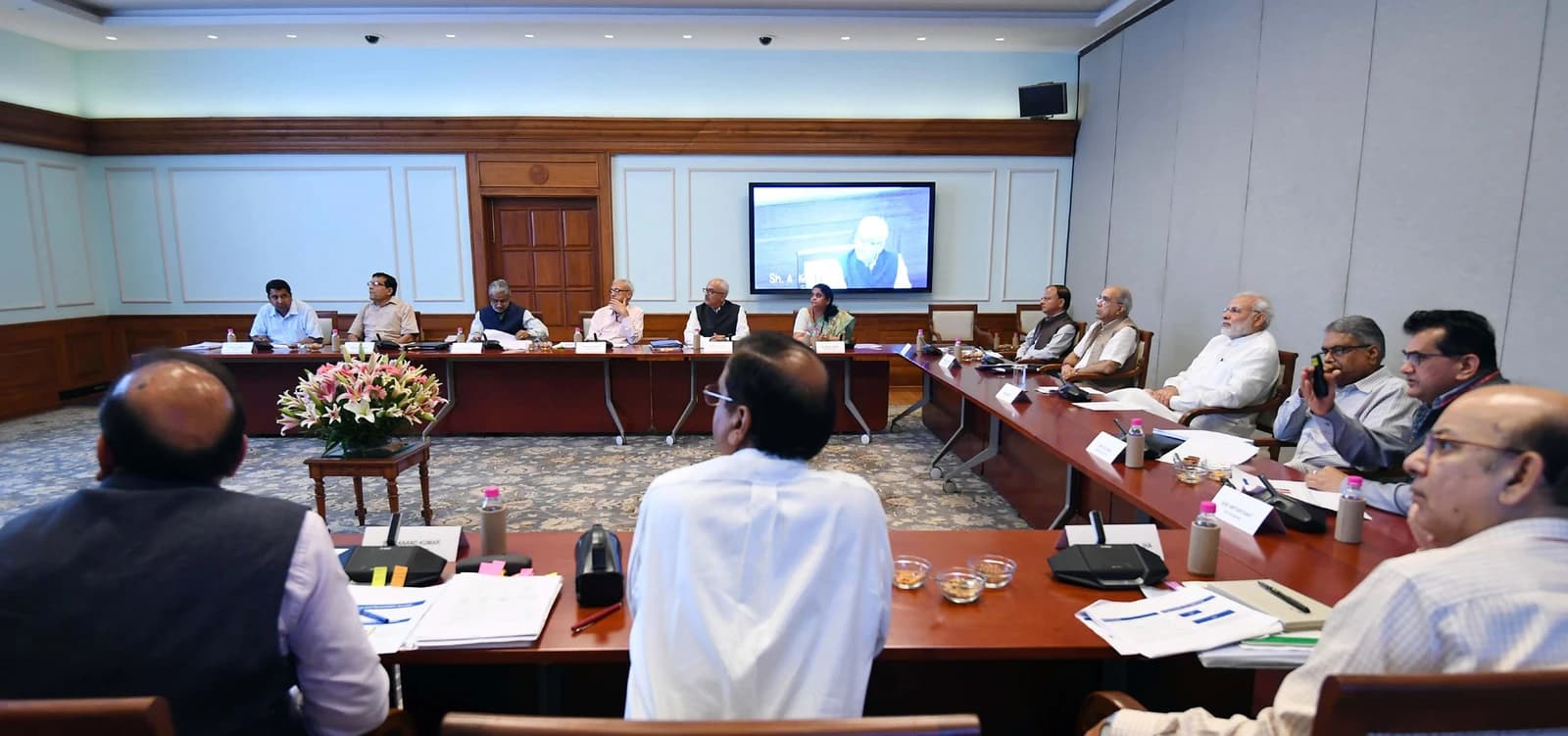
Prime Minister Mustafa Madbouly said Egypt has expanded gas access from 2.2 million units historically to 16.2 million now, while adding about 1,700 kilometers of new transmission lines and aiming to cover future oil and gas needs within three years. For investors, that matters because wider gas access lowers household energy costs, supports industrial activity and reduces the strain of importing more expensive fuels when global energy markets are tight.
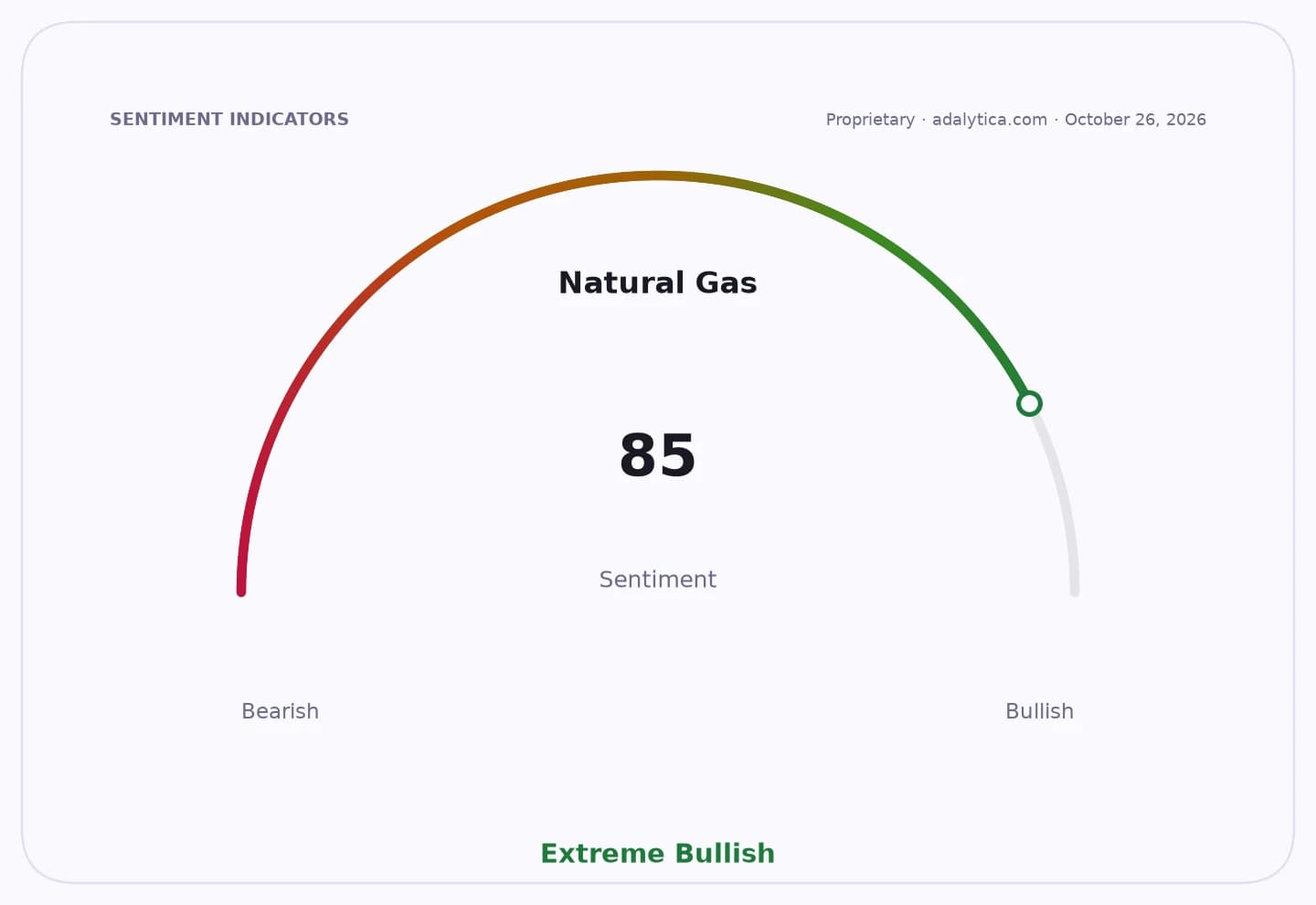
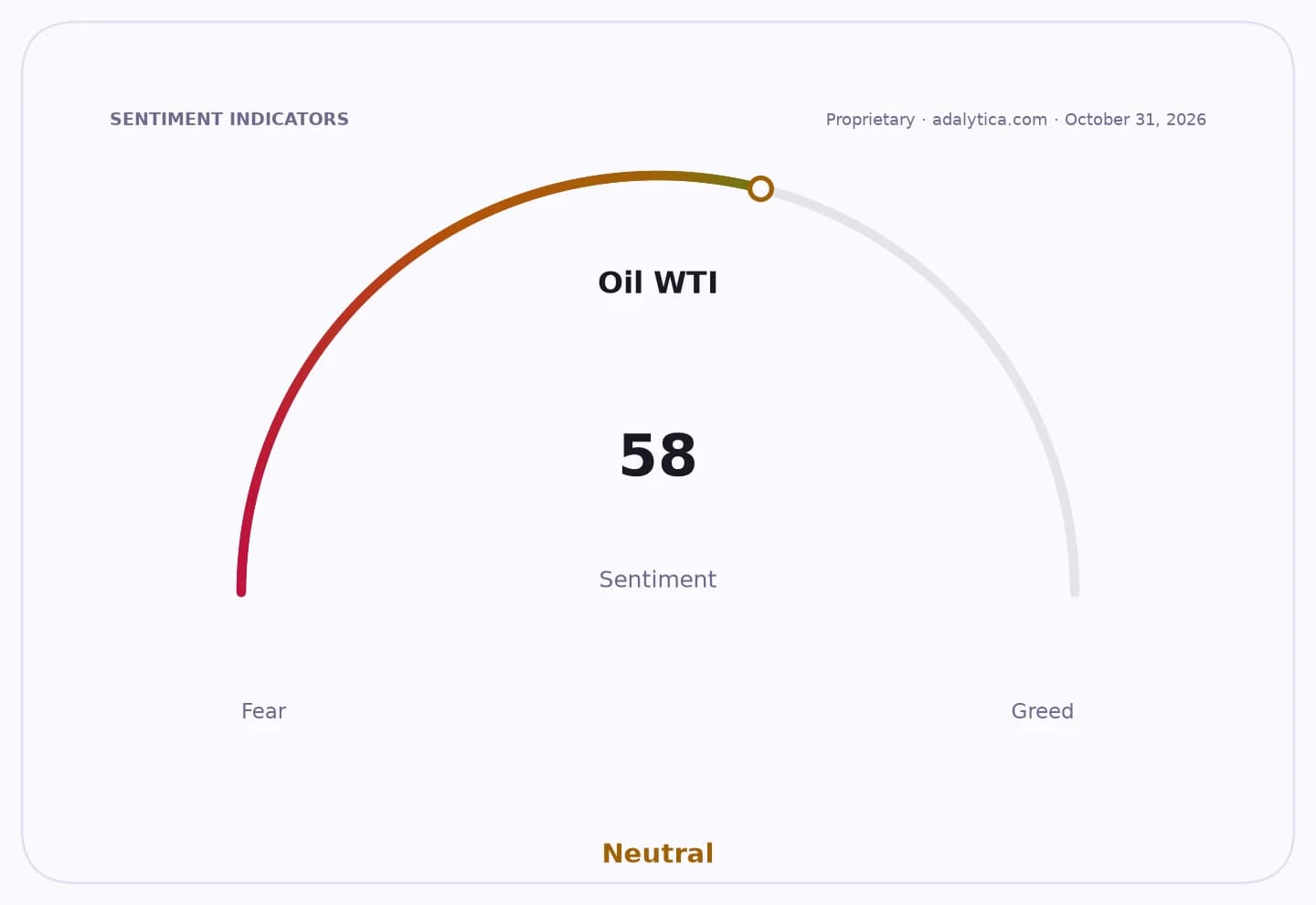
Sentiment Indicators
The message is bigger than domestic convenience. Energy access is a productivity story. When more homes and businesses are connected to a stable gas network, the state can improve fuel efficiency, reduce bottlenecks in distribution and strengthen the case for further investment in power generation, manufacturing and petrochemicals. That is especially relevant at a time when international gas markets remain vulnerable to supply shocks and winter demand swings.
The broader backdrop is also important. Europe’s gas prices have surged to the highest levels since the 2022 crisis, underscoring how quickly supply fears can ripple through global markets. Against that backdrop, Egypt’s emphasis on local infrastructure and upstream projects, including the giant Zohr field, is a reminder that countries with more control over domestic supply enjoy more policy flexibility and less exposure to imported energy volatility.
For investors, the likely winners are the companies and sectors tied to pipeline buildout, gas transport, field development and downstream consumption. Midstream operators, contractors and utilities usually benefit when governments commit to multi-year network expansion. Consumers and manufacturers can also gain from more reliable supply and, over time, potentially lower volatility in energy costs.
Still, the payoff will depend on execution. Building out national gas coverage is capital-intensive and only creates lasting value if new supply keeps pace with demand. But if Egypt can keep expanding its network over the next three years as planned, it would strengthen one of the region’s most important long-term energy narratives: infrastructure first, resilience second, and growth after that.
| Entity | Gains | Losses |
|---|---|---|
| Egypt households | ▲Cheaper, steadier fuel access | ▼Reliance on rollout execution |
| Egyptian state | ▲Higher energy resilience | ▼Heavy infrastructure spending |
| Pipeline and gas firms | ▲More construction and transport demand | ▼Firms tied to old fuel networks |
| Energy importers | ▲Less pressure from imported fuels | ▼Suppliers in tighter gas markets |