Egypt and Chevron have reported positive drilling results at the Narges 2 natural gas well in the Mediterranean, a development that could strengthen the country’s offshore gas outlook at a time when regional energy security and border disputes are sharpening investor attention on the Eastern Mediterranean.
Chevron and Egypt report Narges 2 gas results
Oil WTI
The result matters because new gas finds in the basin can support domestic supply, reduce import pressure and improve the economics of Egypt’s existing LNG and pipeline infrastructure. It also gives Chevron a deeper foothold in a region that has become strategically important as Europe seeks more non-Russian gas and Middle Eastern producers look to lock in export optionality.
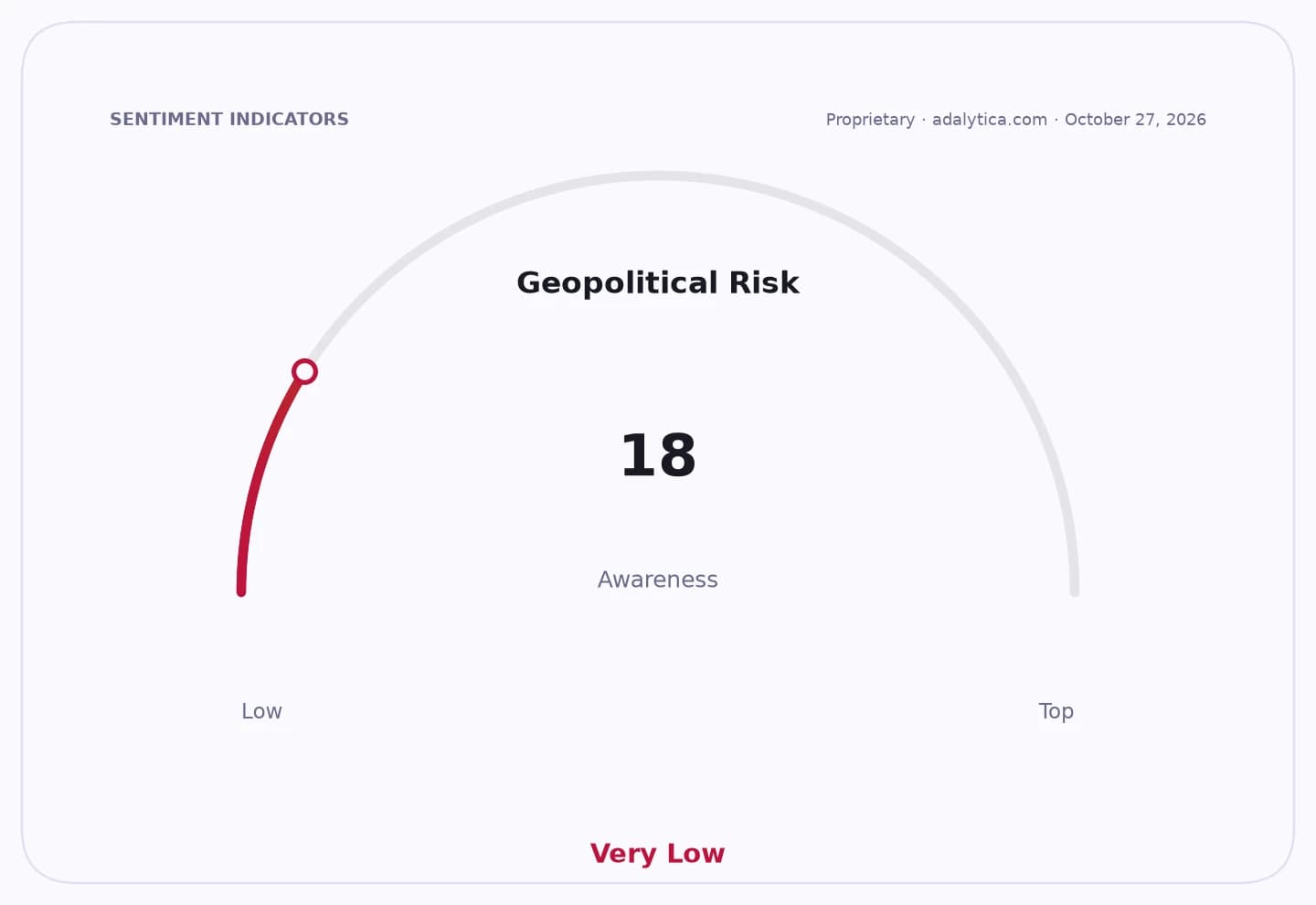
Sentiment Indicators
The announcement comes against a backdrop of renewed friction over maritime boundaries in the Eastern Mediterranean, where competing claims between Greece, Turkey and Libya continue to complicate exploration risk. That geopolitical overlay raises the value of any confirmed progress on the subsurface geology, because discoveries are not just about volumes — they are also about whether companies can eventually commercialize them without delay.
For Chevron, the well adds to a portfolio where investors have rewarded upstream cash generation and measured capital discipline. Chevron shares have been trading near the top of their recent range, and the stock’s technical setup remains constructive, with the price above both the 50-day and 200-day moving averages and relative strength readings still elevated. That suggests the market is willing to pay for resilient production growth and lower execution risk, even as the oil price backdrop stays choppy.
The service providers tied to offshore drilling also stand to benefit. Schlumberger has pointed to a gradual recovery in the Middle East and stronger drilling activity in international deepwater basins, while Halliburton has described customer spending as focused on production optimization and operational efficiency. Positive results from Narges 2 would fit that pattern by reinforcing offshore work across the region, even if the immediate commercial impact depends on appraisal, reservoir size and the pace of development approvals.
Oil prices have been volatile, with recent swings reflecting supply concerns, macro uncertainty and shifting risk appetite. That makes gas finds in established basins more valuable to operators and host governments, because they can support nearer-term monetization than frontier projects. For Egypt, any improvement in domestic gas supply is especially important because it can ease pressure on the balance of payments and support industrial demand, while also helping the government manage import bills and energy subsidies.
The key question now is whether the positive drilling result translates into a commercially meaningful field development. Investors will want to see follow-up appraisal, reserve estimates, infrastructure plans and, just as importantly, clarity on the legal and political environment in the Eastern Mediterranean. If those pieces fall into place, Narges 2 could become more than a drilling success — it could become another asset in a basin where energy economics and geopolitics are increasingly inseparable.
| Entity | Gains | Losses |
|---|---|---|
| Egypt / Ministry of Petroleum | ▲More gas supply potential | ▼Import dependence |
| Chevron | ▲Offshore resource upside | ▼Execution and geopolitic risk |
| Service firms (SLB, HAL) | ▲More drilling activity | ▼Slower project delays |
| Regional rivals in the Eastern Mediterranean | ▲— | ▼Negotiating leverage |