Egypt has added 50.7 thousand barrels of oil and condensate a day and 218 million cubic feet of gas a day in less than four months, underscoring a sharper push to lift domestic output and ease reliance on imported energy.
Egypt Adds 50.7 Thousand Barrels, 218 MCF/D in Output
The gains came from a burst of drilling that saw 150 development and exploration wells drilled between July 1 and Oct. 19, with 106 of them already tied into production, according to a source familiar with the matter. The pace matters because it suggests Egypt is moving faster to convert geological potential into immediate supply at a time when global energy markets remain volatile and domestic fuel balances are under pressure.
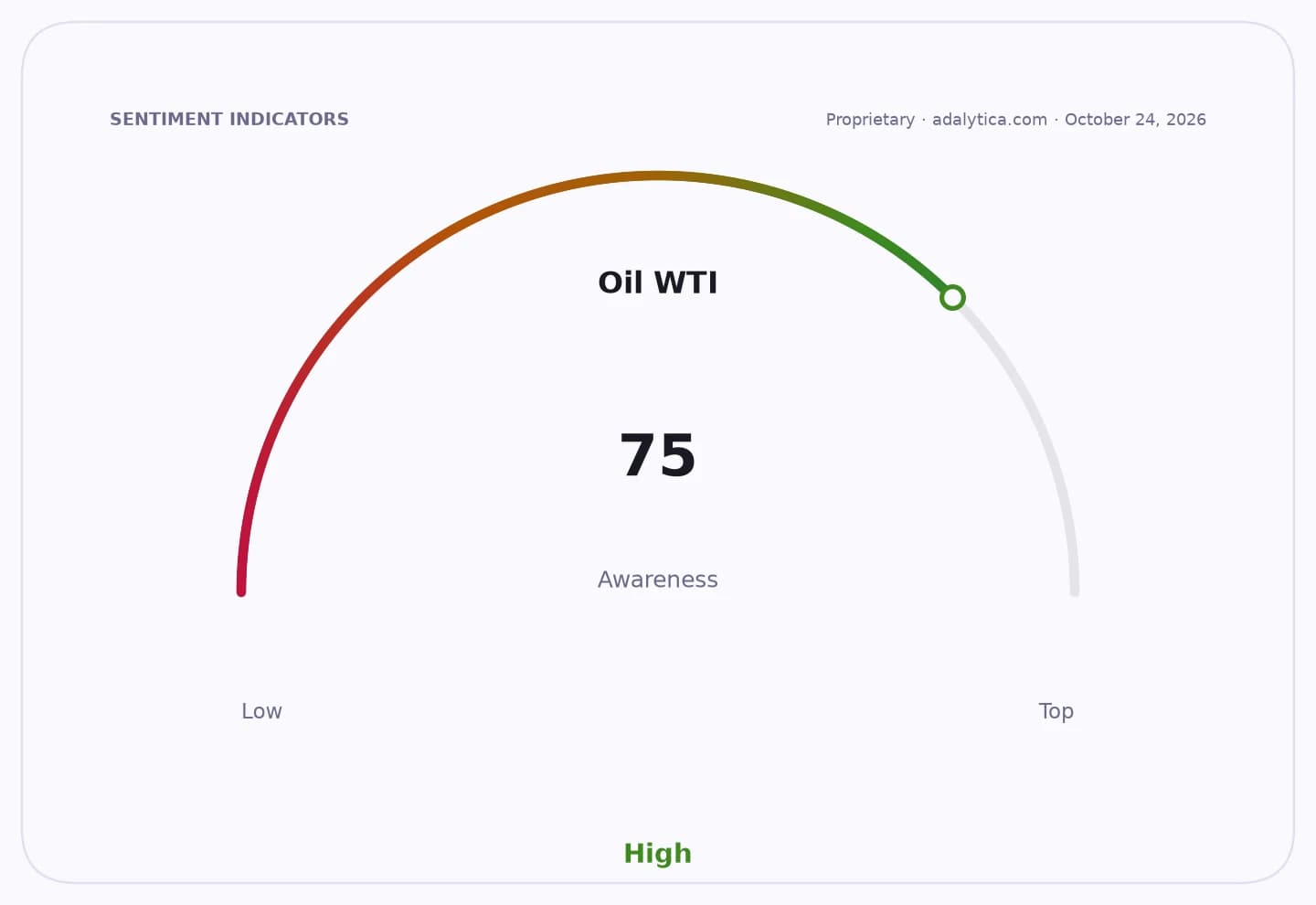
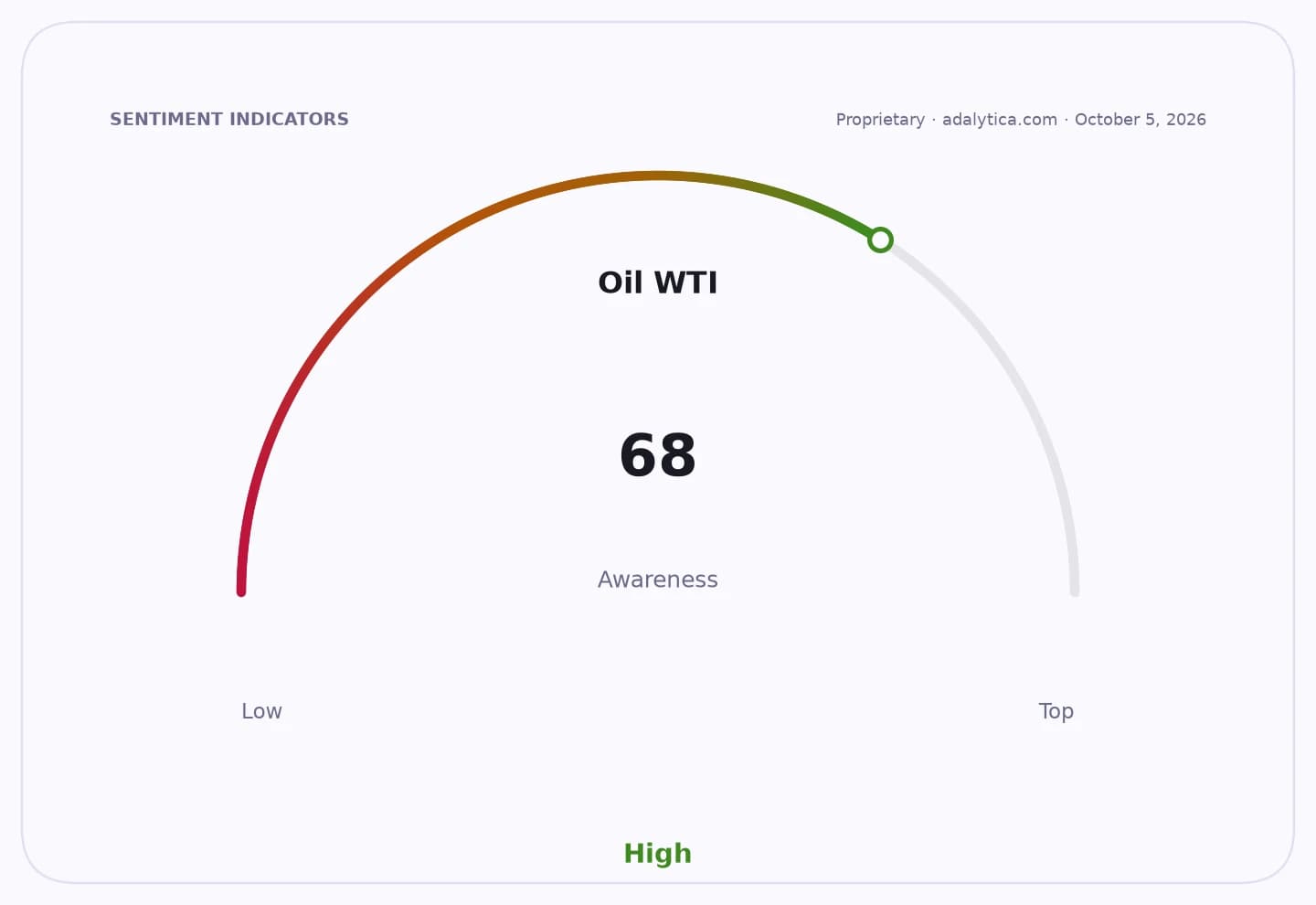
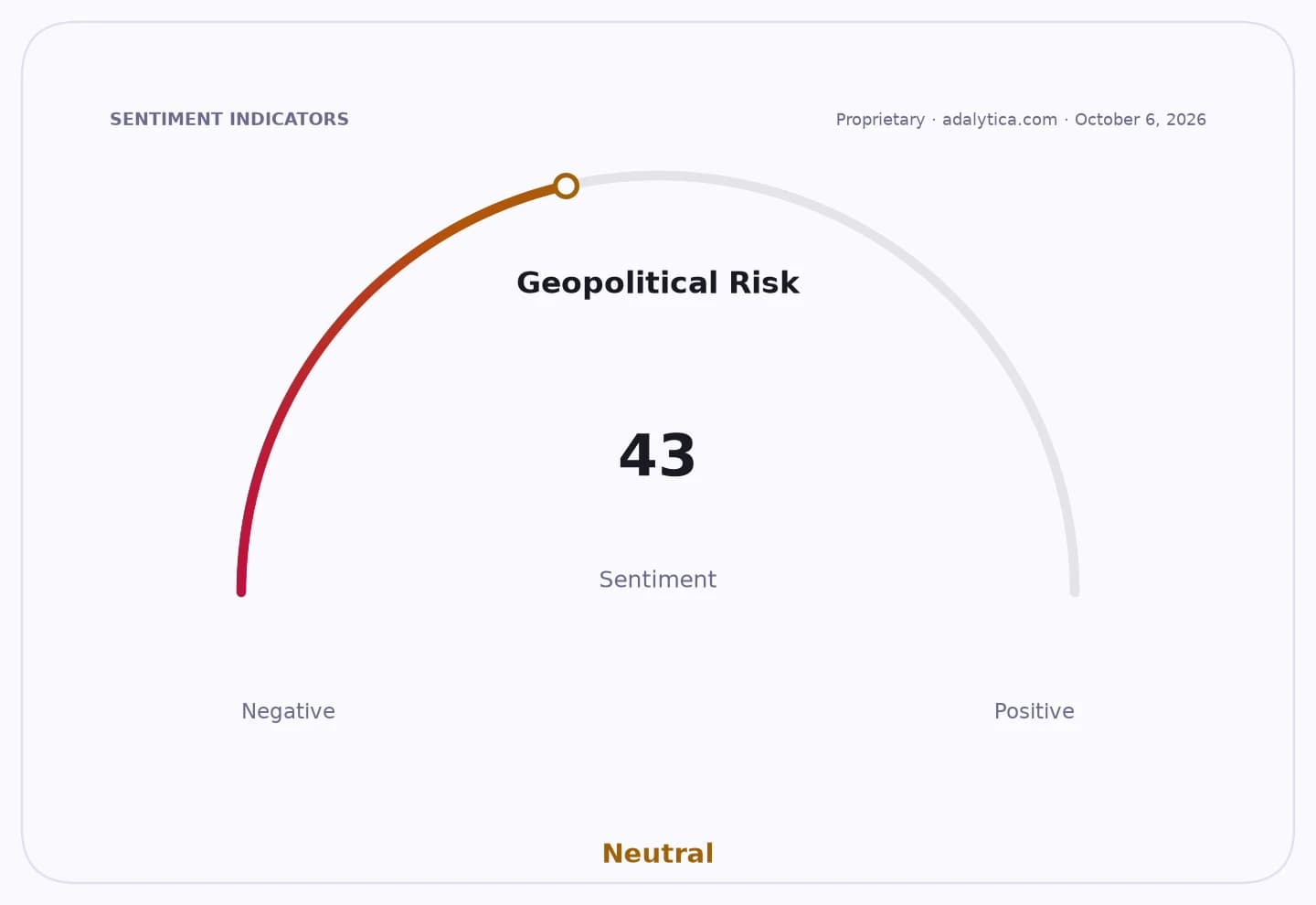
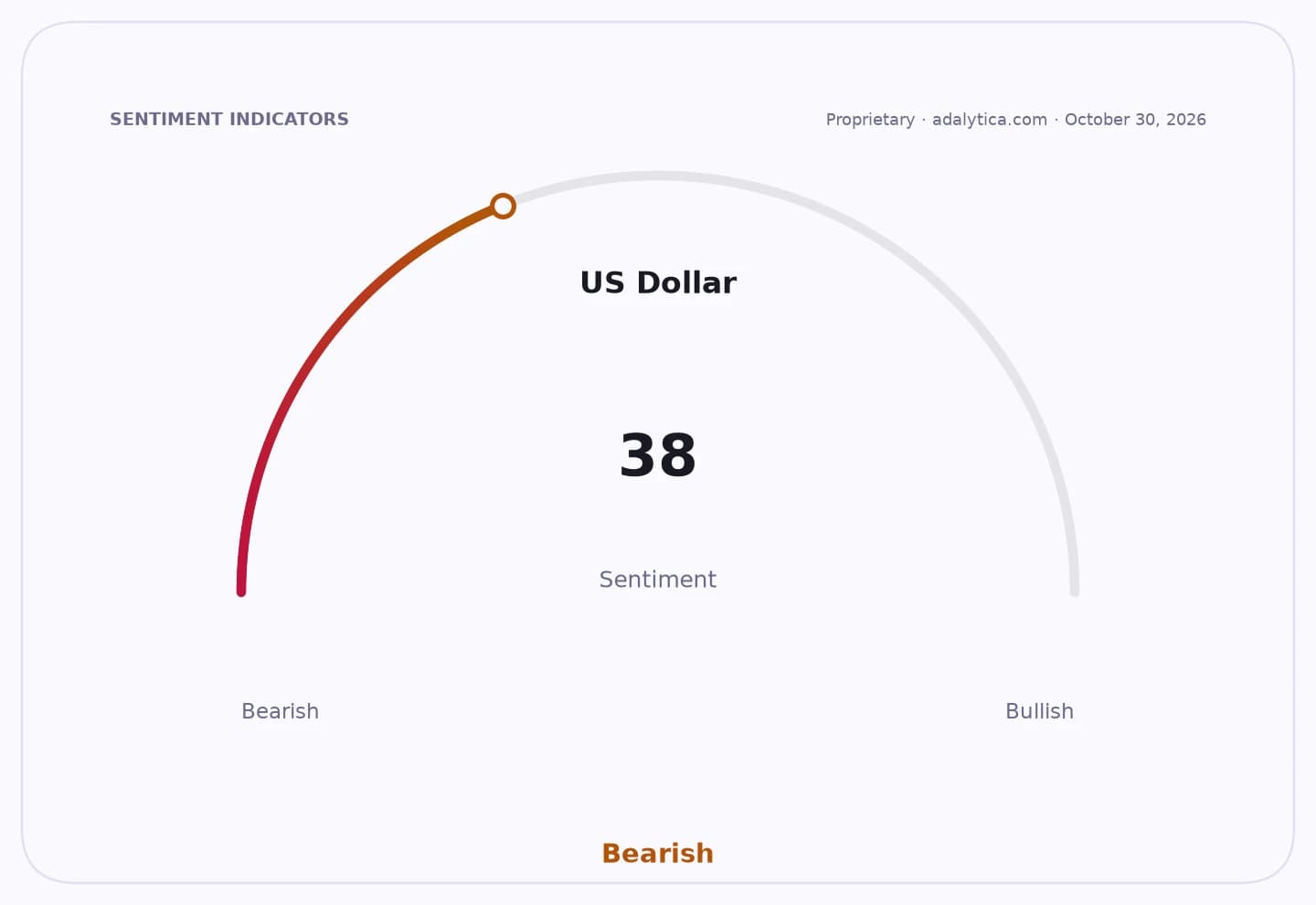
Sentiment Indicators
Natural Gas
The added volumes are not trivial for a country that has been trying to stabilize its hydrocarbons sector after years of underinvestment and intermittent output declines. Oil and gas imports can weigh heavily on foreign-exchange reserves, energy subsidies and the wider current account, so every incremental barrel and cubic foot produced at home reduces pressure on the budget and the balance of payments. The newly brought onstream Bustan discovery alone is contributing about 3,000 barrels of crude and 15 million cubic feet of gas a day through three wells, reinforcing the idea that new finds are translating into production more quickly than in previous cycles.
The investment numbers point to a more sustained campaign rather than a one-off surge. Actual spending on exploration and field development reached about $1.4 billion in the July-to-October period, while approved spending for exploration, development and operations in the current 2026/27 fiscal year stands at $5.9 billion. That scale of capital deployment suggests Egypt is trying to restore confidence among international partners by showing that drilling activity is being matched by funding and execution.
For investors, the story cuts several ways. Oilfield-service providers, drilling contractors and equipment suppliers stand to benefit from a heavier work program, while producers with exposure to Egyptian upstream assets could see improved volumes and cash generation if the wells maintain productivity. The flip side is that the broader thesis still depends on whether new wells can offset natural decline rates and whether the country can keep financing the next wave of drilling without a renewed balance-of-payments strain.
The government’s target of 109 exploratory wells this fiscal year will be the next test of whether this recent acceleration is the start of a durable production rebound or simply a short-term burst. If the pace holds, Egypt could strengthen domestic supply, reduce import needs and improve the economics of its energy sector; if it slows, the recent gains may prove harder to sustain.
| Entity | Gains | Losses |
|---|---|---|
| Egypt’s upstream sector | ▲Higher domestic output | ▼Import dependence |
| Drilling contractors | ▲More well activity | ▼Idle rig capacity |
| Oilfield service firms | ▲Stronger contract flow | ▼Weak spending cycles |
| Energy import bill | ▲Lower pressure | ▼Foreign-exchange demand |