Egypt’s central bank is sticking with a flexible exchange-rate regime as Governor Hassan Abdalla argues the pound should be allowed to move with supply and demand, even after the dollar pushed back above 55 Egyptian pounds.
Egypt Central Bank Keeps Flexible Pound Regime
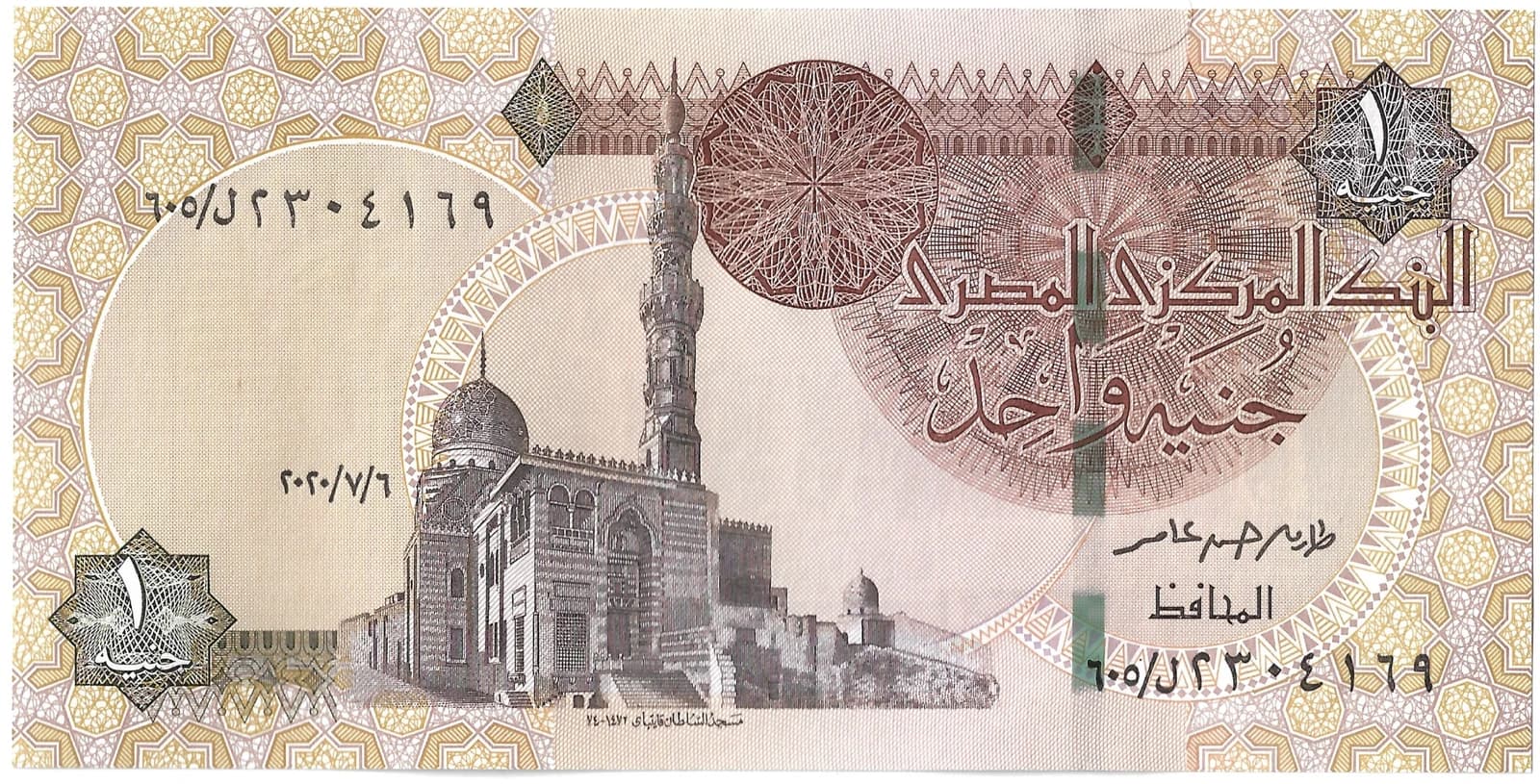
US Dollar
The message matters because Egypt’s ability to keep inflation falling, attract capital and refinance external debt now depends less on defending a fixed level and more on whether hard-currency inflows keep improving. Abdalla framed the float as the economy’s first line of defense, saying the central bank can no longer be the sole source of foreign currency stability.
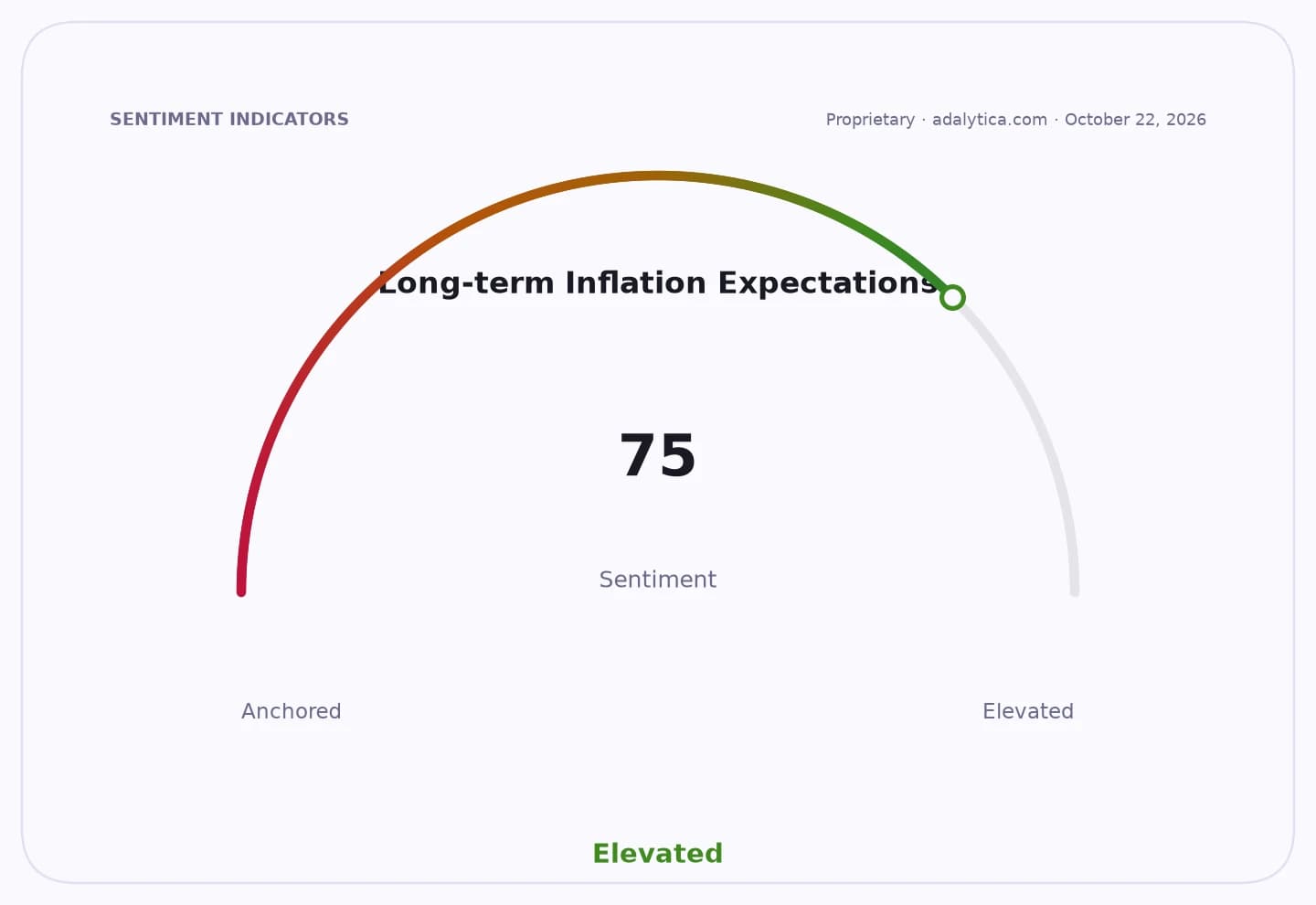
Sentiment Indicators
He pointed to a sharp repair in the external accounts to support that case. Foreign reserves have risen to about $57 billion from $33 billion, remittances from Egyptians abroad have climbed to $27 billion from $22 billion, and the banking sector’s net foreign assets have swung to a $30 billion surplus from a $30 billion deficit, according to figures he presented at the Egypt 2026 forum.
The turnaround has also eased pressure on prices and the currency market. Inflation has fallen to about 13% from near 38%, while average interbank dollar turnover has returned to roughly $500 million a day and can reach $2 billion on some sessions, suggesting banks are again able to meet client demand without the distortions that once fed a parallel market.
For investors, the shift is a signal that Cairo is prioritizing a more market-based currency regime over short-term exchange-rate stability. That should help improve price discovery, reduce arrears to importers and support access to external financing, with Abdalla saying Egypt’s sovereign risk premium has dropped to about 3% from 25% at previous peaks.
Still, the pound remains vulnerable to swings in exports, tourism, Suez Canal receipts and broader geopolitical shocks, especially as Red Sea disruptions have weighed on canal income. The next test for markets is whether foreign-currency inflows can keep pace with import demand and debt service without forcing the central bank back into ad hoc support.
| Entity | Gains | Losses |
|---|---|---|
| Egypt’s central bank | ▲More credible policy framework | ▼Pressure to defend a fixed rate |
| Egyptian banks | ▲Higher FX turnover, cleaner pricing | ▼Scarcity-driven spreads |
| Importers and businesses | ▲Better access to dollars | ▼Parallel-market distortions |
| Pound bears / short sellers | ▲Less one-way policy support | ▼Harder to bet on a forced devaluation |