Egypt’s government is preparing to launch a new national economic transformation program by the end of December 2026, a policy push aimed at raising productivity, improving competitiveness and expanding the private sector’s role in the economy.
Egypt plans 2027-2030 economic transformation program

Deputy Prime Minister for economic affairs Hussein Aissa said the 2027-2030 program is designed to build a more productive and sustainable growth model, with a sharper focus on output, operating efficiency and better-quality goods and services at lower cost. That matters because Egypt is trying to move beyond a model dependent on state-led investment and repeated support measures toward one that can generate durable growth, jobs and higher living standards.
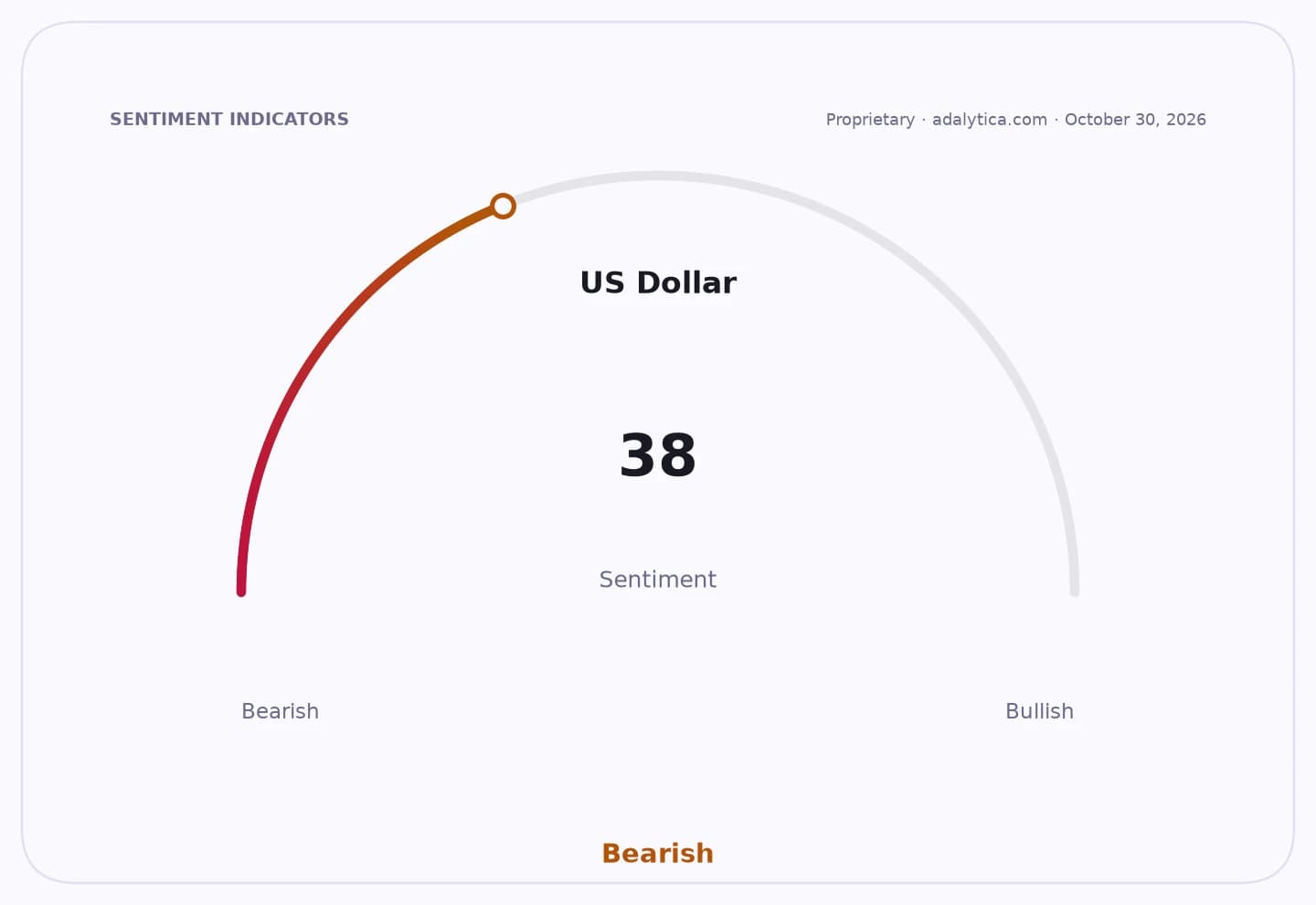
Sentiment Indicators
The program is also intended to turn recent reform efforts into a more coherent second phase. Aissa said the government wants to strengthen production and employment, improve the quality of services and make fuller use of state-owned assets. The plan sits alongside a second version of the state ownership policy document for 2026-2030, a reshuffling of holding companies in the public business sector and continued restructuring of economic authorities and the state bureaucracy.
For investors, the most important implication is that Cairo is signaling a broader effort to widen space for private capital and improve the state’s balance between ownership, regulation and execution. That could support sectors tied to privatization, asset management, logistics, manufacturing and consumer services if policy is implemented credibly. It could also improve medium-term macro stability by lifting productivity rather than relying mainly on consumption or external financing.
The government is also preparing to introduce performance-based budgeting in fiscal 2027-2028, a change that would tie spending more closely to targets and results. In principle, that can improve public-sector efficiency and reduce waste, especially in an economy where the state still plays an outsized role. In practice, the payoff will depend on whether ministries and agencies can actually measure outcomes and enforce accountability.
Aissa framed the initiative as part of a broader effort to raise living standards, citing existing social programs and infrastructure investment as foundations for the next phase. That linkage is politically important: Egyptian policymakers are trying to pair reform with social protection to reduce the risk that tighter discipline, asset sales or public-sector retrenchment trigger public resistance.
The timing is notable. Egypt has shown resilience through regional and global shocks, but growth has remained vulnerable to external financing conditions and uneven domestic demand. A more productive private sector would help broaden the growth base and reduce pressure on the state. The bull case is that the reform package finally gives investors a clearer road map for state retreat and private-sector expansion. The bear case is that previous structural programs have often been announced with ambition and delivered unevenly.
Markets will be watching whether the government follows the announcement with concrete steps: which assets may be managed differently, which sectors will be opened further to private participation, and how quickly the new budgeting framework is rolled out. Until then, the program is best read as an important policy signal rather than a completed reform.
| Entity | Gains | Losses |
|---|---|---|
| Private-sector firms | ▲More room to expand | ▼State dominance |
| Egyptian government | ▲Higher productivity, credibility | ▼Short-term implementation risk |
| State-owned enterprises | ▲Potential restructuring gains | ▼Protection from reform |
| Consumers and workers | ▲Better services, more jobs | ▼Adjustment costs if reforms stall |