Egypt is trying to slam the door on speculation that the Suez Canal could be used as collateral, sold or leased, a message that matters because the canal is one of the country’s most important hard-currency earners and a chokepoint for global trade.
Egypt Denies Suez Canal Sale, Lease or Mortgage
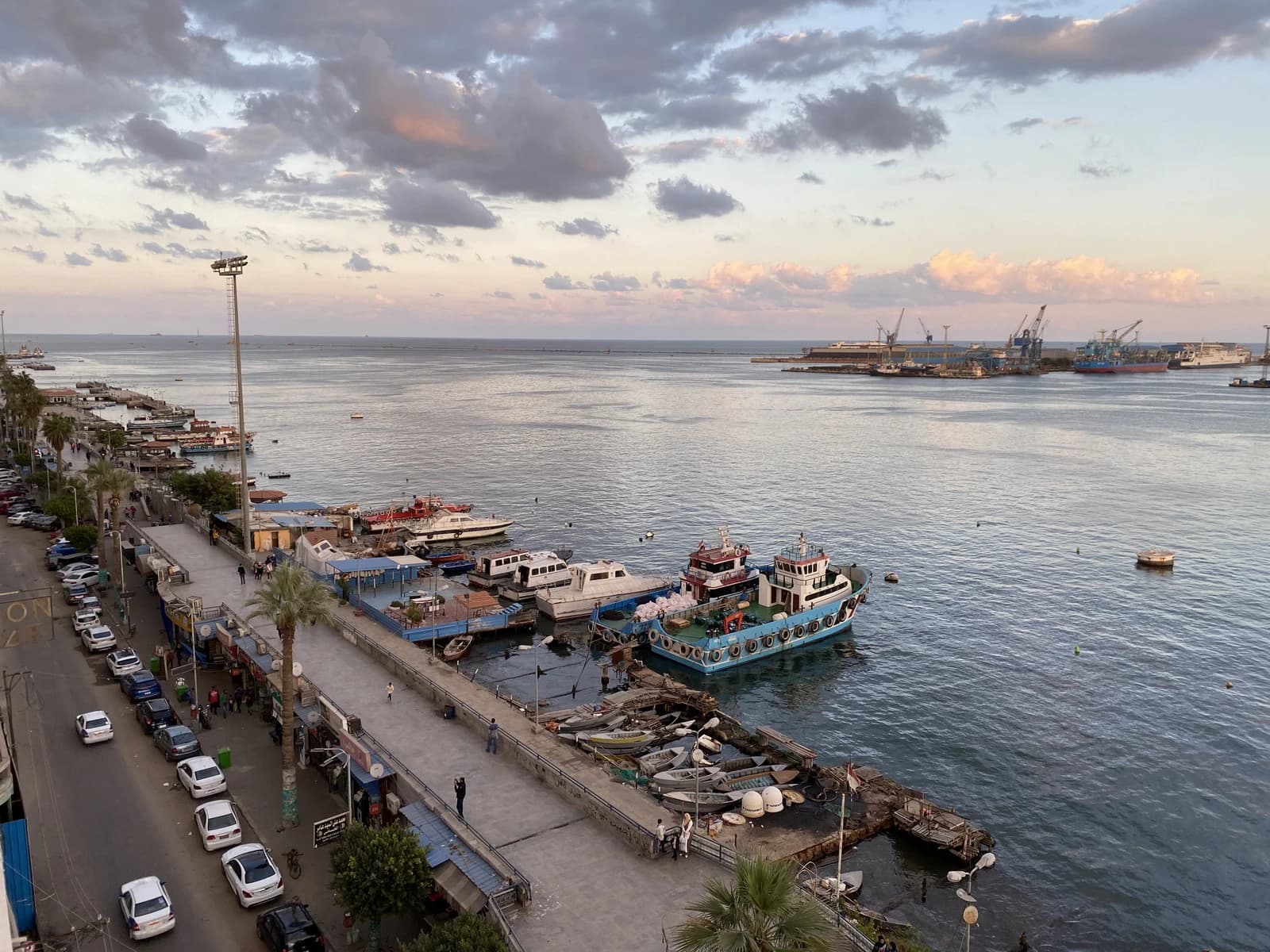
Suez Canal Authority chairman Lt. Gen. Osama Rabie said there is “no sale, no lease and no mortgage” of the waterway, a statement aimed squarely at calming domestic political debate and reassuring investors that Cairo will not tamper with control of a strategic asset to ease debt pressure.
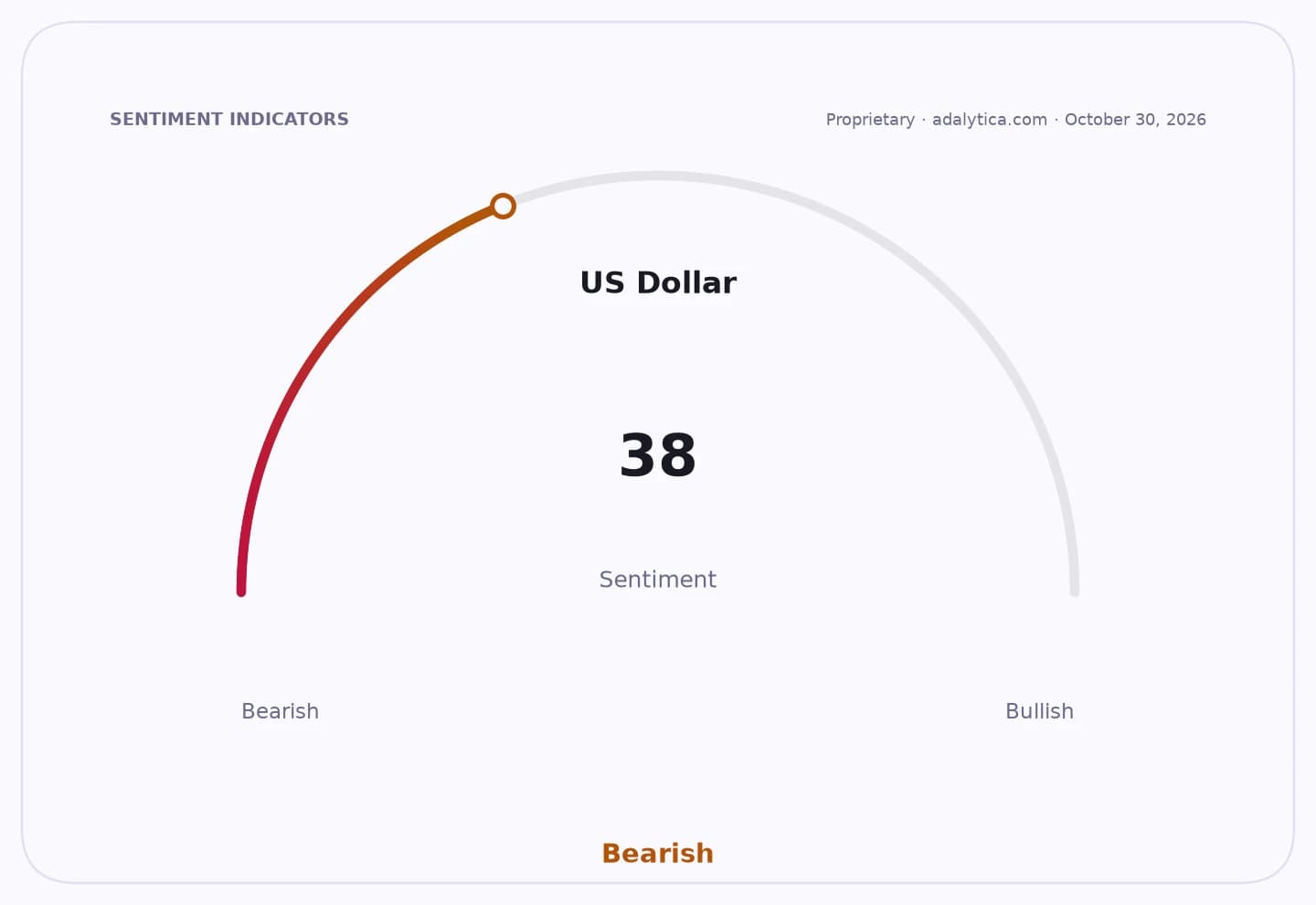
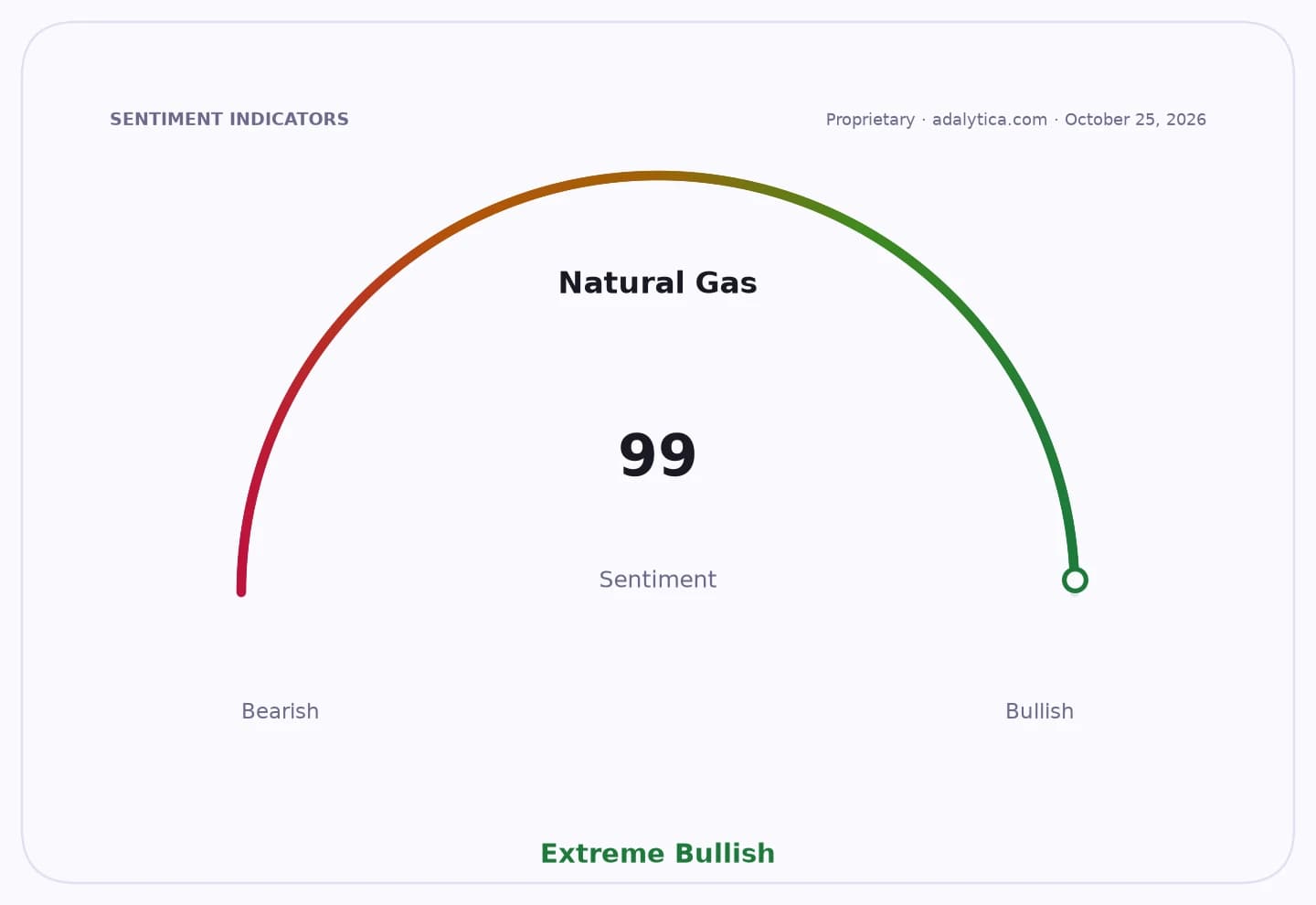
Sentiment Indicators
That matters economically because the canal is not just symbolism — it is a revenue engine tied to Egypt’s foreign-exchange liquidity and fiscal stability. Any credible suggestion that ownership or control could be changed would raise questions about sovereign financing, asset pledging and the policy response to Egypt’s debt burden. By closing the door publicly, Rabie is signaling that the state will rely on operations, upgrades and traffic recovery rather than monetizing the canal itself.
The authority is trying to reinforce that narrative with investment and modernization. Rabie oversaw the launch of two new 90-ton tugboats, the delivery of the first “Bahr” excursion boat, and final trials for two export tugboats being prepared for Italy’s NERI. Those additions point to a broader push to build marine-industrial capability around the canal, expand services and support tourism and logistics revenue without compromising ownership.
For investors, the takeaway is twofold. First, the canal remains a strategic state asset, which reduces the odds of a politically sensitive privatization-style transaction that could unsettle sovereign-bond holders and regional investors. Second, the operational upgrades suggest Egypt is trying to defend canal earnings through productivity rather than balance-sheet engineering. That is important at a time when traffic has been vulnerable to regional tensions and when any recovery in transits can feed directly into Egypt’s external accounts.
The market implication is that the canal story is still about resilience, not divestment. If traffic normalizes further and the authority keeps investing in fleets, dredging and service capacity, the canal can remain a stabilizing pillar for Egypt’s dollar inflows. For now, the clearest investable message is that the state is defending control of a critical asset while trying to grow the cash flow it produces.
| Entity | Gains | Losses |
|---|---|---|
| Egyptian government | ▲Preserves control of a strategic asset | ▼Loses room for quick asset monetization |
| Suez Canal Authority | ▲Reassures markets on ownership | ▼Faces pressure to deliver revenue growth |
| Egypt’s bondholders | ▲Lower governance/political risk | ▼No balance-sheet relief from asset sale |
| Speculators on privatization | ▲None | ▼Fades on sale/lease narrative |