Egypt is tightening control over external borrowing requests and aiming to put foreign debt on a downward path, a move that matters because the country’s financing strategy is now as important to investors as its growth plan.
Egypt tightens rules on external borrowing
The Planning Minister said the state is reviewing borrowing requests “with controls” and will only approve external loans after checking repayment capacity and the supporting studies behind each deal. That is a meaningful signal for Egypt, where foreign-currency financing has long helped bridge funding gaps but also left the economy exposed to debt-service pressure and exchange-rate stress.
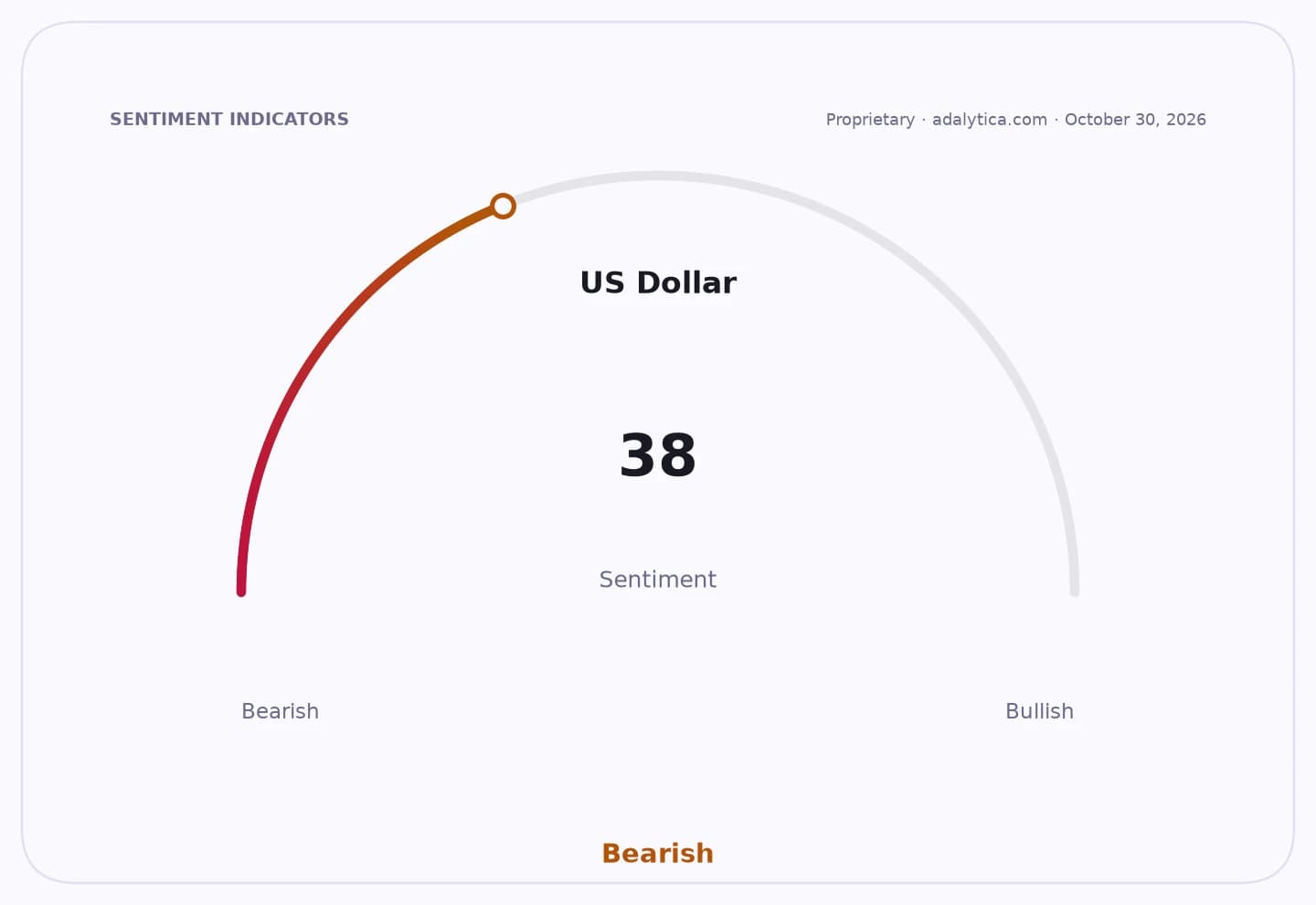
Sentiment Indicators
For investors, the key point is not just that Egypt still needs financing, but that officials are trying to make debt more sustainable by ensuring repayments exceed new borrowing. If that strategy holds, it could gradually ease pressure on the budget, support the currency, and improve confidence in sovereign credit quality. The minister also said Egypt has received positive assessments from three international credit rating agencies, reinforcing the view that policy discipline is starting to matter again in the sovereign story.
The economic logic is straightforward: countries cannot borrow their way to lasting stability. Egypt wants its debt path to turn lower by expanding hard-currency earnings from industry, tourism and technology, deepening local supply chains, and reducing import dependence. That would help the country rely less on external funding and more on internal cash generation, which is exactly the kind of shift lenders and long-term investors want to see.
There is also a market angle here. Any effort to restrain foreign borrowing, cut dollar spending and favor cheaper financing structures should help reduce refinancing risk over time. That matters for Egyptian bonds, the pound and for the companies that depend on a more stable macro backdrop. It also fits a broader pattern seen in other debt-heavy economies: once the cost of capital rises, governments are forced to become more selective, and that discipline can ultimately improve valuations.
Still, the real test will be execution. Egypt has said before that it wants debt on a sustainable footing, but investors will want to see whether repayment volumes really begin to outpace new borrowing, and whether growth in exports, tourism receipts and foreign direct investment is strong enough to support that plan. The longer-term opportunity is clear: if Cairo can reduce its reliance on debt-funded growth, it should become a more attractive destination for capital. For now, it is a story worth watching closely.
| Entity | Gains | Losses |
|---|---|---|
| Egypt government | ▲Lower refinancing risk | ▼Easier access to quick funding |
| Bond investors | ▲Better debt sustainability | ▼Higher borrowing discipline |
| Credit rating agencies | ▲Policy credibility supported | ▼Less room for complacency |
| Dollar borrowers | ▲More selective financing | ▼Faster approval of new loans |