Egypt’s finance minister said the government aims to cut the debt-to-GDP ratio to about 70% within three years, a goal that would signal a further easing in sovereign risk if growth, primary surpluses and lower financing costs hold up.
Egypt Targets 70% Debt-to-GDP Ratio in Three Years

The target matters because Egypt’s debt burden has been one of the main constraints on fiscal flexibility and investor confidence. Bringing the ratio down would help reduce the state’s vulnerability to higher global rates, weaken the drag from debt-service costs and create more room for spending on growth-supporting priorities. For bondholders, it would also strengthen the case that Cairo can keep narrowing funding gaps without relying as heavily on short-term or expensive borrowing.
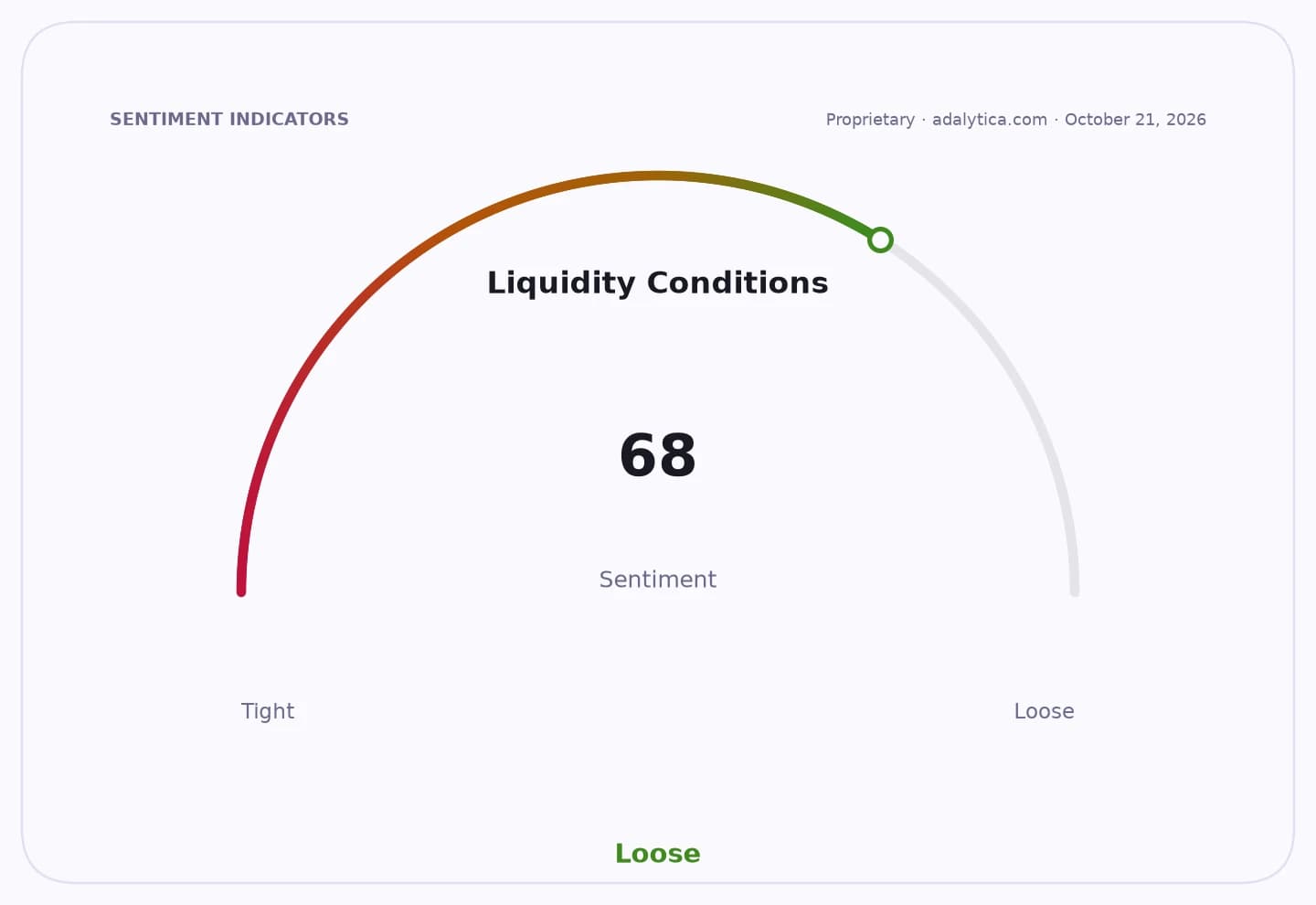
Sentiment IndicatorsⓘProprietary · adalytica.com · October 15, 2026
This is a snapshot — live sentiment, awareness and momentum for 130+ markets update continuously in the dashboard.Open AlphaPulse
The minister, speaking to investors in Bangkok on the sidelines of the IMF and World Bank meetings, said Egypt posted a primary surplus of 4.9% of GDP in the last fiscal year and cut the overall deficit to 5.8%. He also said the private sector accounts for 65% of investment and is driving growth of 5.1%, while international investors have lowered their assessment of Egypt’s investment risk to the lowest level since 2014.
Those figures are designed to support a broader narrative that Egypt’s reform programme is starting to feed through to the balance sheet. A sizeable primary surplus gives the government a buffer before interest payments, and a lower fiscal deficit reduces the pace of new debt accumulation. If sustained, that combination could allow the treasury to lengthen the maturity profile of domestic and external debt, lowering refinancing risk and easing the burden of debt service over time.
The message also aims to keep foreign capital engaged at a time when frontier and emerging-market borrowers are still competing for scarce funding. Stable outlooks from rating firms and continued tax and customs incentives suggest authorities want to preserve momentum in private investment rather than crowd it out with public borrowing. That is important for growth, since a deeper private-sector contribution gives Egypt a better chance of expanding output faster than debt.
For investors, the near-term question is whether the fiscal improvement can outlast a still-fragile global rate environment. Treasury yields remain elevated and risk appetite can shift quickly, so Egypt’s financing costs will still depend on policy consistency, foreign-exchange stability and the pace of structural reforms. Bullish investors will focus on the primary surplus, better ratings tone and improved risk perception; bearish investors will note that the debt target still depends on sustained growth and disciplined spending.
If Cairo can keep deficits contained while broadening the tax base and supporting exports and industry, the 70% debt goal could become a credible medium-term anchor rather than a political aspiration. The next test will be whether lower borrowing needs translate into cheaper funding, longer maturities and a steadier sovereign profile in the months ahead.
| Entity | Gains | Losses |
|---|---|---|
| Egypt government | ▲Lower debt burden | ▼Less fiscal room to overspend |
| Bondholders | ▲Improved credit profile | ▼Lower yield upside |
| Private sector | ▲More investment space | ▼Less crowding-out protection from state support |
| Taxpayers | ▲Reduced debt-service pressure | ▼Slower spending expansion |