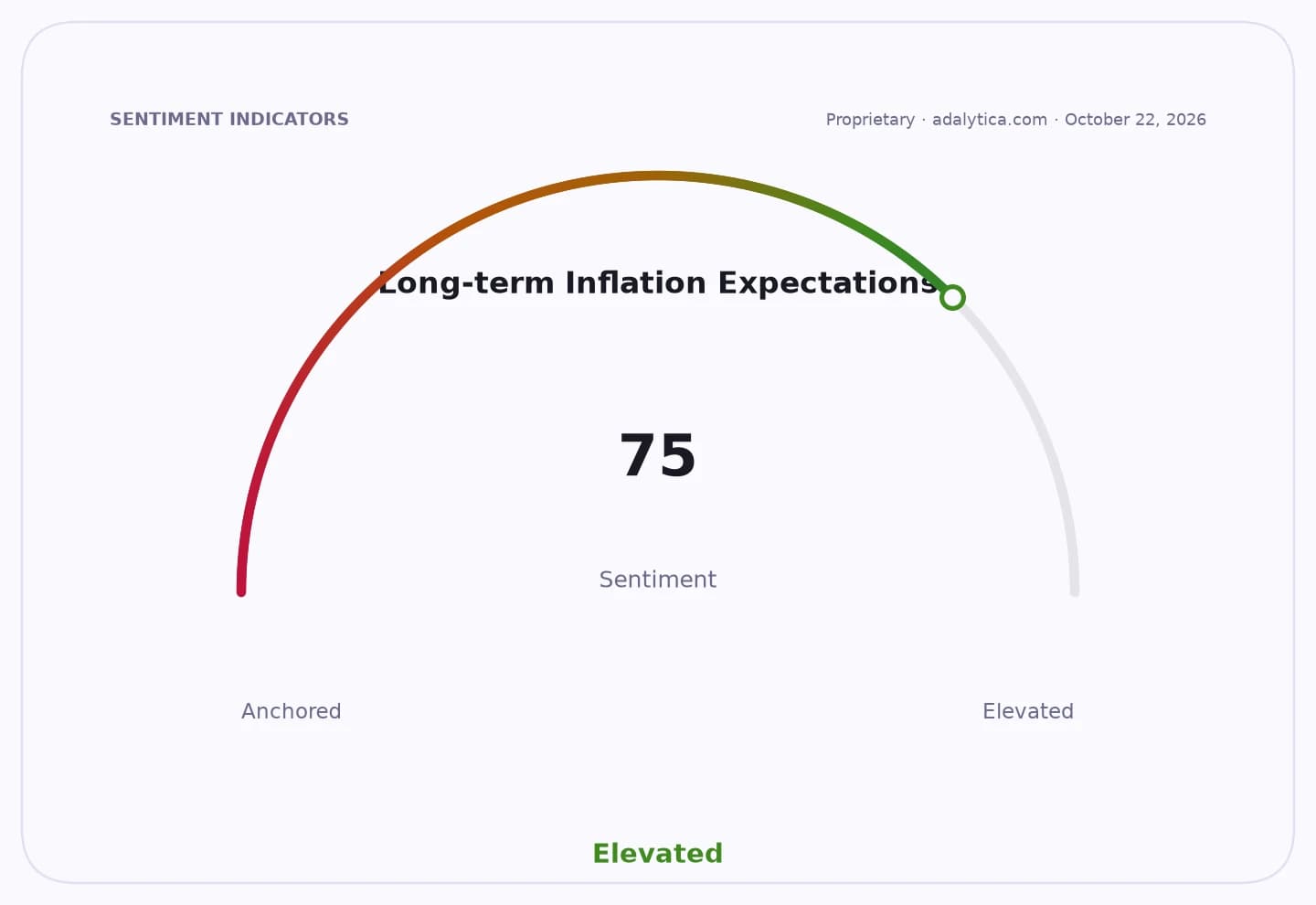
Egypt’s central bank is set to auction 105 billion pounds of treasury bills today, a fresh reminder of how heavily the government relies on short-term domestic borrowing to plug its budget gap.
Egypt central bank to auction 105 billion pounds of T-bills
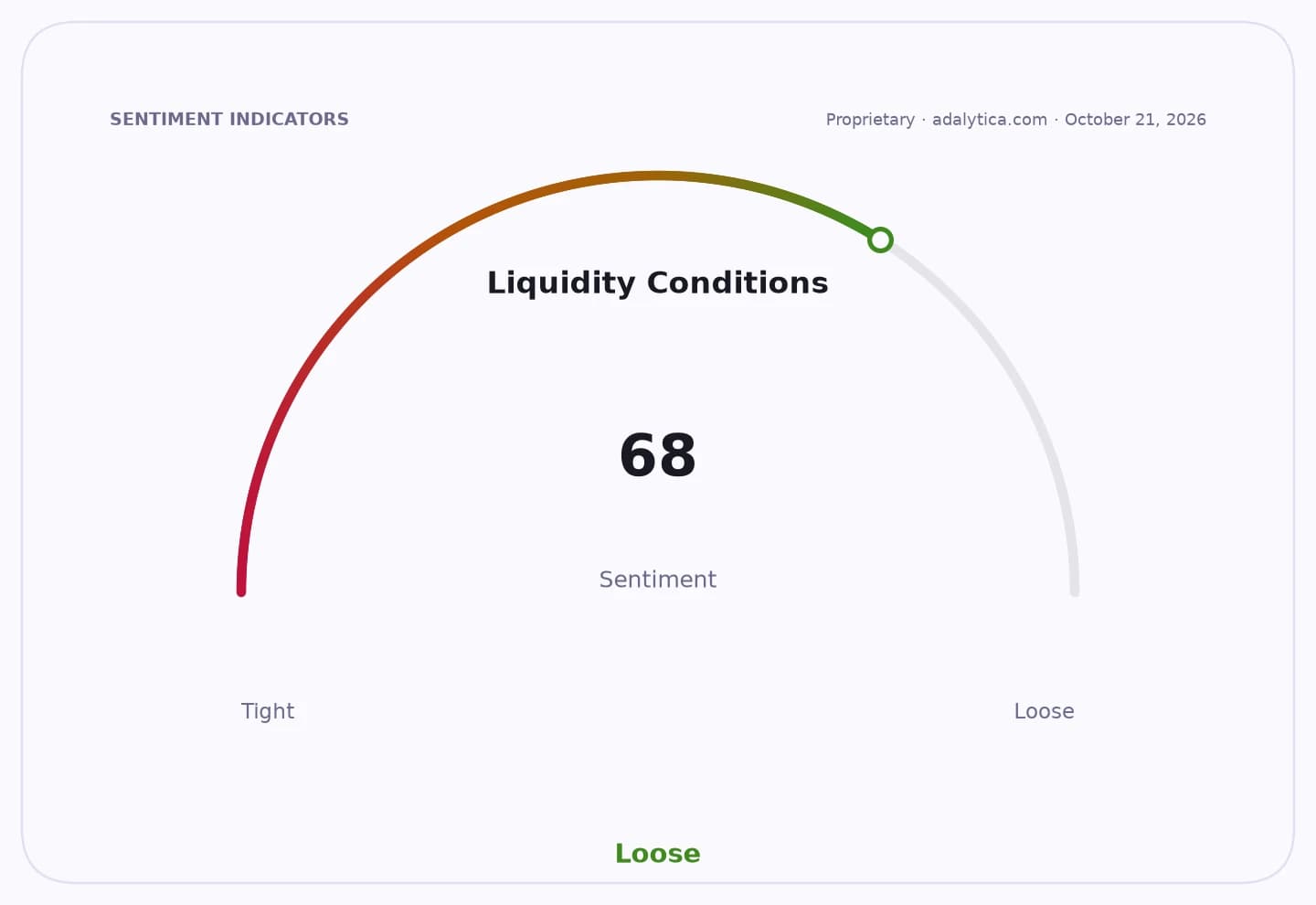
The sale, coordinated with the Finance Ministry, comes as the authorities keep policy rates unchanged, with the overnight deposit rate at 19%, the lending rate at 20% and the main operation rate at 19.5%. That puts the auction in a high-yield environment that should help the state attract buyers, but also keeps debt-servicing costs elevated for the budget.
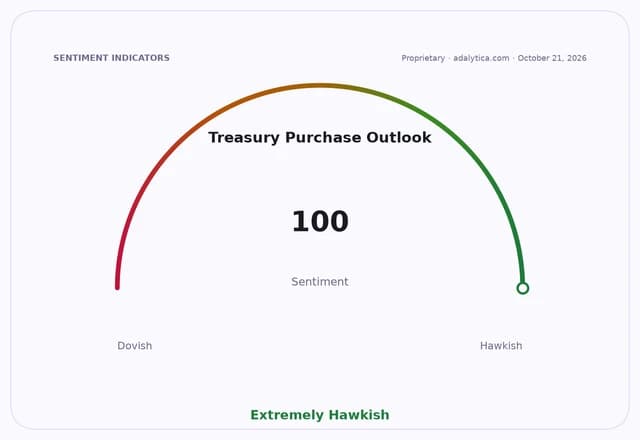
The issue is split between 45 billion pounds of 91-day bills and 60 billion pounds of 273-day bills. Treasury bills are a key funding tool for Egypt because they provide quick financing for the state while giving banks and money-market investors a short-duration instrument backed by sovereign credit.
For investors, the auction matters because it is a live test of local liquidity and demand for government paper after the central bank’s latest decision to hold rates steady. Strong bidding would suggest banks still have appetite for sovereign debt despite tight monetary conditions, while weak coverage would point to pressure on funding costs and a possible squeeze on private-sector credit.
The backdrop is one of persistent fiscal strain, with the government continuing to roll over debt through regular bill and bond sales across the fiscal year. That keeps Egypt’s domestic debt market at the center of macro policy, especially as officials try to balance financing needs against inflation risks and the cost of maintaining a restrictive rate stance.
Traders will watch the allocation results and cut-off yields for signs of how much demand the auction draws and whether the state has to pay up to borrow. The next signals for the market will come from upcoming local debt sales and any shift in central bank guidance on rates.
| Entity | Gains | Losses |
|---|---|---|
| Egyptian government | ▲Near-term deficit funding | ▼Higher interest costs |
| Local banks | ▲High-yield sovereign paper | ▼Balance-sheet crowding |
| Treasury bill buyers | ▲Short-term return | ▼Reinvestment risk |
| Private borrowers | ▲None | ▼Less credit room |