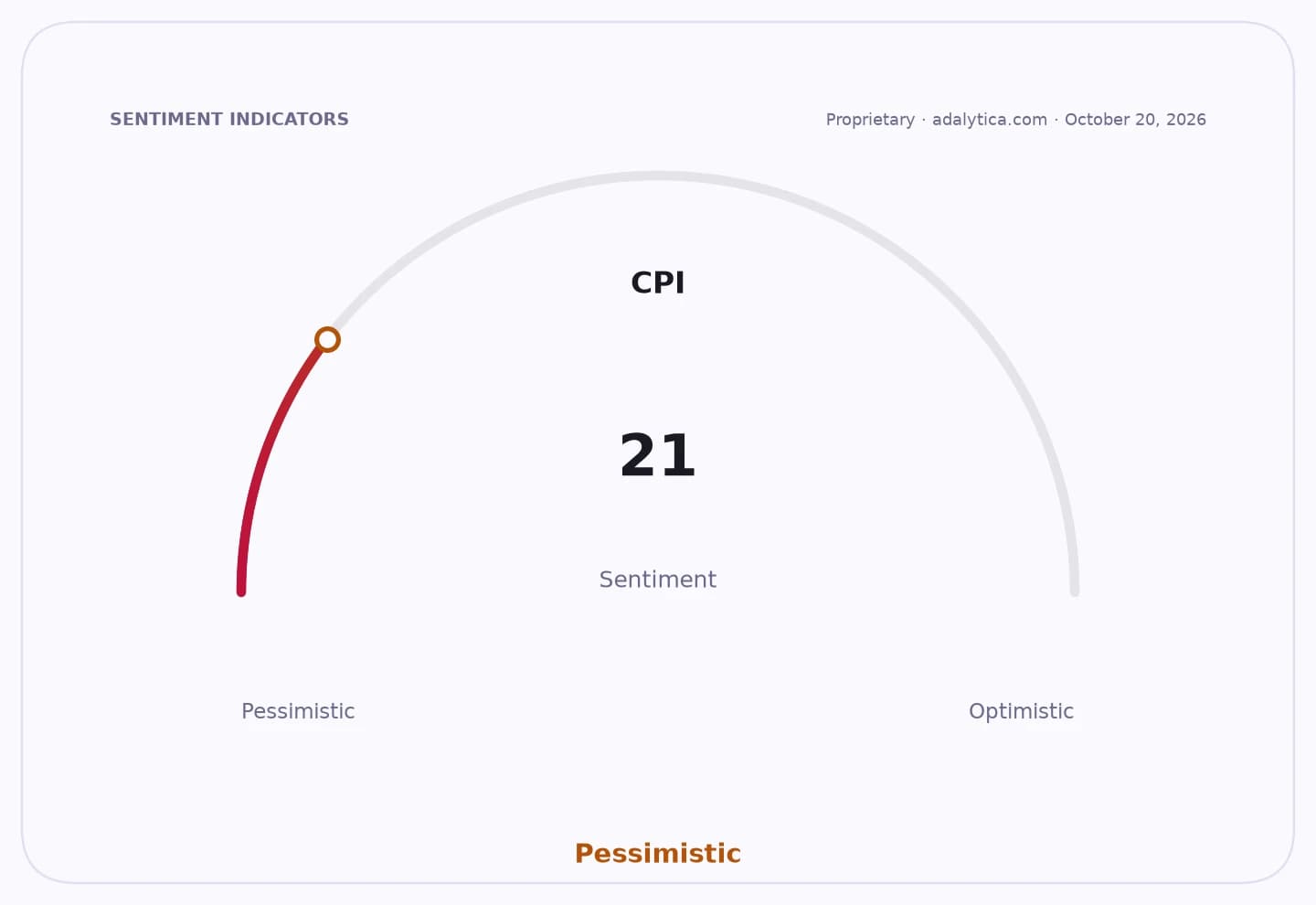
UK inflation likely accelerated in September, with economists expecting the consumer price index to climb to 3.4% from 3.1%, as surging fuel costs and higher household energy bills keep pressure on the cost of living.
UK Inflation Seen Rising to 3.4% in September
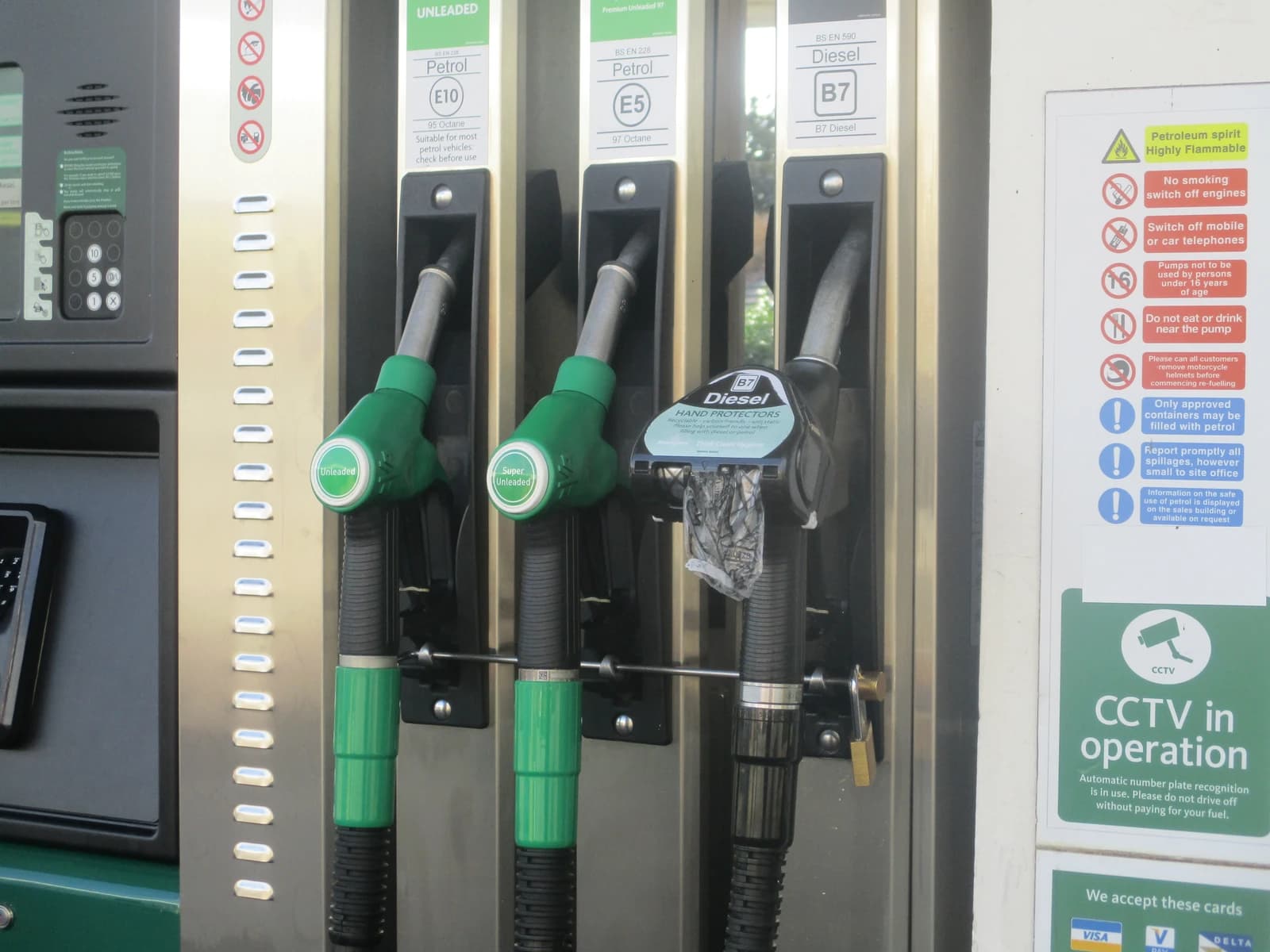
The reading, due from the Office for National Statistics on Wednesday, would mark another step away from the Bank of England’s 2% target and reinforce the squeeze on households already facing higher transport and energy expenses. Economists say the main driver is likely to have been motor fuel, with diesel prices topping £2 a litre for the first time at the start of the month, according to RAC data.
Sentiment IndicatorsⓘProprietary · adalytica.com · October 25, 2026
This is a snapshot — live sentiment, awareness and momentum for 130+ markets update continuously in the dashboard.Open AlphaPulse
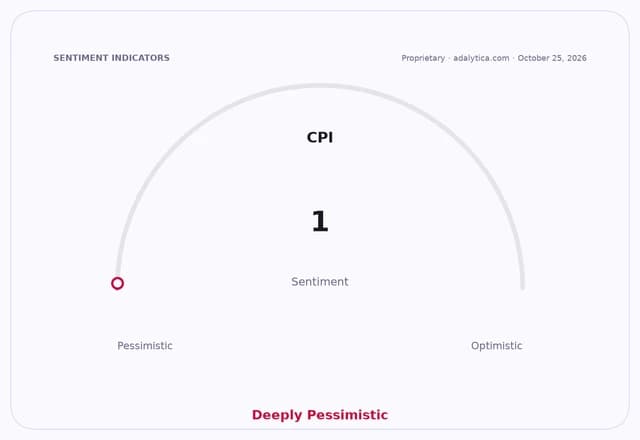
The expected pickup matters because the September inflation rate feeds directly into the annual uplift for a range of state benefits, including universal credit, tax credits and disability payments. It is also a key input for the pension triple lock, meaning the figure helps determine how much the state pension rises next April.
Pantheon Macroeconomics said it expects higher motor fuel prices to have done much of the damage, while the end of a temporary summer VAT cut on family attractions such as theme parks and zoos will also have added to the monthly increase. Deutsche Bank’s Sanjay Raja said food inflation has so far been held down by fierce supermarket competition, but warned that energy shocks and extreme weather could reverse that as winter approaches.
Markets are watching the data for clues on the Bank of England’s policy path, even though the central bank is not expected to react to one month alone. A hotter-than-expected print would support the case for the Monetary Policy Committee to stay cautious on rate cuts, especially with Ofgem’s higher household energy price cap due to kick in at the start of October.
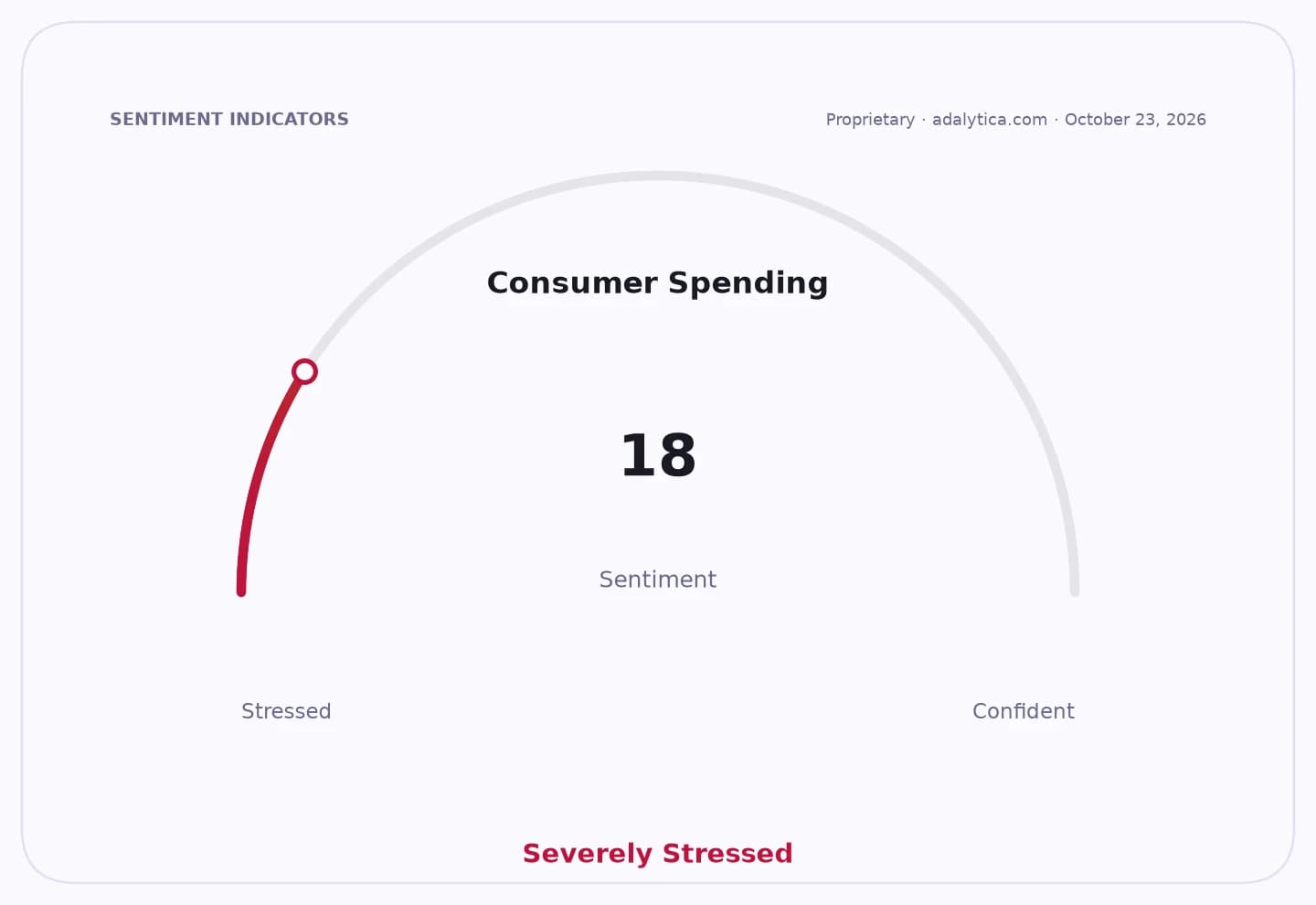
The broader backdrop remains uncomfortable for consumers: inflation has been rising through the summer on the back of geopolitical pressure on energy markets, and the IMF has warned that the burden falls hardest on lower-income households that spend more of their income on essentials. For investors, that means the inflation surprise risk is still skewed to the upside for UK yields and sterling, while keeping pressure on retailers, discretionary spenders and rate-sensitive domestic stocks.
Wednesday’s ONS release will show whether September marks a temporary spike or the start of a more persistent inflation round trip, with energy costs, wages and benefits policy all in play into year-end.
| Entity | Gains | Losses |
|---|---|---|
| UK energy producers | ▲Higher realized fuel prices | ▼Consumers facing bigger bills |
| UK government | ▲Benefit and pension formulas stay anchored | ▼Political pressure from cost-of-living squeeze |
| Bank of England hawks | ▲Case for caution on cuts | ▼Doves seeking faster easing |
| Households and retailers | ▲— | ▼Lower real incomes and weaker spending |