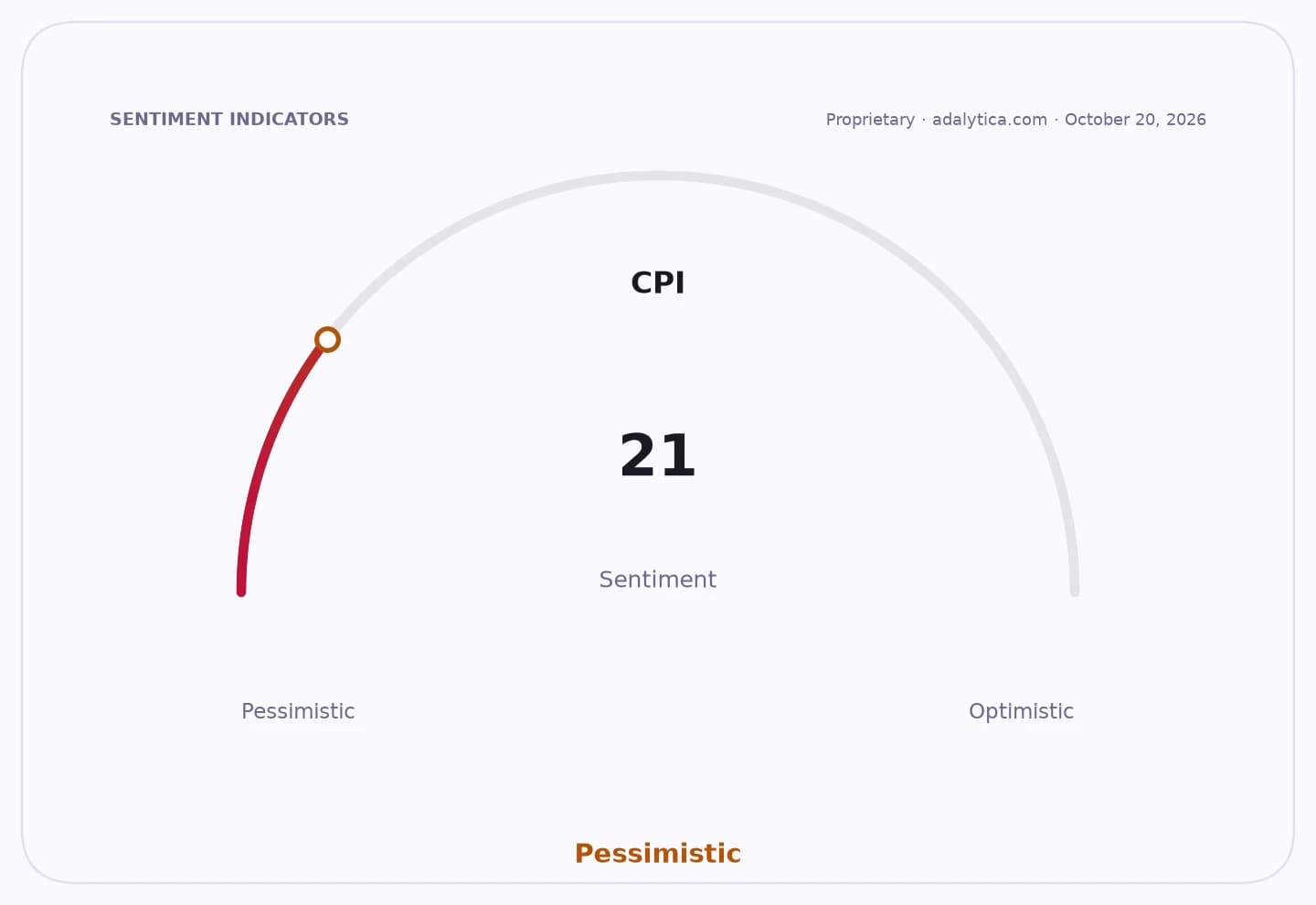
Brescia’s inflation rate climbed to 3.9% in September, underscoring how stubborn energy, housing and transport costs are still squeezing household budgets even as the city’s pace of price growth remained a bit below the Italian average.
Brescia Inflation Rises to 3.9% in September
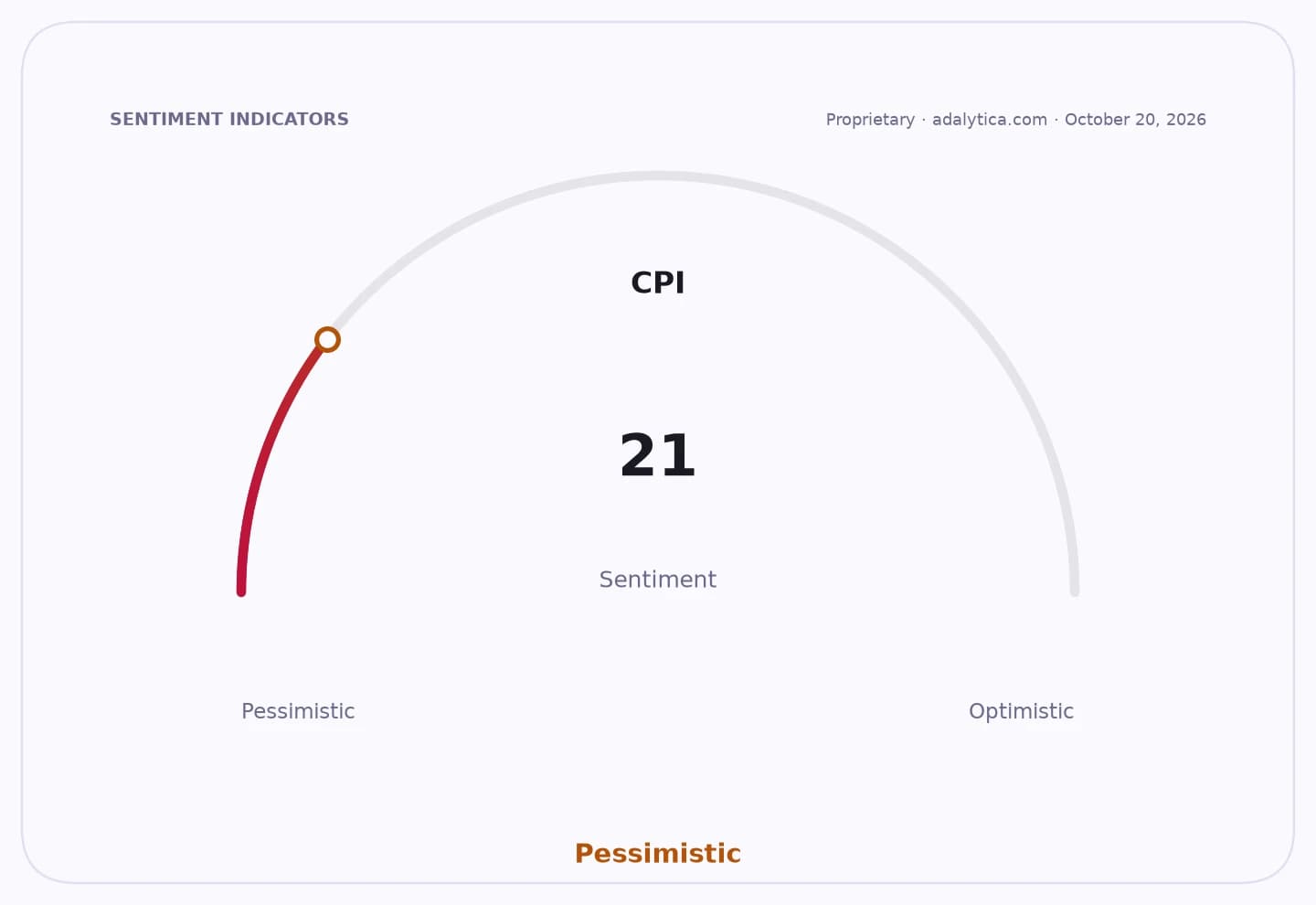
That matters because local inflation is where national data becomes real: in Brescia, the biggest force was housing, water, electricity, gas and other fuels, which jumped 12.1% from a year earlier and 2.2% in the month. Transport prices rose 8.6% over 12 months, while the broader basket of goods increased 5.1%. For families, that means the bills that are hardest to avoid — heating, power, commuting and food — are still doing most of the damage.
The monthly reading showed consumer prices up 0.4% from August, versus 0.7% nationally, suggesting Brescia is not at the epicenter of Italy’s inflation problem, but it is still feeling it. The “carrello della spesa,” or shopping basket that tracks food and household essentials, rose 0.6% on both a monthly and annual basis. High-frequency purchases climbed 5.2% over the year, a sign that the pain is showing up first in the items households buy most often.
The clearest culprit is energy. Gas prices were up 20.9% from a year earlier, electricity 18.3%, and liquid fuels a striking 62.6%, even if that last category carries less weight in the basket. Those numbers help explain why the broader goods category advanced faster than services, which were up 2.5% year on year but fell 0.7% in the month. Core inflation, excluding energy and unprocessed food, cooled to 1.4%, showing that the underlying trend is still milder than the headline figure.
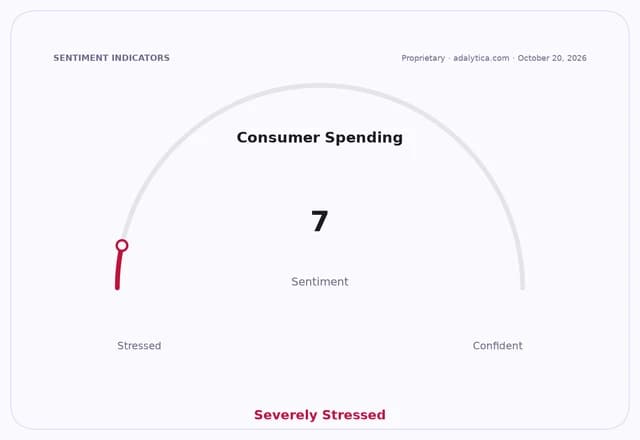
For investors, the message is straightforward: inflation is not a national abstraction, it is a demand and margin issue. Persistent household cost pressure can weigh on discretionary spending, keep retailers and consumer-facing businesses cautious, and support demand for energy-linked assets. The move also fits a broader pattern in which energy remains the dominant swing factor in inflation prints, keeping bond markets and rate expectations sensitive to every new monthly reading.
The practical takeaway is that inflation in Brescia is still being driven by the expenses people cannot easily defer. If energy costs remain elevated and transport keeps rising, household purchasing power will stay under pressure, and that is something investors should watch closely over the next several months.
| Entity | Gains | Losses |
|---|---|---|
| Energy suppliers | ▲Higher pricing power | ▼Households |
| Consumers in Brescia | ▲None | ▼Budget pressure |
| Transport providers | ▲Ability to pass through costs | ▼Commuters and travelers |
| Retailers and consumer brands | ▲Steady nominal sales | ▼Softer real demand |