Trinidad and Tobago’s inflation rate slowed to 5.8% in September, offering households and policymakers a modest reprieve even as food prices continued to climb and keep pressure on everyday spending.
Trinidad and Tobago inflation slows to 5.8% in September
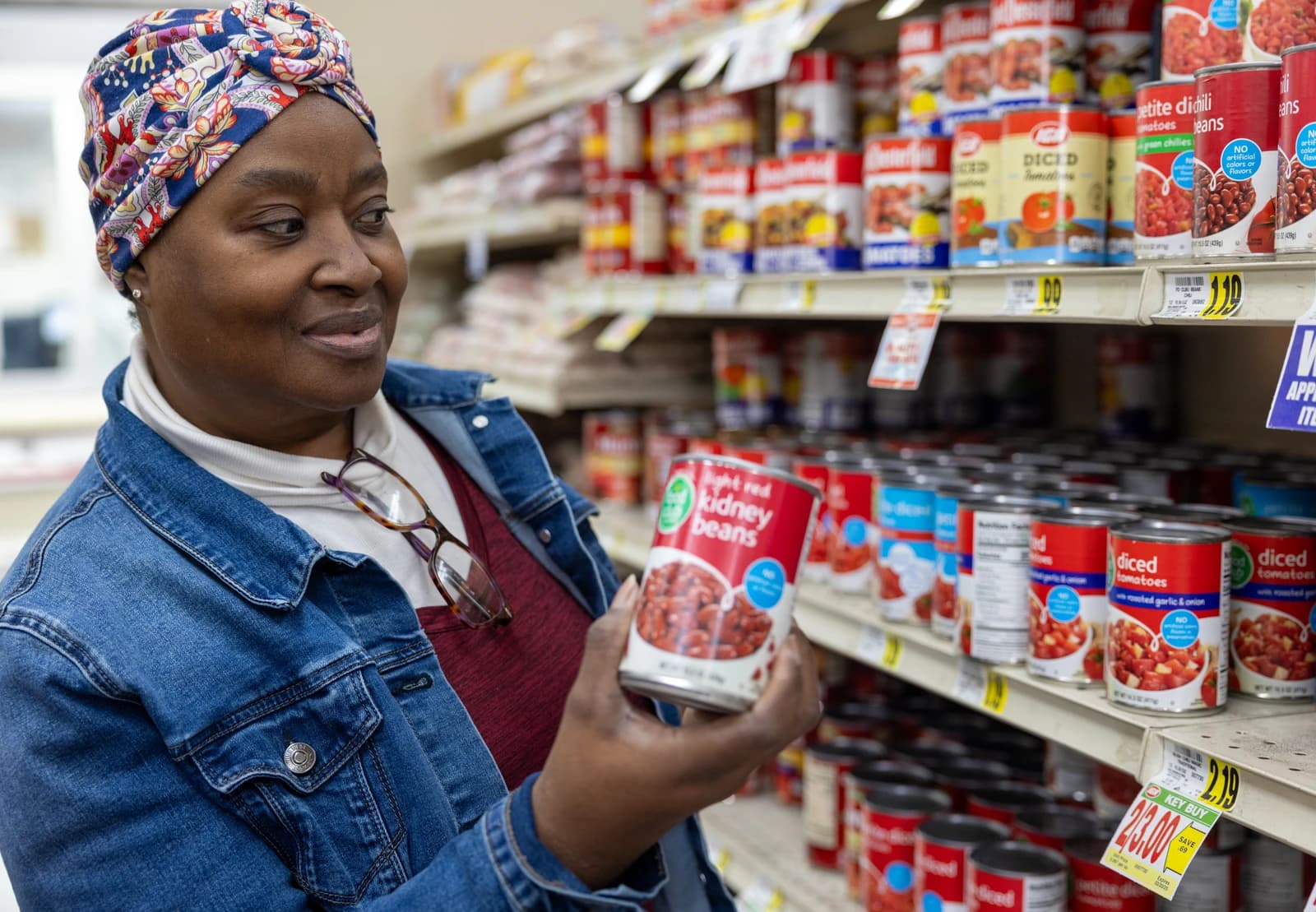
That matters because inflation is still running well above comfort levels, and the drivers of price growth are the ones consumers feel most directly at the grocery store. The Central Statistical Office said the retail price index rose to 123.6 in September from 123.4 in August, with the food and non-alcoholic beverages category up 0.8% on the month. That increase was led by higher prices for Irish potatoes, beef, pork, cucumber, chive, soya bean oil and onions, partly offset by cheaper pumpkin, chicken, margarine, rice, flour and some fruit and vegetables.
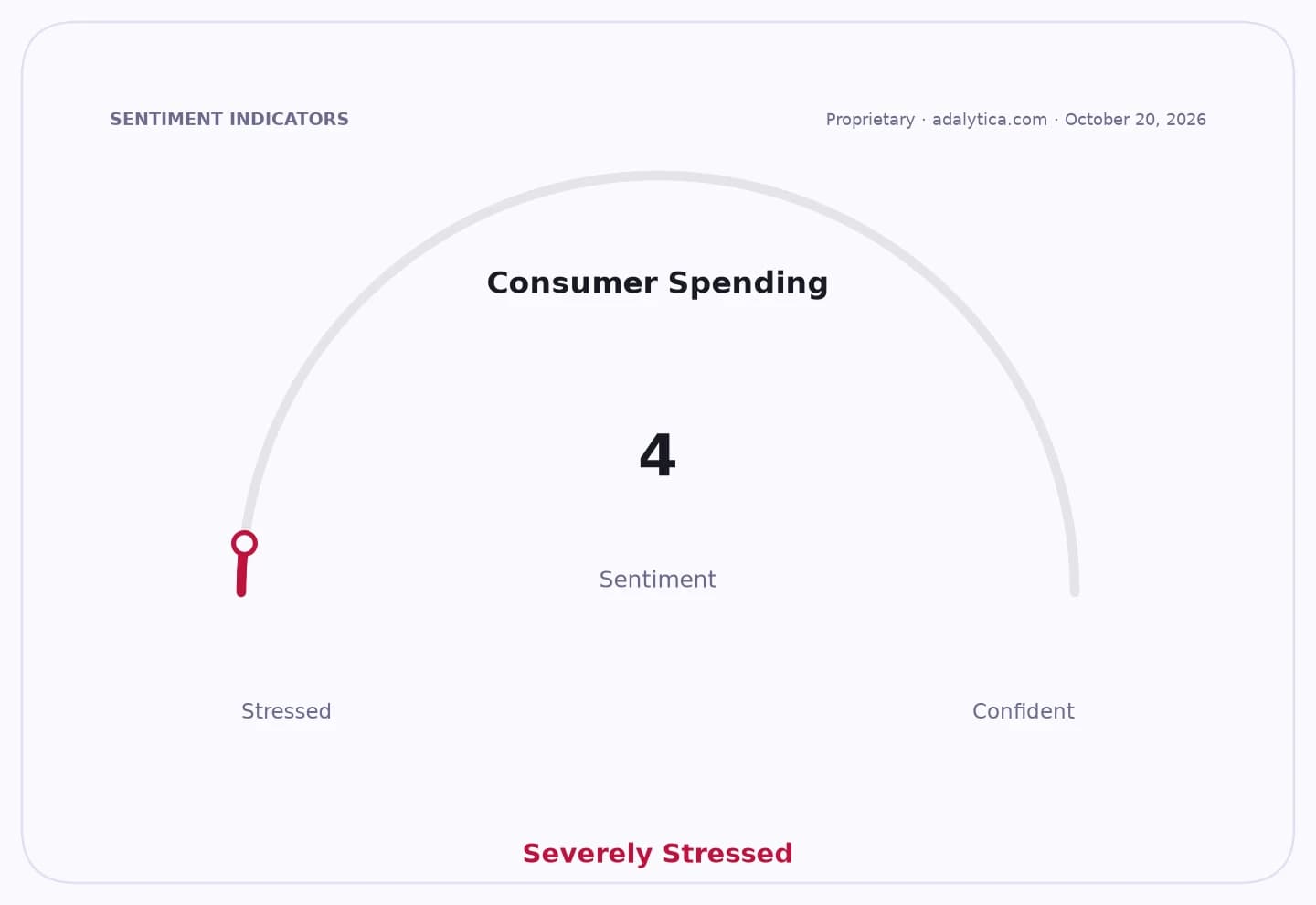
Sentiment IndicatorsⓘProprietary · adalytica.com · October 20, 2026
This is a snapshot — live sentiment, awareness and momentum for 130+ markets update continuously in the dashboard.Open AlphaPulse
For investors, the message is straightforward: easing inflation is helpful, but this is not yet the kind of disinflation that lets businesses or households breathe easily. Food remains the biggest swing factor, which means wage expectations, consumer demand and margins in retail, restaurants and staples-related businesses can still be unsettled. When the essentials keep rising, discretionary spending tends to get squeezed, and that can ripple through the wider economy.
The September reading is also better viewed as a cooling trend than a clean victory. Inflation for January through September came in at 5.8%, down from 6.2% for January through August, and up from 5.1% in the comparable period a year earlier. That suggests price pressure is moderating, but not fast enough to call the problem solved. Alcohol, clothing and health moved only slightly or fell, yet the overall basket still edged higher, showing how sticky core cost pressures remain.
For long-term investors, the key takeaway is that a slower inflation pace can support consumer confidence over time, but the path will likely stay uneven as food and imported items continue to matter. Companies with pricing power, efficient supply chains and exposure to essential spending should prove more resilient than those dependent on discretionary demand. If inflation keeps easing in the months ahead, that would be a constructive backdrop for the economy — and worth watching closely.
| Entity | Gains | Losses |
|---|---|---|
| Consumers | ▲Slower headline inflation | ▼Still-higher grocery bills |
| Retailers with pricing power | ▲More stable demand | ▼Margin pressure from cautious shoppers |
| Food buyers | ▲Lower prices in some items | ▼Rising prices in beef, potatoes, oils |
| Policymakers | ▲Evidence inflation is easing | ▼Ongoing pressure to curb essentials-driven inflation |