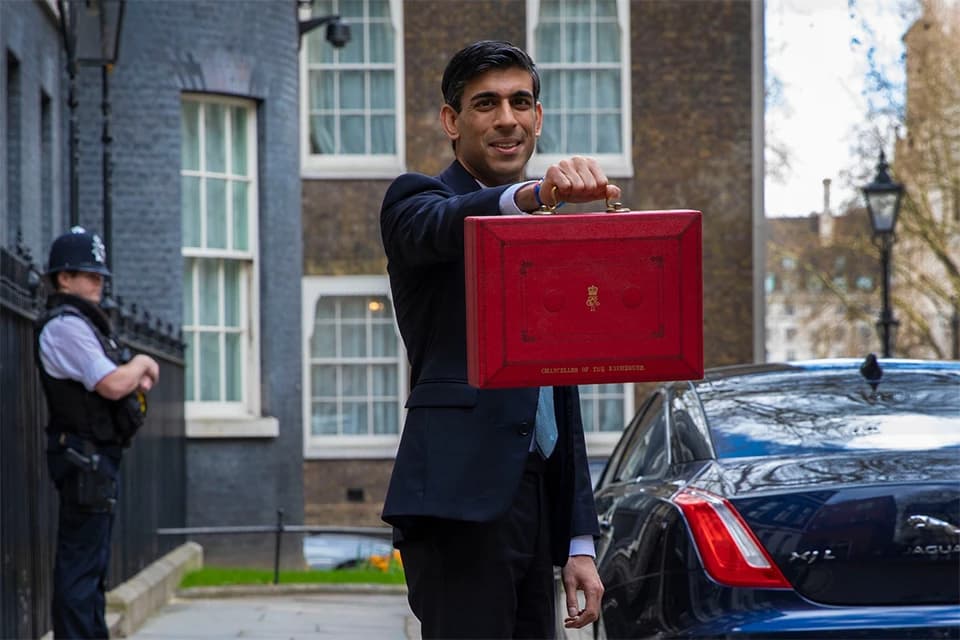
England’s government is telling households to keep three days of essentials on hand as it prepares for disruptions to power, water, telecoms and supply chains that officials say are no longer hypothetical.
UK government urges households to store emergency supplies
The “Be Ready” campaign is the clearest sign yet that Britain is moving to a more permanent emergency-preparedness footing, reflecting concerns about cyberattacks, natural disasters and threats to critical infrastructure. For the economy, the message is simple: resilience is becoming part of the cost of doing business, and households are being asked to absorb some of that burden up front rather than wait for government response after a shock.
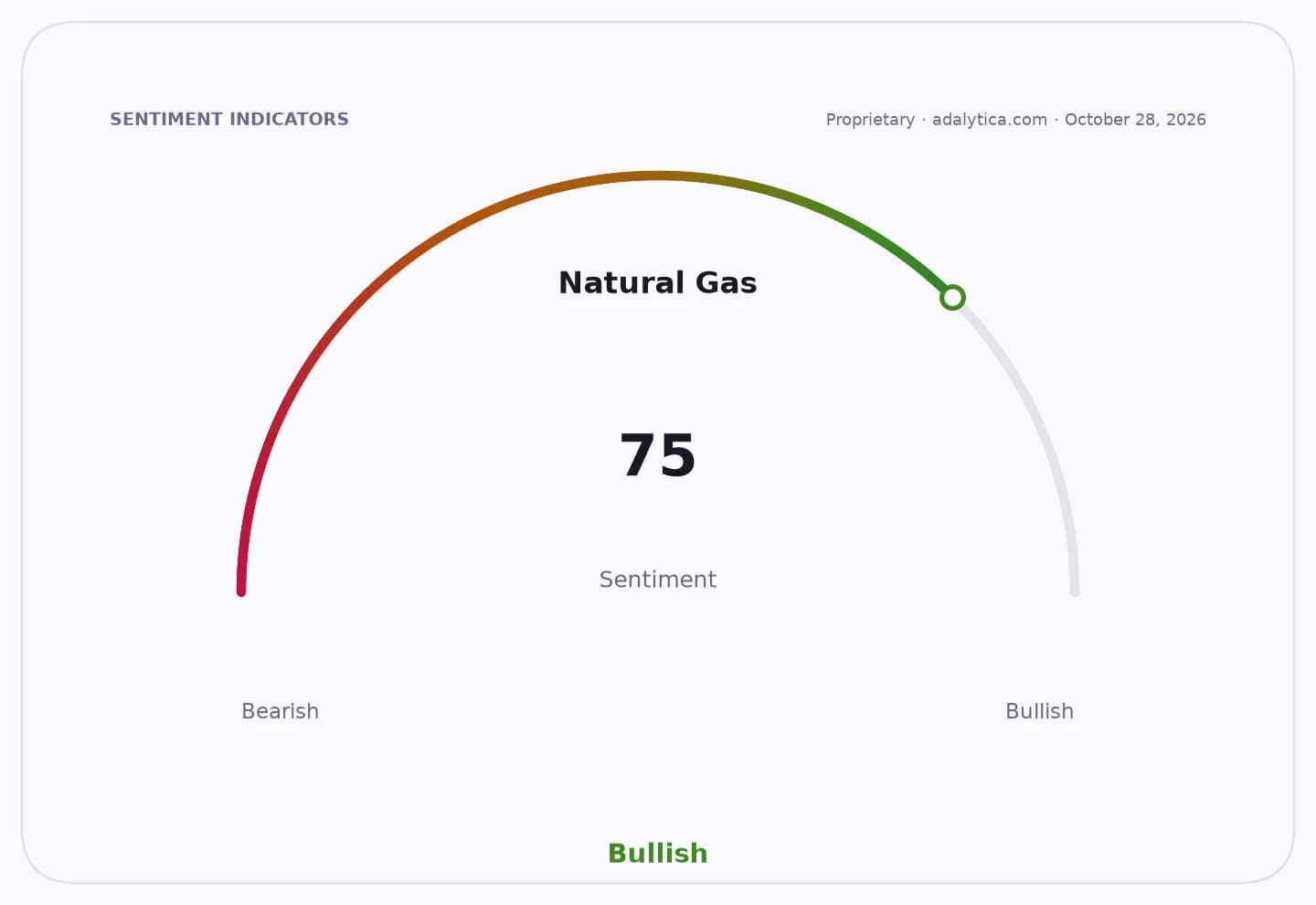
Sentiment Indicators
Officials said people should store 9 litres of drinking water per person, non-perishable food, first-aid supplies, torches, blankets, cash and battery-powered radios. The advice is aimed at bridging short outages, but it also acknowledges the possibility of wider failures in electricity, water, phone and internet services, as well as payment systems. That matters because even brief interruptions can ripple through retail sales, logistics, banking and emergency services.
Defense Secretary Wes Streeting said in a speech in Telford that the country must be better prepared for “natural disasters, advanced cyber attacks and state-backed terrorism,” warning that Russia and other hostile states could target infrastructure used in everyday life. Security Minister Dan Jarvis said simple household precautions would allow rescue services to prioritize those with the greatest need in a crisis.
The government framed the campaign as part of a broader effort to build national resilience, and not as a warning tied to any one threat. But the timing underscores a broader shift in Europe, where governments are increasingly treating cyber risk, energy security and critical infrastructure protection as economic as well as security issues. Britain cited similar preparedness drives in France, Ireland and the Netherlands.
For investors, the implications run beyond emergency supplies. The campaign reinforces demand for cybersecurity, grid resilience, backup communications and logistics redundancy, while highlighting the vulnerability of consumer-facing industries that depend on uninterrupted digital payments and just-in-time inventories. It also keeps attention on energy security after global supply disruptions pushed crude to six-month highs and left strategic reserves under strain.
The market backdrop suggests the risk premium around resilience is not likely to fade quickly. The U.S. Strategic Petroleum Reserve is at a 44-year low, oil prices have surged on Middle East tensions, and QatarEnergy is hedging against disruption in the Strait of Hormuz. In that environment, Britain’s appeal to households is part of a wider global recognition that supply shocks are becoming a recurring macro variable, not a tail risk.
That should support spending on preparedness and infrastructure hardening, but it may also weigh on margins for firms that must invest in contingency planning, backup systems and inventory buffers. The winners are likely to be security, utility and logistics providers able to sell resilience; the losers are businesses exposed to outage risk and households facing higher precautionary costs.
| Entity | Gains | Losses |
|---|---|---|
| UK government | ▲Higher resilience | ▼Political blame in a crisis |
| Cybersecurity and backup-supply firms | ▲Rising demand | ▼Limited downside if outages hit |
| Utilities and telecom operators | ▲Greater focus on upgrades | ▼Higher compliance and capex costs |
| Households and retailers | ▲Better preparedness | ▼Added inventory and cash costs |