Britain is moving to pay for more gas pipeline capacity from continental Europe this winter as regulators scramble to shore up supplies in case of an emergency that leaves the country short of fuel.
UK Pays for More Gas Pipeline Capacity
Natural Gas
The push matters because it is a direct admission that the UK may need additional import flexibility to keep homes and businesses supplied during cold weather or disruption, even after officials approved the controversial Jackdaw North Sea gas field. Government documents say energy security concerns carried “substantial weight” in that approval, underscoring how supply fears are now shaping policy on both domestic production and cross-border imports.
Sentiment Indicators
The regulator’s plan, outlined Thursday, would increase the amount of gas Britain can pull in from Europe if the system comes under stress. That is economically significant because Britain has become more dependent on imported gas since North Sea output declined, leaving the market more exposed to outages, weather swings and price spikes.
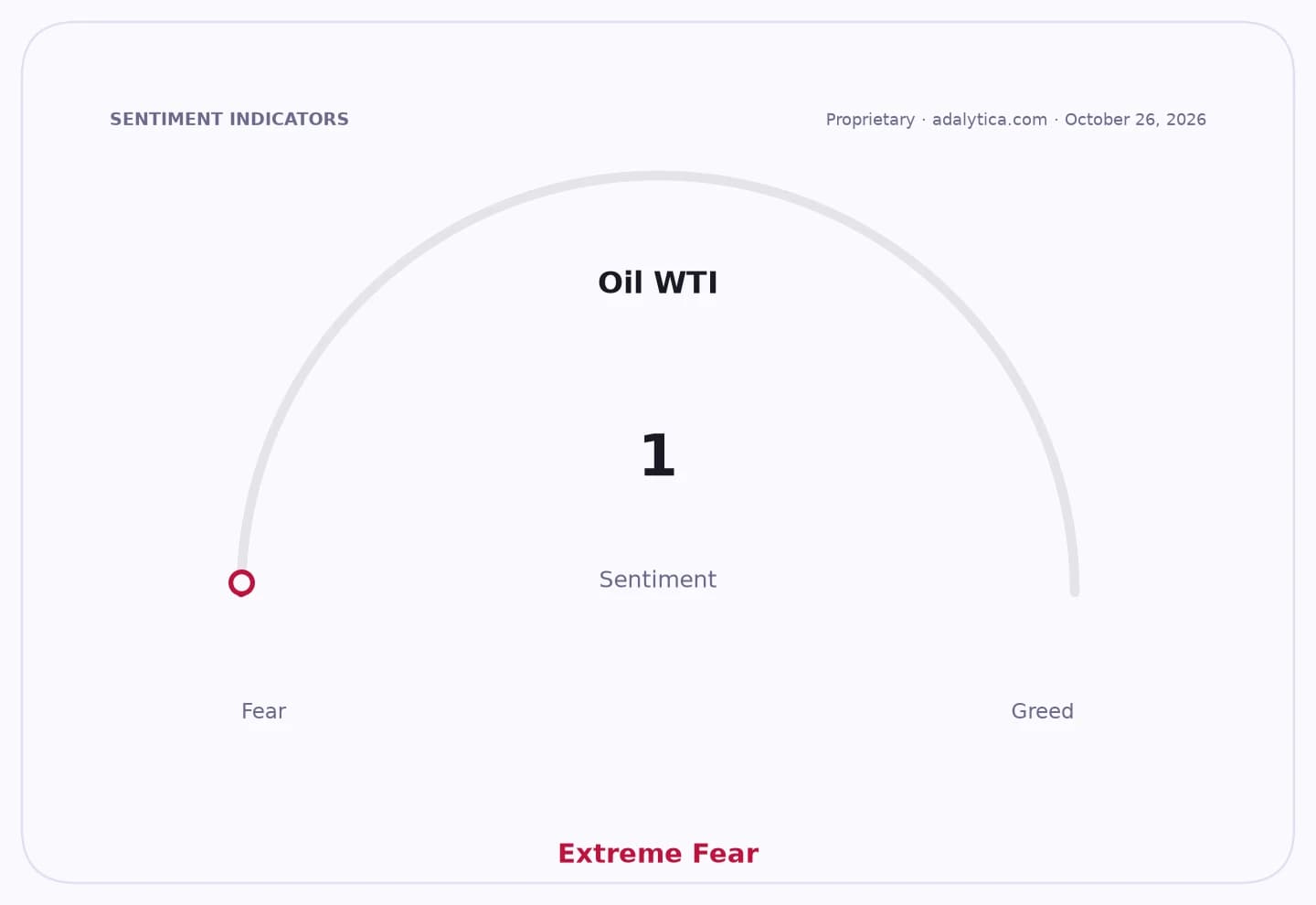
For investors, the message is twofold: energy security is again a political priority in the UK, and infrastructure that improves import access may gain value even as the broader gas market remains volatile. Natural gas futures are still trading with elevated sensitivity, and the latest moves come as market participants weigh winter demand against ample but fragile supply and shifting geopolitical risk.
The decision also feeds into a wider energy-security trade-off. Britain is trying to balance emissions goals, domestic production and emergency resilience, while Europe as a whole keeps investing in pipelines, LNG terminals and backup capacity after years of supply shocks.
With winter approaching, the key question is whether the added pipeline capacity and the Jackdaw project will be enough to ease the risk premium embedded in UK gas pricing, or whether another cold spell will force policymakers to do more.
| Entity | Gains | Losses |
|---|---|---|
| UK households and industry | ▲Better emergency supply security | ▼Higher system costs |
| Gas pipeline operators | ▲New paid capacity demand | ▼Limited if volumes stay weak |
| North Sea producers | ▲Policy support for output | ▼Continued regulatory scrutiny |
| Gas consumers/shorts | ▲Less outage risk | ▼Lower scarcity-driven upside |