The Trump administration plans to loan up to 315,000 barrels of heating fuel from a Northeast reserve in a bid to ease energy costs ahead of winter, a targeted move that could help cap heating bills in New England but is unlikely to materially alter the broader fuel market.
U.S. to loan heating fuel from Northeast reserve
The Energy Department said deliveries from storage in Maine, Massachusetts and Connecticut are due to be completed by Nov. 13, with the fuel intended for retailers and terminal operators serving areas where supply is tight. Energy Secretary Chris Wright said the administration is trying to do “everything possible” to lower energy costs.
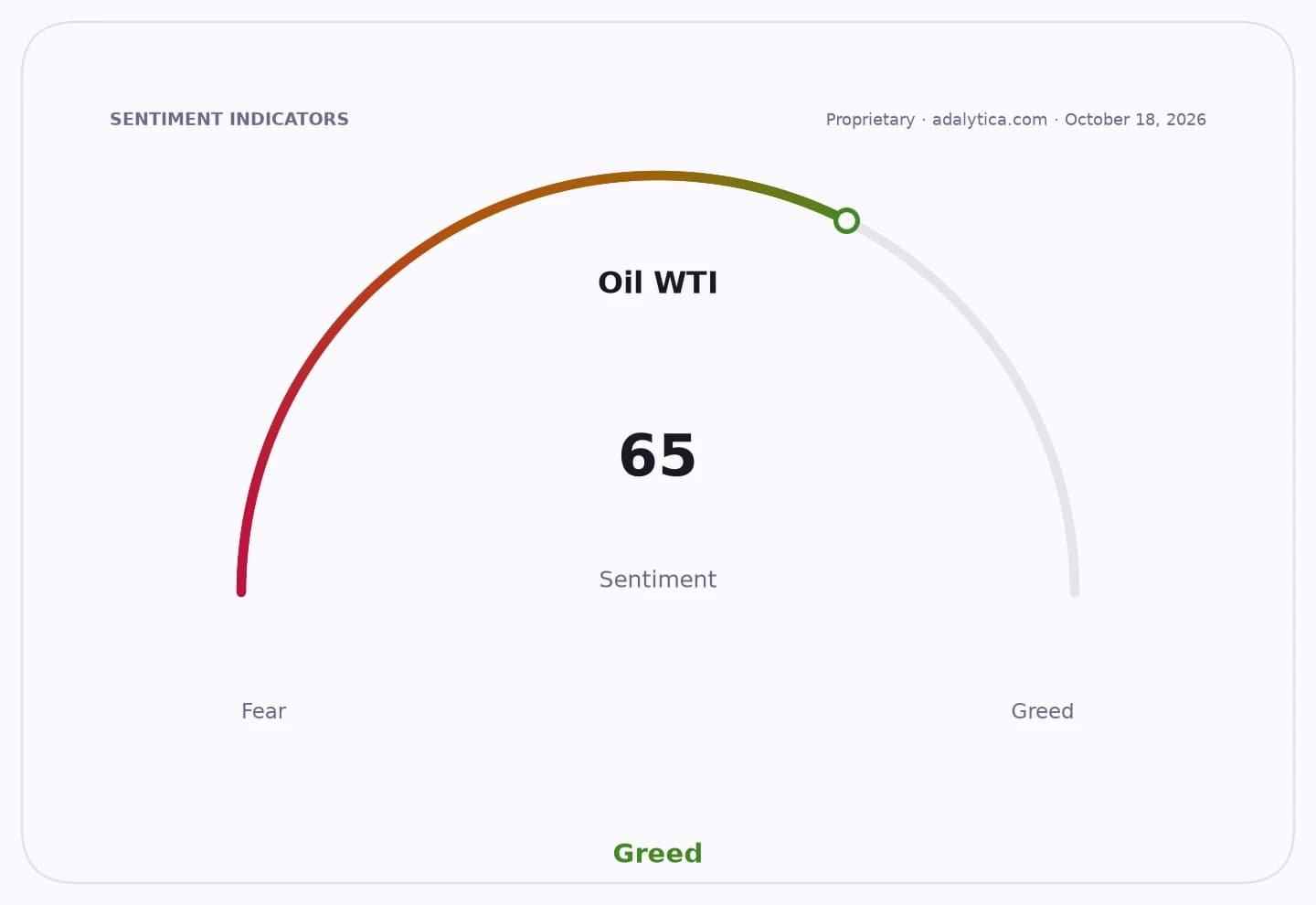
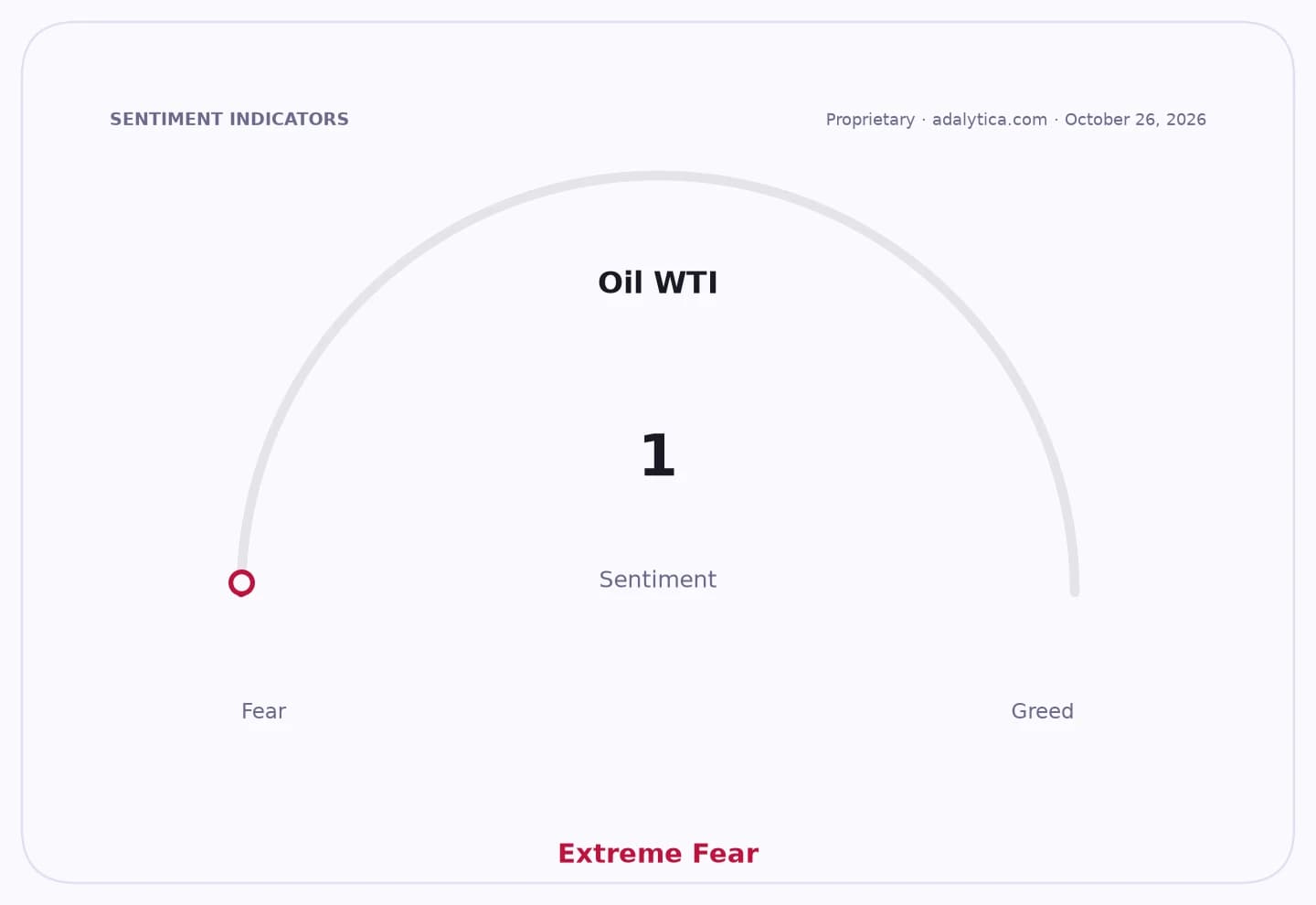
Sentiment IndicatorsⓘProprietary · adalytica.com · October 26, 2026
This is a snapshot — live sentiment, awareness and momentum for 130+ markets update continuously in the dashboard.Open AlphaPulse
The reserve holds about 1 million barrels, so the release amounts to roughly one-third of inventory. Authorities said they will consider further withdrawals depending on market conditions, underscoring concern that heating oil supplies could tighten as colder weather arrives.
The move matters economically because fuel oil is still a major home-heating source in parts of the Northeast, where about a third of households in New England and roughly half of homes in Maine rely on it. Any relief to regional inventories can feed through to retail prices and reduce pressure on already-stretched consumers.
It also fits into a broader policy push to tame energy inflation. The government is separately leaning on crude markets through a larger 172 million-barrel loan from the Strategic Petroleum Reserve on the Gulf Coast and has backed early work on the Constitution gas pipeline, which could eventually improve supply into New York and New England.
For investors, the headline is less about direct volume impact and more about the message: Washington is still willing to intervene when fuel prices threaten household budgets. That keeps a floor under policy sensitivity in refined products, even as crude benchmarks remain volatile and the market watches whether heating demand, diesel inventories and refinery output can keep pace.
WTI crude futures have been swinging sharply, while U.S. oil-related exchange-traded funds such as USO and XLE have traded with elevated momentum and overbought technical readings based on standard indicators including the 50-day moving average, RSI and MACD. Adalytica’s trade signals on USO show extreme fear even as awareness remains high, suggesting traders are bracing for more price volatility rather than betting on a clean supply repricing.
The next catalyst is the weather. If early cold snaps lift heating demand before inventories rebuild, pressure could intensify for more federal action and support prices for fuel distributors, refiners and terminal operators.
| Entity | Gains | Losses |
|---|---|---|
| Northeast households | ▲Lower heating bills | ▼Less supply anxiety |
| Fuel retailers/terminal operators | ▲More product availability | ▼Tighter margins if prices ease |
| U.S. consumers | ▲Some energy-cost relief | ▼None if winter demand rises |
| Oil market bears | ▲Policy-driven supply relief | ▼Higher chance of price support |