Brent crude fell more than 2% on Friday as traders priced in the possibility of more Russian barrels returning to the market and digested OPEC’s smaller forecast for 2026 oil demand growth, a combination that is starting to loosen a market that had been trading on persistent supply anxiety.
Brent crude falls on Russia supply and demand cut
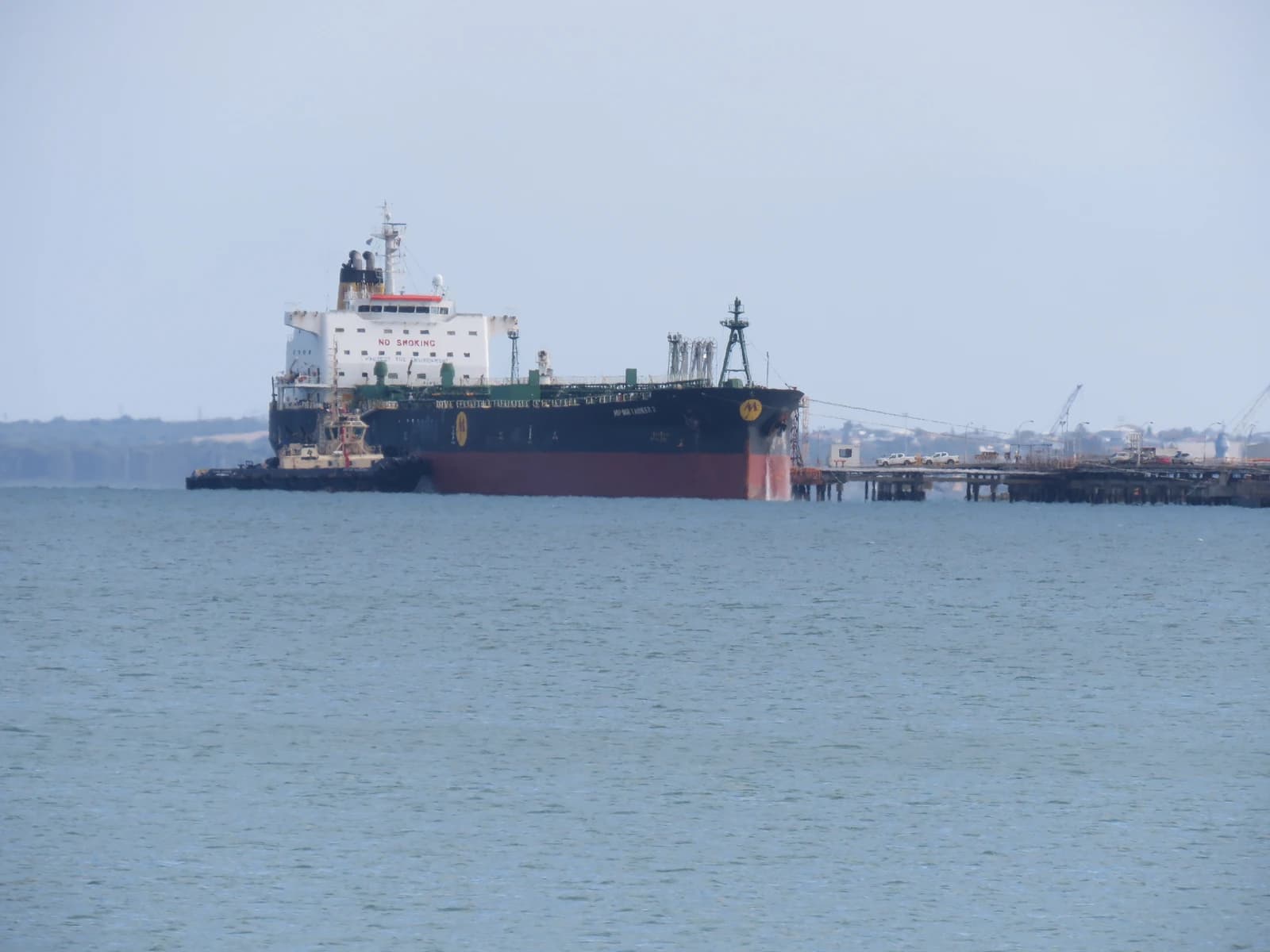
That matters because oil at these levels is still high enough to keep pressure on transport, chemicals and broader inflation, but the direction is now being driven less by geopolitical fear and more by the market’s view that supply may improve faster than demand. For investors, that is the key inflection point: if the rally was built on scarcity, the correction can come quickly once the scarcity premium starts to evaporate.
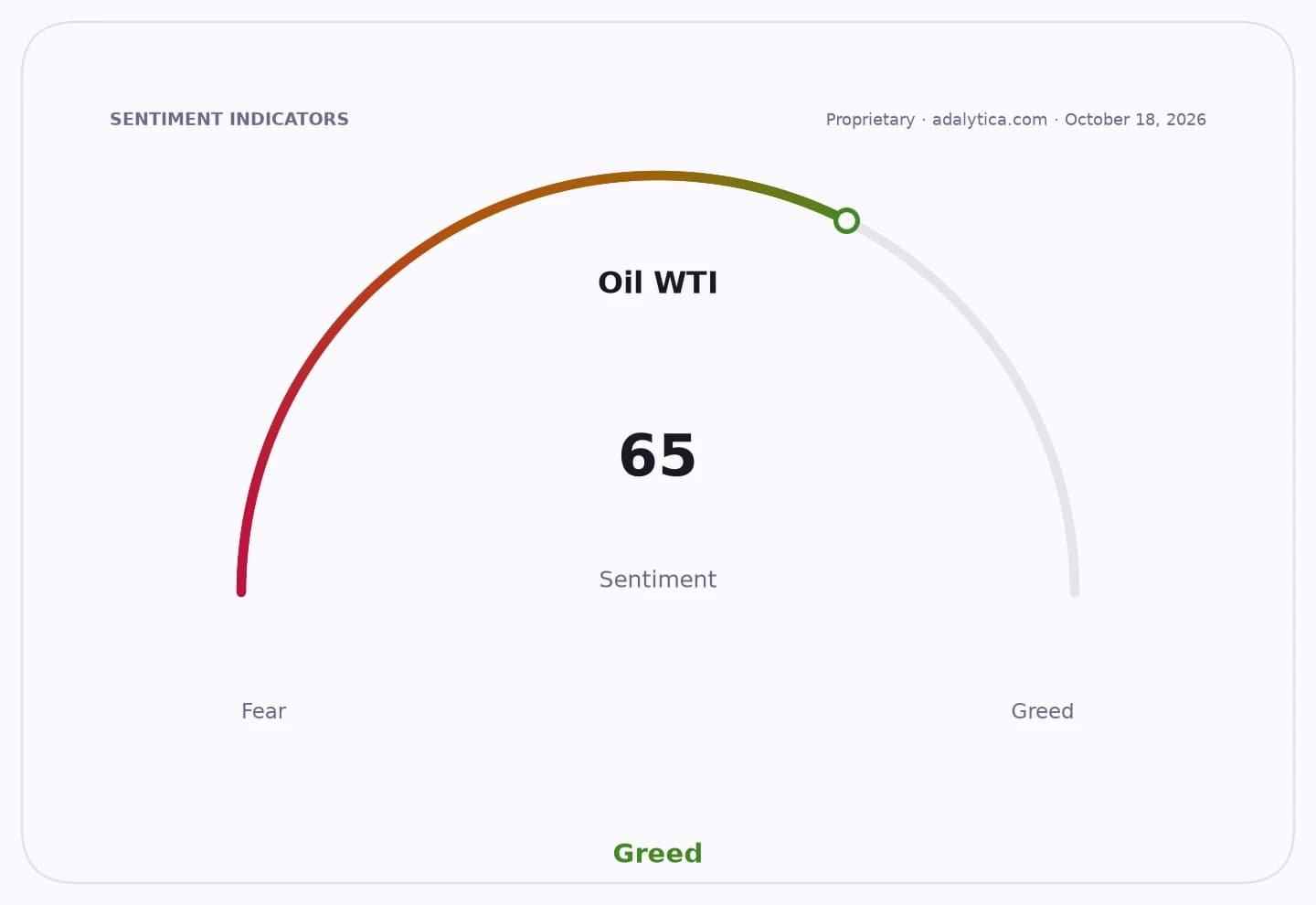
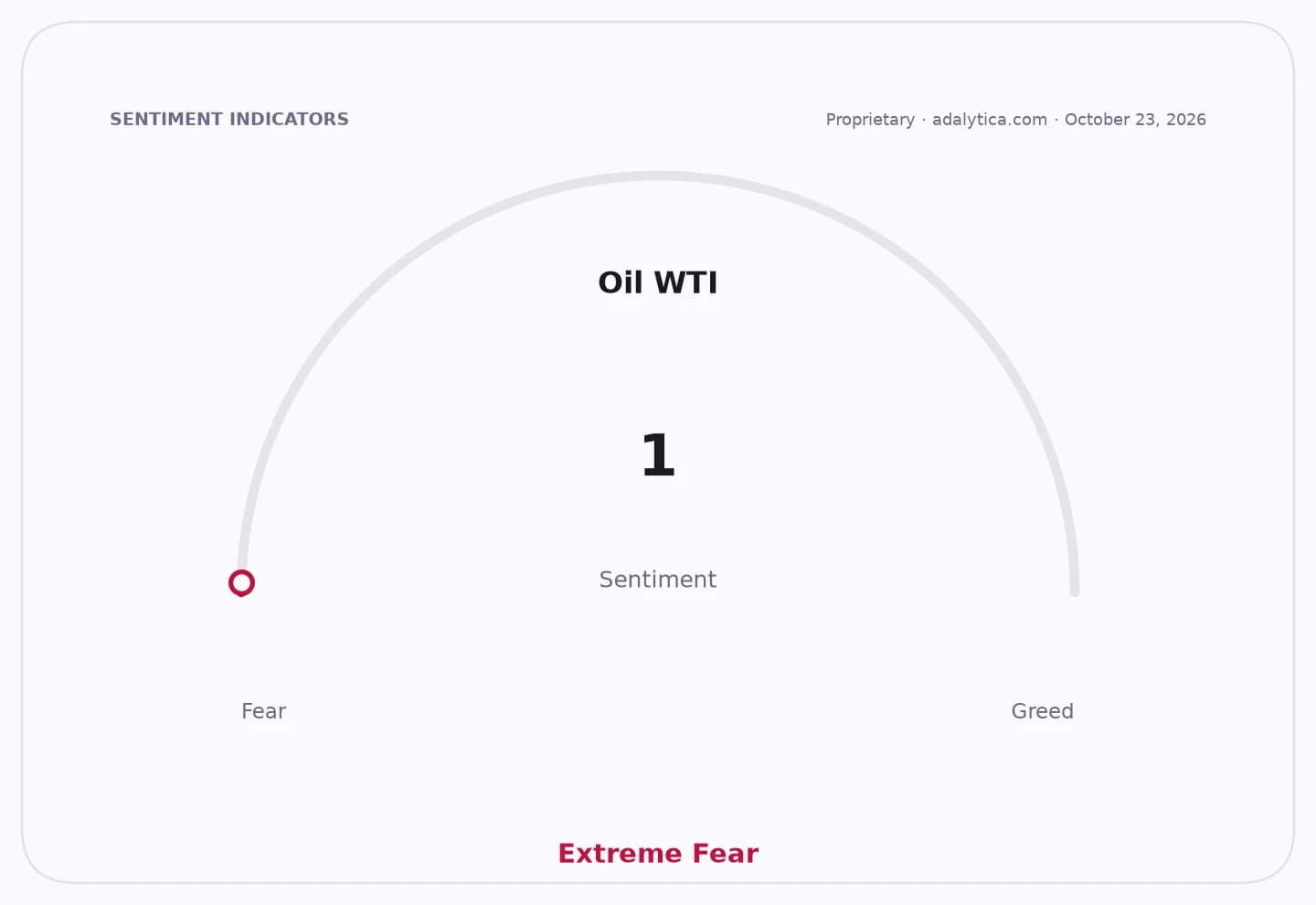
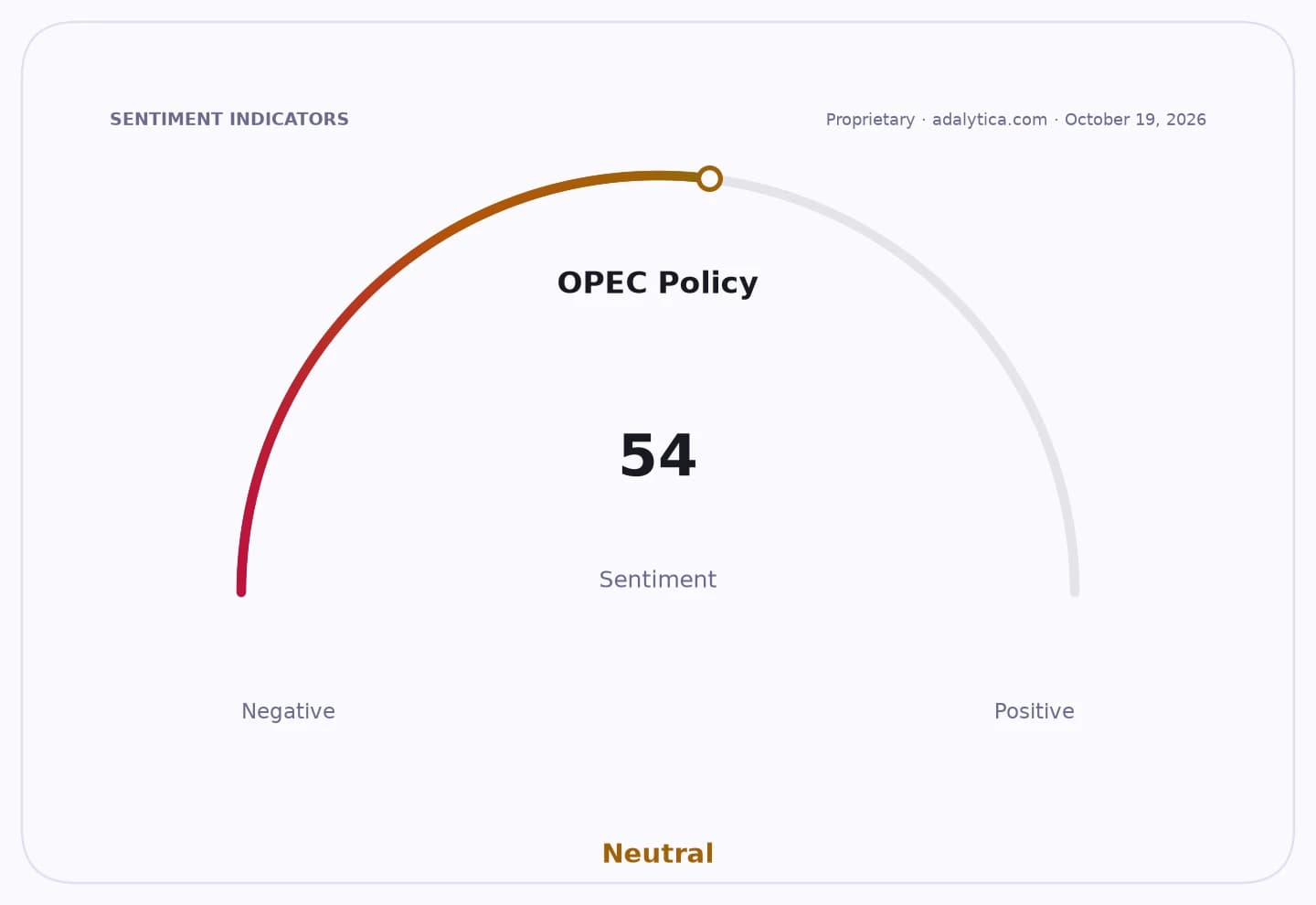
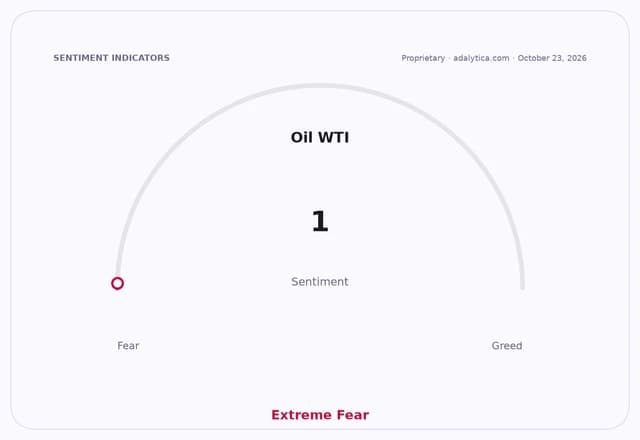
Sentiment IndicatorsⓘProprietary · adalytica.com · October 23, 2026
This is a snapshot — live sentiment, awareness and momentum for 130+ markets update continuously in the dashboard.Open AlphaPulse
Brent futures for December delivery were last down 2.2% at $107.34 a barrel, after settling at $108.14 on Friday and touching $109.34 earlier in the session. West Texas Intermediate was changing hands at $96.97. The move came after President Donald Trump’s decision to grant exemptions from sanctions and tariffs tied to Russia raised expectations that Russian crude and fuel could flow more freely into global markets.
At the same time, OPEC trimmed its estimate for 2026 global oil demand growth to about 200,000 barrels a day, roughly half the pace it had projected in September. That revision is important because it tells the market the demand side is not keeping up with the bullish supply narrative. Even with maritime risks in the Middle East still active, the cartel is acknowledging a slower growth environment, and that is a powerful message for crude bulls.
The backdrop is still messy. There were fresh concerns around regional security after reports of attacks on tankers in the Gulf and incidents near key export routes, while Iranian officials continued to signal they are open to diplomacy even as they warned of readiness for another strike. But for now, the market is focusing on the arithmetic of barrels: more possible supply from Russia, less demand growth from OPEC’s own outlook.
That combination has direct implications across asset classes. Lower crude prices would ease some pressure on fuel-sensitive sectors and could cool inflation expectations, but they also cut into the earnings leverage of oil producers and energy service names. For energy investors, the question is no longer whether oil can stay elevated in a geopolitically tense world; it is whether the marginal barrel is coming back faster than consensus expects.
Technically, Brent is now watching the $107.18 area as support and $109.60 as resistance, suggesting the market is at a decision point rather than in a clean trend. If support fails, the next leg lower could force a broader unwinding in oil-linked ETFs and producers. If it holds, the market may still be willing to pay up for risk — but the burden of proof has shifted to the bulls.
The trade from here is straightforward: investors should respect the downside risk in crude as supply expectations soften and demand forecasts are cut. In our view, the better positioning is to favor lower-input-cost beneficiaries and be selective with energy exposure until the market shows that demand can justify prices above $107.
| Entity | Gains | Losses |
|---|---|---|
| Airlines and transport firms | ▲Lower fuel costs | ▼Less hedge urgency |
| Oil producers | ▲Higher prices | ▼Price pressure |
| Consumers and importers | ▲Cheaper energy | ▼None |
| Brent bulls | ▲Geopolitical premium | ▼Demand revision risk |