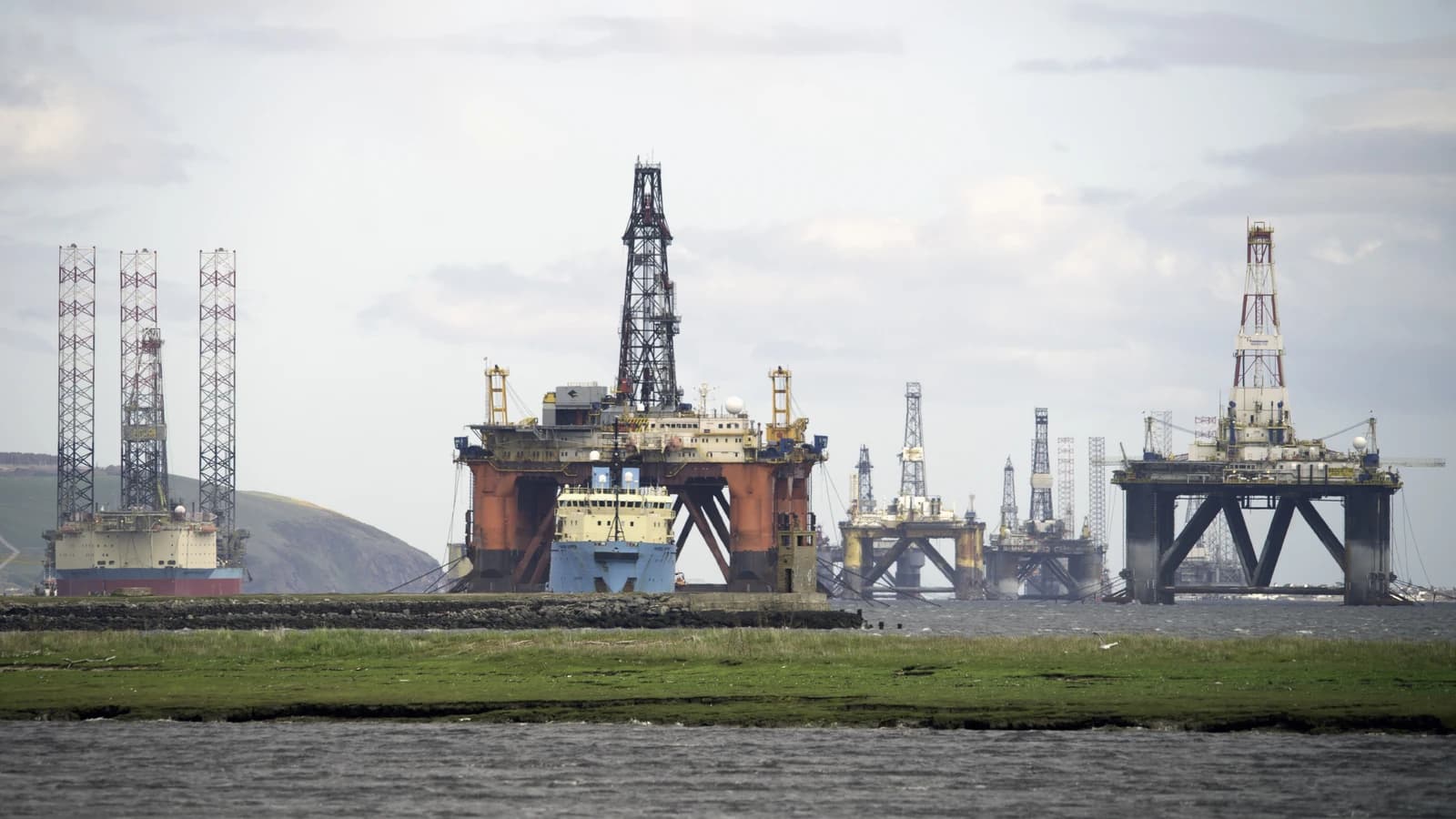
The UK government is under renewed pressure to approve the Rosebank oil and gas field after backing Jackdaw, a decision that would signal whether Labour is willing to support new North Sea production or continue tightening the policy shift away from fossil fuels.
UK Rosebank Decision Follows Jackdaw Approval
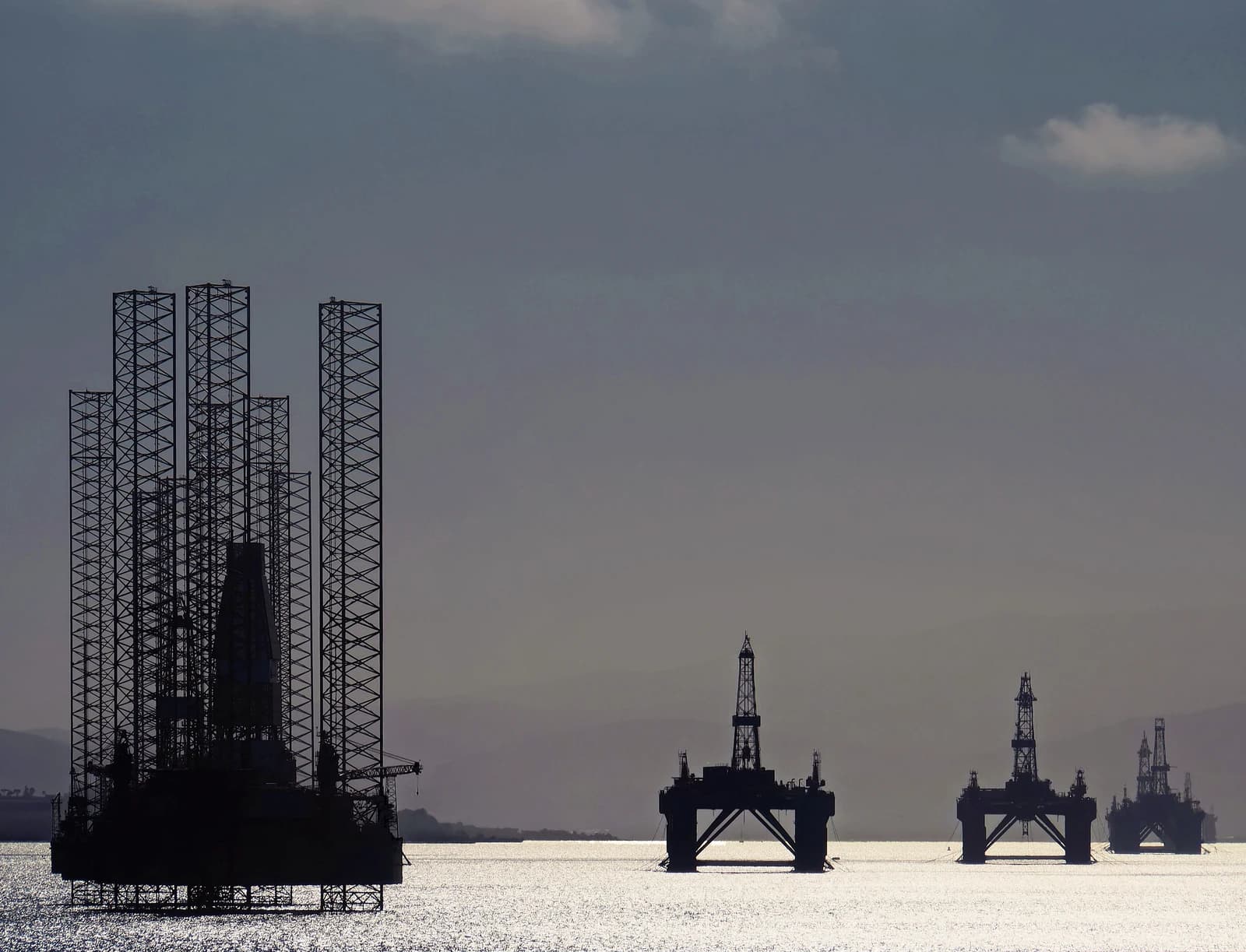
The economic stakes are immediate. Jackdaw, operated by Adura, the Shell-Equinor joint venture, is expected to add about 6% to domestic gas output at peak, safeguard hundreds of jobs and deliver an estimated £2.9 billion economic boost. Adura’s chief executive, Neil McCulloch, said the field represents £2.1 billion of investment and could heat the equivalent of 1.4 million UK homes at peak production, underscoring why industry sees the project as part of Britain’s energy security rather than just another upstream development.
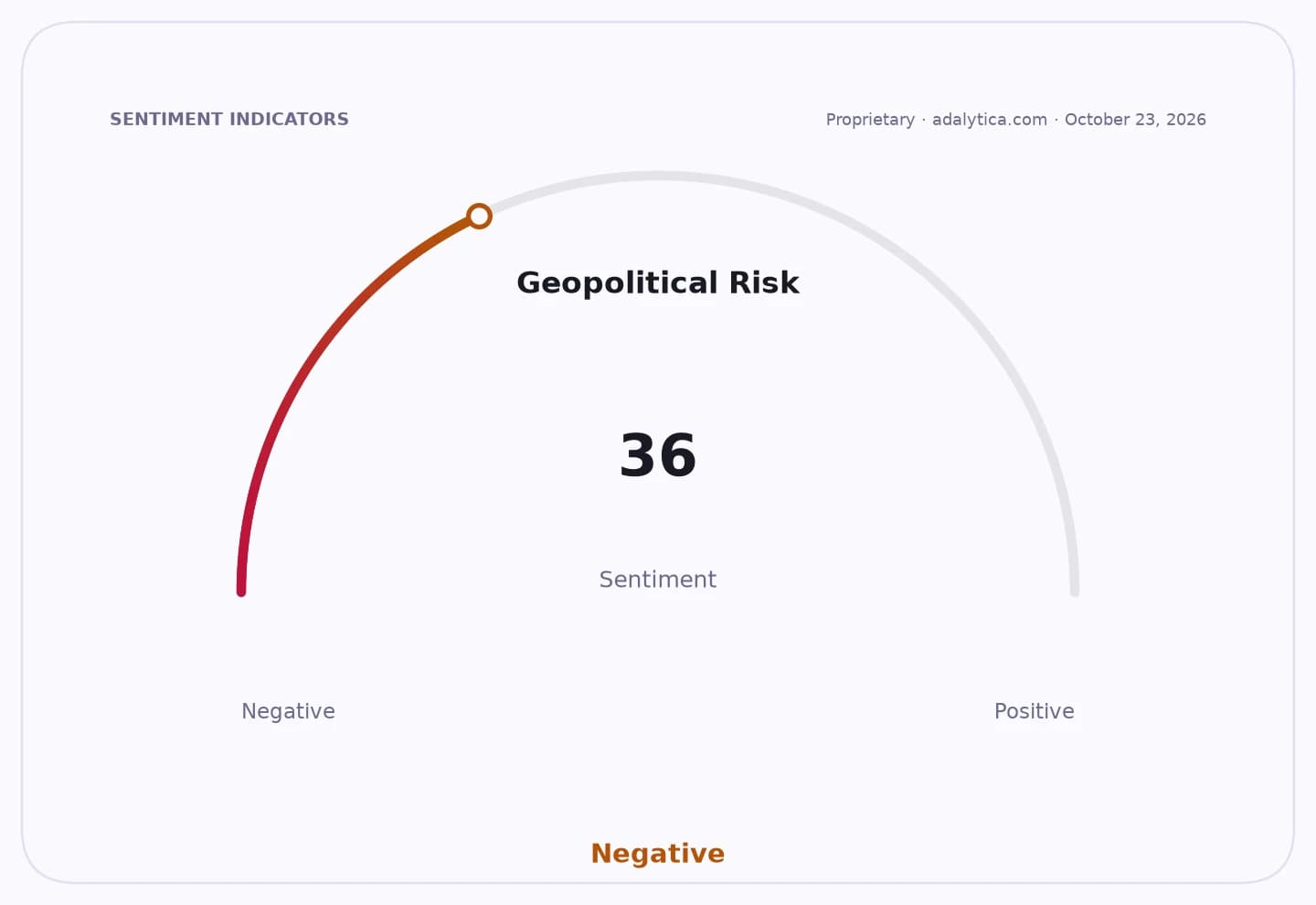
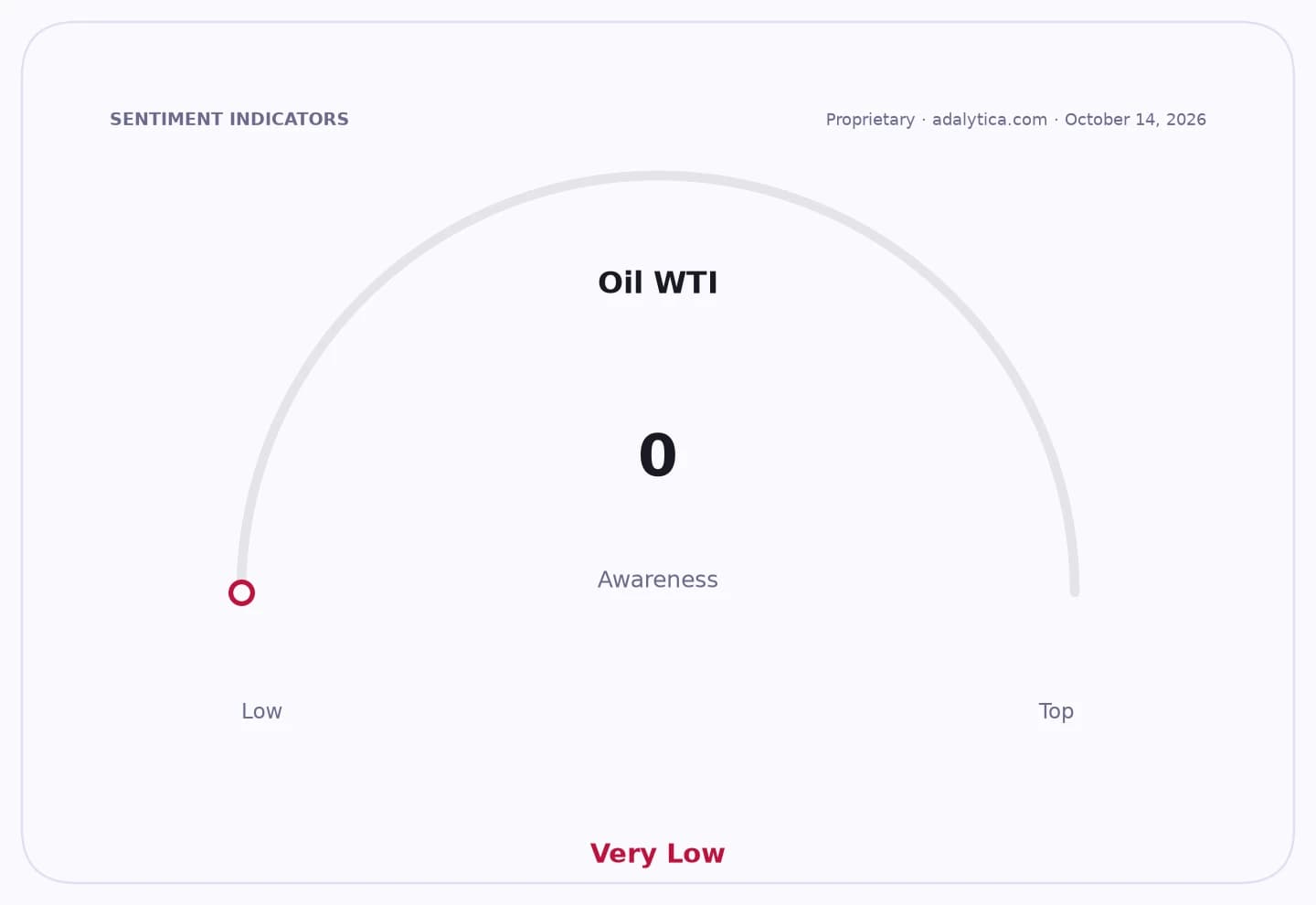
Sentiment IndicatorsⓘProprietary · adalytica.com · October 28, 2026
This is a snapshot — live sentiment, awareness and momentum for 130+ markets update continuously in the dashboard.Open AlphaPulse
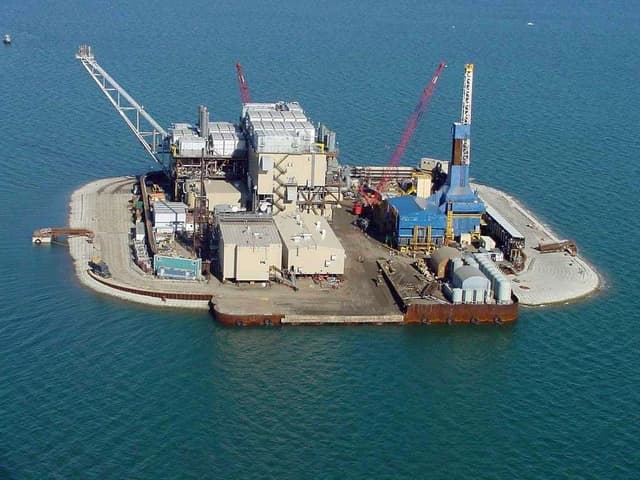
Rosebank is the bigger prize and the more politically fraught one. It is described as the largest untapped oil field in the North Sea, and a decision in its favor would strengthen the case that the government is still willing to back domestic hydrocarbons even as it keeps net zero by 2050 as a formal target. A rejection, by contrast, would reinforce Labour’s break with the pro-drilling stance of previous governments and could harden investor doubts about the future of UK offshore approvals.
The timing matters for markets as well as politics. Brent crude has been trading near multi-month highs, while oil-price volatility and Middle East supply disruption have kept energy security at the center of policy debates. Against that backdrop, North Sea investment is being framed less as a climate issue than as a hedge against imported fuel risk, especially as the UK tries to manage its transition without worsening exposure to external shocks.
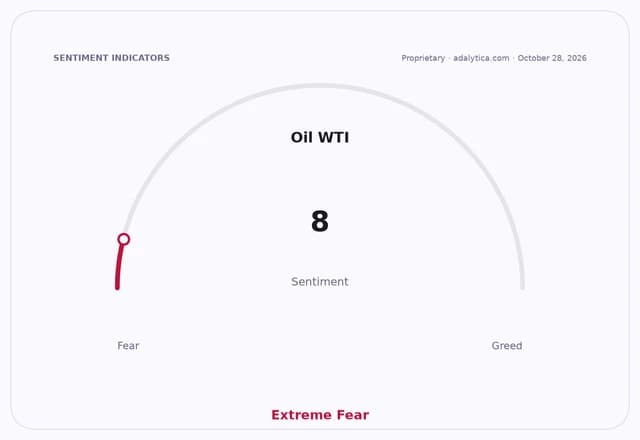
Investors in the major North Sea players are watching the signal, not just the asset. Shell and Equinor have already won the Jackdaw approval, and both are tied to the Rosebank process through Adura. Shell shares have been trading above their 50-day and 200-day moving averages, while Equinor’s stock has also remained technically firm, suggesting the market is still assigning value to upstream cash flow and project optionality despite policy uncertainty.
For now, the core narrative is whether the government’s approval of Jackdaw marks the start of a more pragmatic North Sea policy or simply a one-off exception. If Rosebank is approved, it would likely be read as a broader endorsement of domestic production. If it is rejected, investors will likely conclude that UK upstream permitting remains highly selective, with implications for capital allocation, regional employment and the long-term economics of North Sea development.
| Entity | Gains | Losses |
|---|---|---|
| Adura / Shell / Equinor | ▲Project approvals; future output | ▼Policy uncertainty if Rosebank is rejected |
| UK government | ▲Energy-security credibility | ▼Climate critics if approvals expand |
| UK consumers / industry | ▲More domestic gas supply | ▼Little, if import dependence persists |
| Environmental campaigners | ▲If Rosebank is rejected | ▼If North Sea approvals broaden |