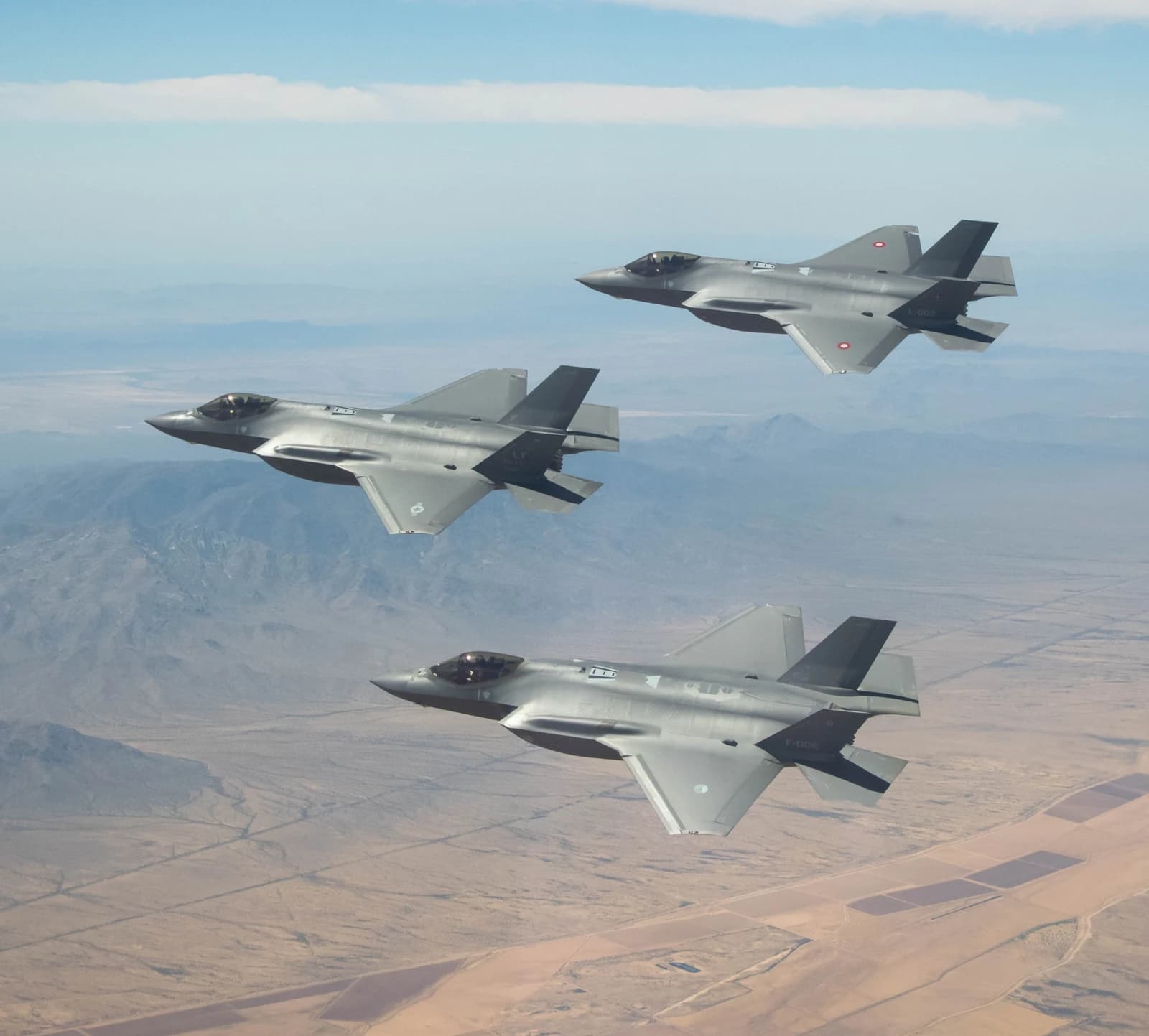
Britain’s defence debate is shifting from rhetoric to readiness, and the most important development is a warning that the UK still lacks enough ships, submarines and anti-submarine warfare capacity to defend the Arctic High North against Russia.
UK Defence Gaps in Arctic Boost Contractors
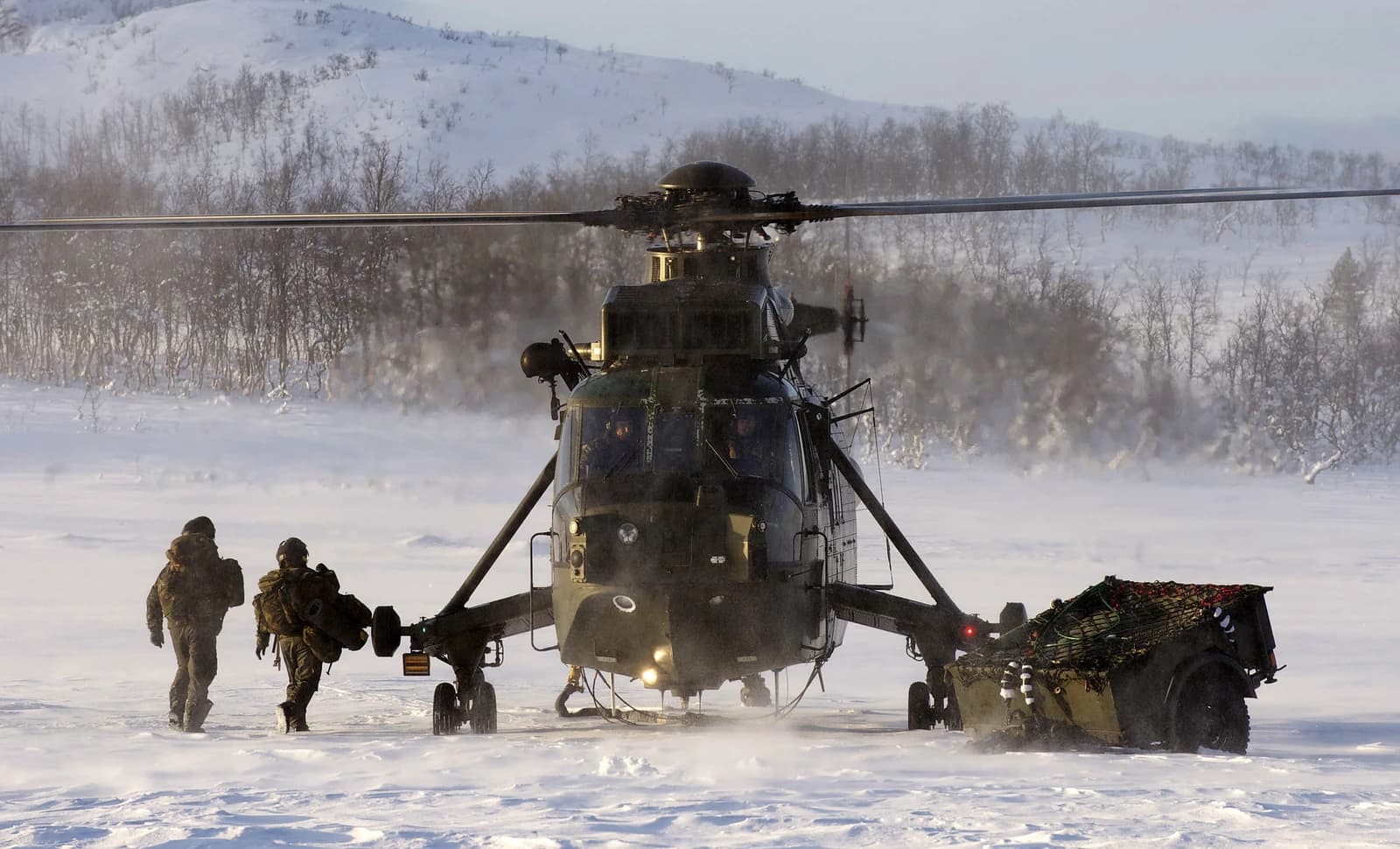
That matters because the High North is no longer a distant map feature. It is a strategic corridor for Atlantic supply routes, nuclear deterrence and the underwater cables and pipelines that keep the UK’s data and energy systems running. If those assets are exposed, the economic damage would spread far beyond the military sphere, raising risks for trade, power security and investor confidence.
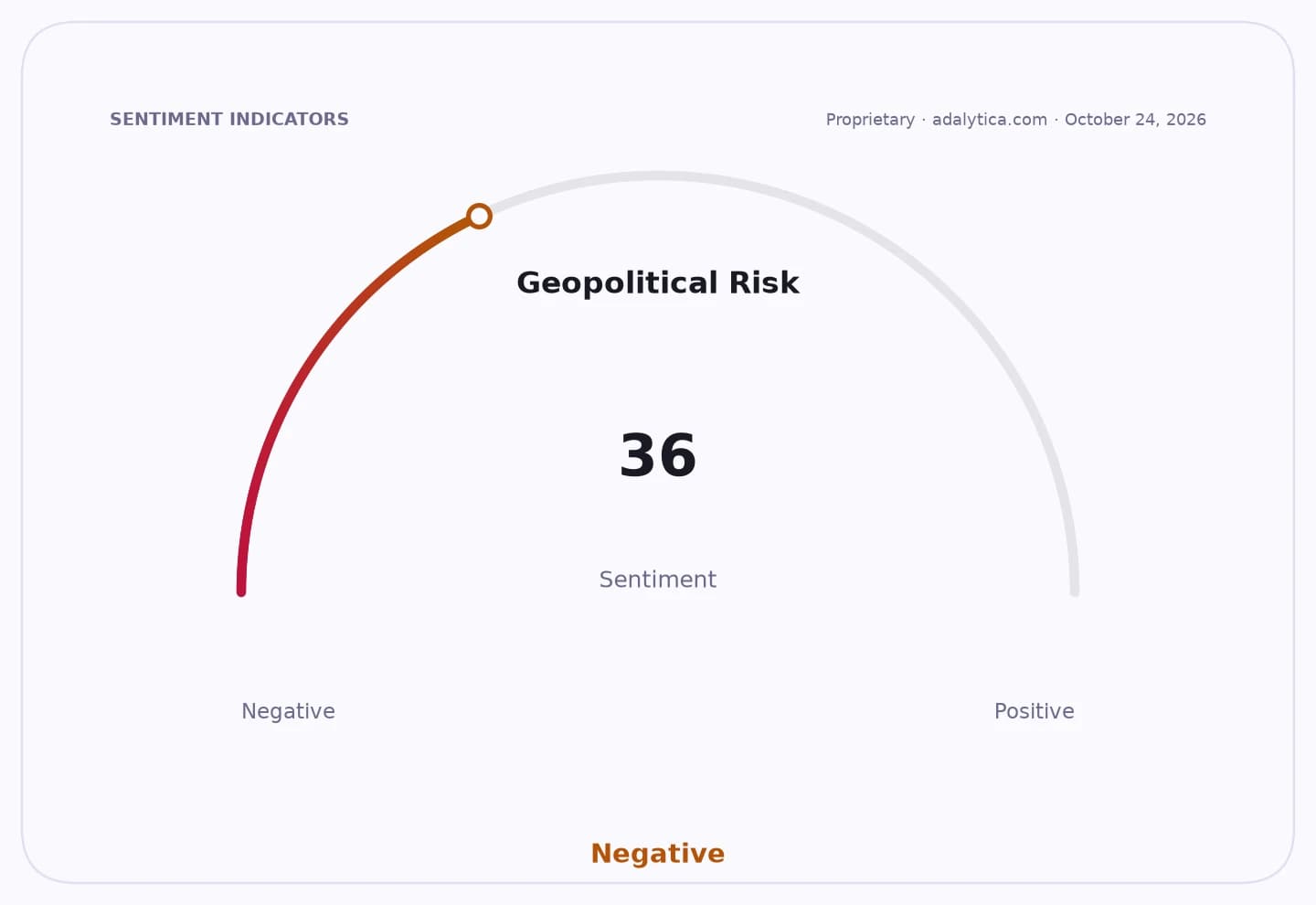
Sentiment IndicatorsⓘProprietary · adalytica.com · October 27, 2026
This is a snapshot — live sentiment, awareness and momentum for 130+ markets update continuously in the dashboard.Open AlphaPulse

The Commons Defence Committee said the UK has “glaring gaps” in the region and urged ministers to bolster forces there by 2030, the same horizon former prime minister Sir Keir Starmer has linked to a possible Russian attack on NATO. The timing is awkward for Labour, which has delayed a spending review and pushed back a decision on the defence investment plan until next year in hopes the economy improves.
For investors, the message is straightforward: this is another reminder that Europe’s defence rearmament cycle is not a short-lived trade but a multi-year budget shift. If Britain moves closer to the Conservative demand for defence spending of 3% of GDP by 2030, the beneficiaries are likely to be the big contractors with the scale to win long-cycle naval, submarine and surveillance work.

That is why the market keeps circling names such as BAE Systems, Lockheed Martin and Northrop Grumman. Their share prices have already reflected the broad re-pricing of defence demand, with BAE Systems trading around 108.34, up from 103.33 on Oct. 23 and above its 50-day moving average of 105.43. Lockheed Martin closed at 625.83, while Northrop Grumman finished at 552.78, both after sharp swings this year that show how sensitive the sector is to procurement expectations and policy headlines.
The underlying industrial story is even bigger than one report. The committee said Britain has only five Type 23 frigates and six Type 45 destroyers in service, well short of its requirement, while the new Type 26 program is moving slowly. It also warned of a “shockingly low availability” of submarines and said the UK may have temporarily lost the ability to operate beneath Arctic ice.
Those are not just military shortcomings. They point to a strained procurement pipeline, aging assets and the need for sustained capital spending, the kind of environment that tends to favor contractors with deep backlogs, proven systems and exposure to long-duration government programs. Defence stocks usually do not move in a straight line, but this kind of policy pressure tends to compound over years, not quarters.
There is also a geopolitical twist that investors should not miss. As sea ice melts, the Arctic is becoming more accessible for shipping and resources, which means competition is rising just as Russia is trying to exploit the region. That makes the case for persistent Western defence spending stronger, not weaker, even if budgets are politically contentious at home.
For long-term investors, the takeaway is less about chasing a one-day bounce and more about recognizing a secular trend: Europe is rearming, and Arctic security is becoming part of that bill. Defence contractors with exposure to submarines, maritime surveillance and allied procurement deserve a place on the watchlist, especially if governments keep moving toward higher spending targets.
| Entity | Gains | Losses |
|---|---|---|
| BAE Systems, Lockheed Martin, Northrop Grumman | ▲More procurement demand | ▼Budget delays |
| UK defence planners | ▲Greater urgency for upgrades | ▼Capability gaps remain |
| Russia | ▲Strategic pressure if NATO retools | ▼Freedom of action in Arctic |
| UK taxpayers / Treasury | ▲Potential long-term security | ▼Higher defence spending burden |