The European Union is moving to buy more icebreakers and harden surveillance of undersea cables, turning the Arctic into a frontline of infrastructure security and geopolitical competition with Russia and China.
EU Plans More Icebreakers and Undersea Cable Security
That shift matters economically because the Arctic is no longer just a strategic backdrop. It is a corridor for energy transport, data cables and shipping routes that connect Europe to global markets, and a region where disruptions could carry real costs for trade, communications and defense spending. By framing icebreakers as shared European assets, Brussels is effectively signaling that Arctic security is becoming a collective procurement priority rather than a national niche.
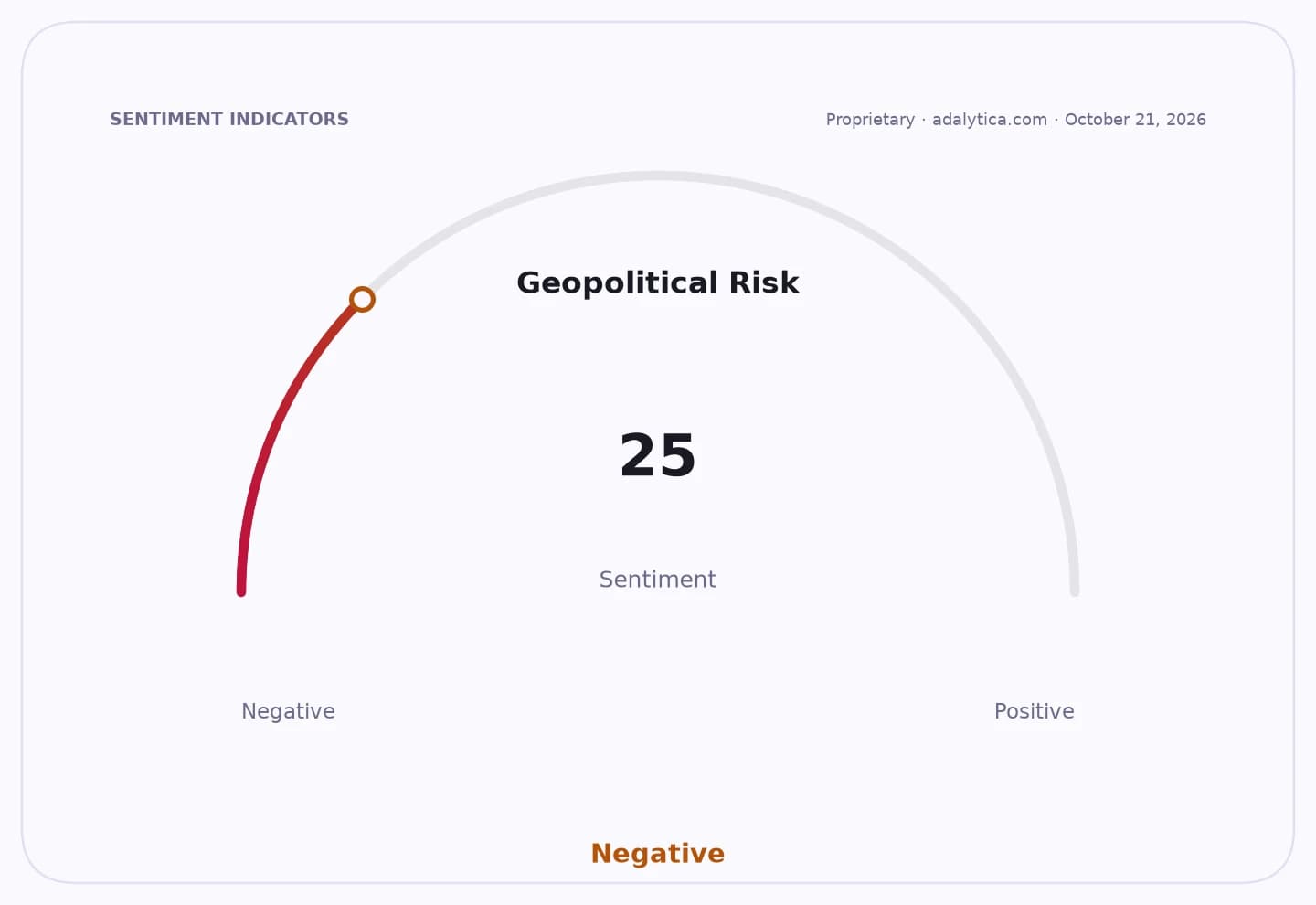
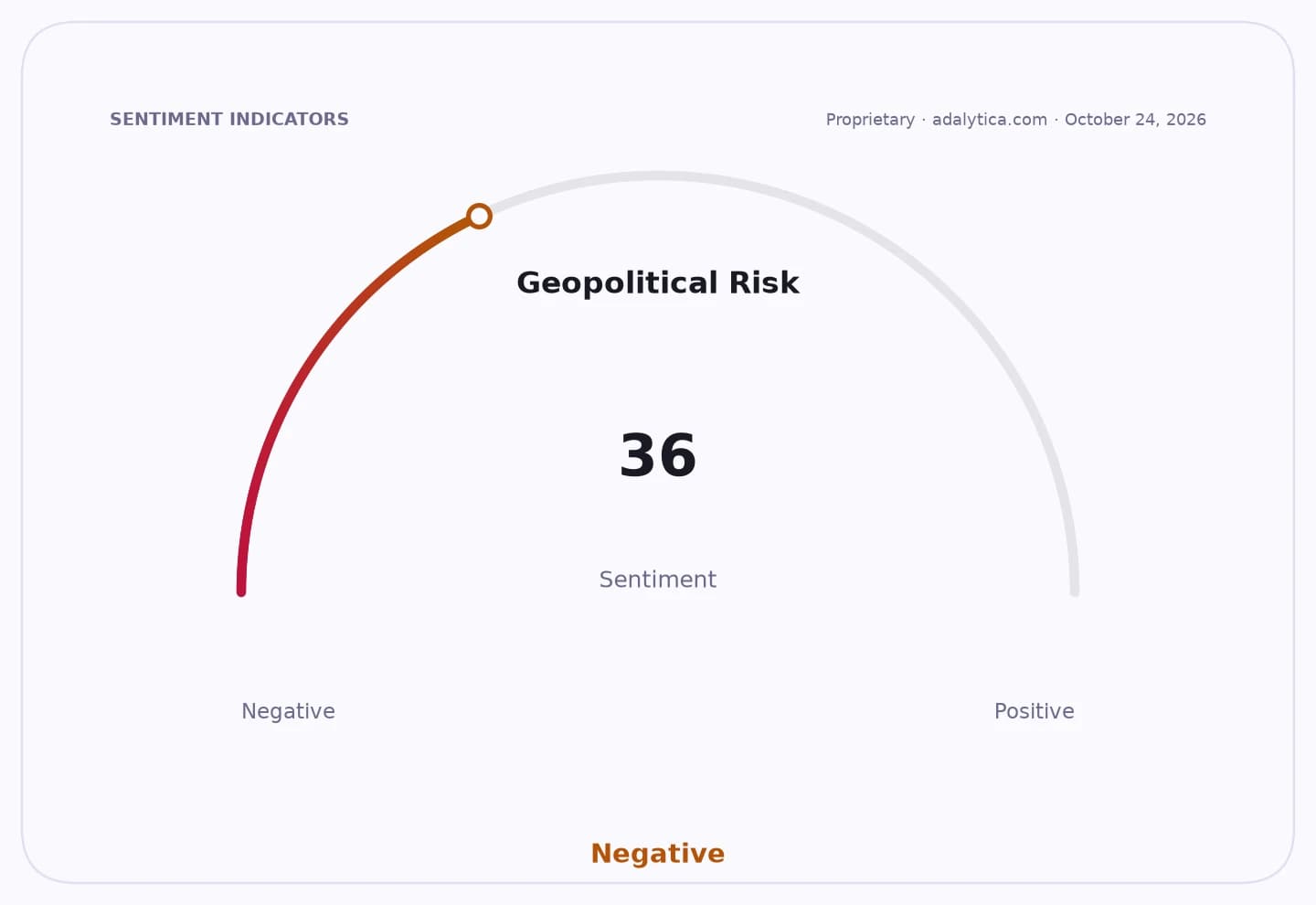
The strategy is also a response to a wider deterioration in global stability. Adalytica’s Global Stability Sentiment gauge has dropped to 36, in neutral territory, while awareness remains at an extreme-fear reading of 11, underscoring how quickly geopolitical risk is re-pricing in markets. In practical terms, that environment tends to favor companies linked to security, surveillance and critical-infrastructure protection, while adding a defensive premium to sovereign spending plans.
For investors, the immediate read-through is not limited to defense names. Icebreakers are specialized vessels that require heavy engineering, propulsion systems, steel, power electronics and long-cycle shipbuilding capacity, opening potential spillovers for industrial suppliers and Nordic shipyards if the EU pushes pooled procurement. The cable-monitoring component also reinforces the investment case for firms exposed to maritime sensors, satellite oversight and cyber-physical security.
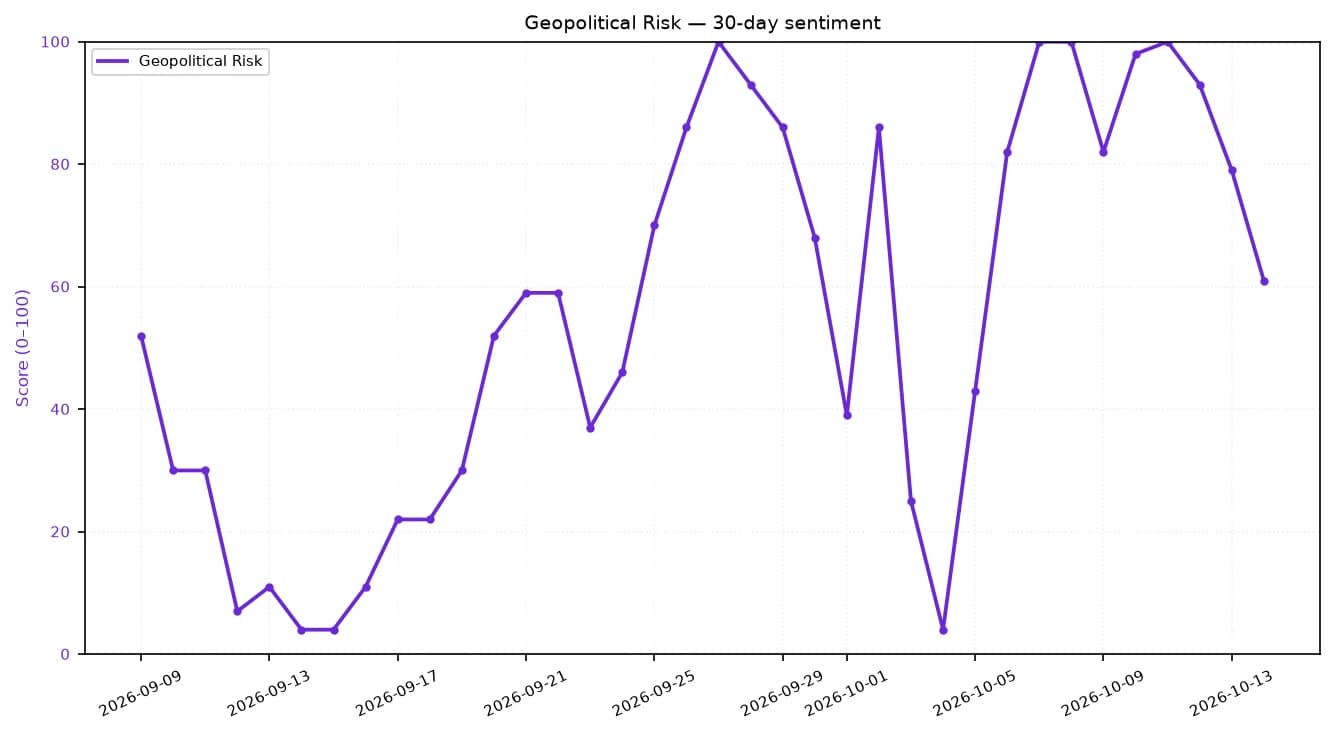
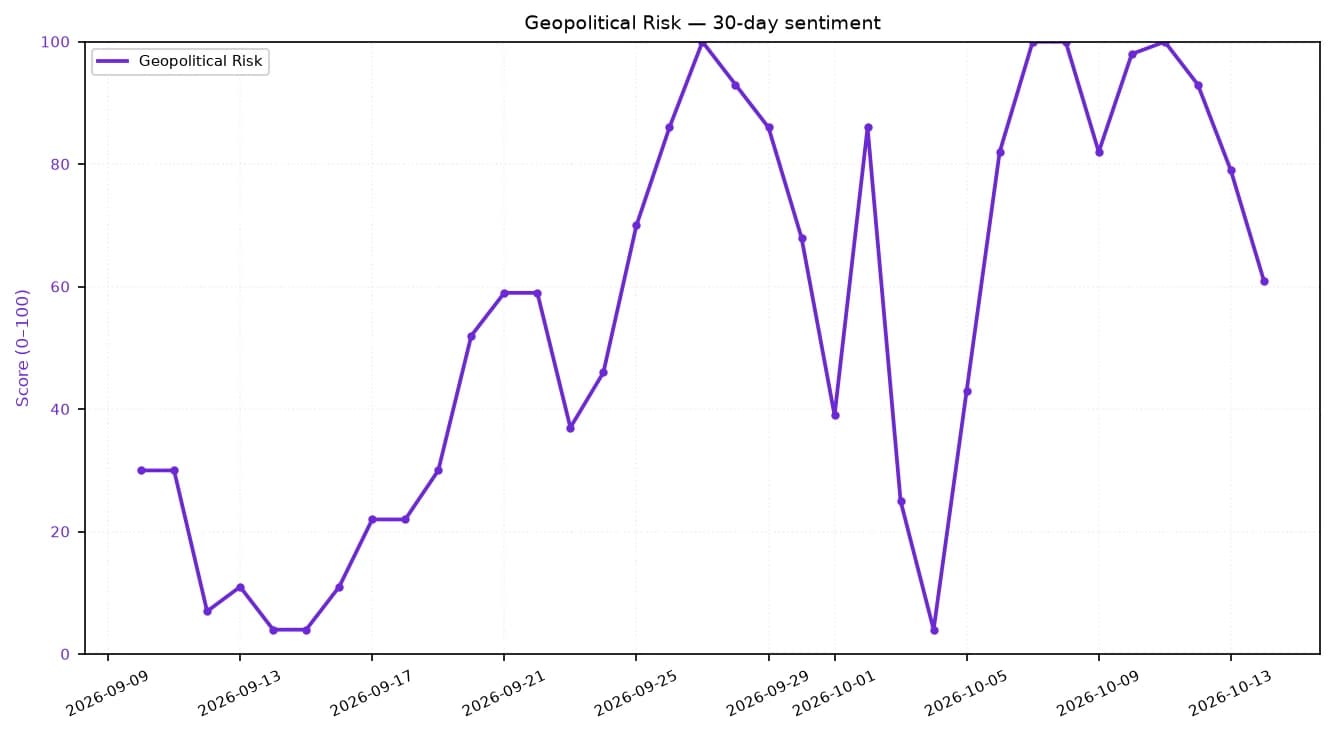
Geopolitical Risk — 30-day sentimentadalytica.com
Explore this data interactively — full history, time series and cross-market comparisons.Open AlphaPulse
The policy comes as Europe seeks to reduce dependence on vulnerable routes and assets in the High North after Russia’s war in Ukraine reshaped regional security calculations. Moscow retains a large Arctic military footprint, while China has sought a greater presence in the region under the guise of scientific and commercial interests. The EU’s answer is to widen its own toolkit: more ships, more monitoring and a clearer willingness to treat infrastructure protection as a core security function.
That is a structural change, not a one-off announcement. If Brussels follows through, the result could be a steadier flow of public orders for ice-capable vessels and related systems, but also higher fiscal commitments at a time when many European governments are already under pressure to raise defense outlays. The bull case is that this becomes a durable investment cycle in Arctic resilience. The bear case is that procurement moves slowly, budgets remain fragmented and security ambitions outpace industrial capacity.
For markets, the key catalyst will be whether the strategy translates into joint contracts, timelines and funding. If it does, the Arctic could evolve from a diplomatic symbol into a real spending theme.
| Entity | Gains | Losses |
|---|---|---|
| EU shipbuilders and marine suppliers | ▲New procurement demand | ▼Budget uncertainty |
| European security contractors | ▲More surveillance contracts | ▼Longer sales cycles |
| Russia | ▲Strategic pressure | ▼Regional freedom of action |
| China | ▲Less Arctic access | ▼Greater scrutiny |