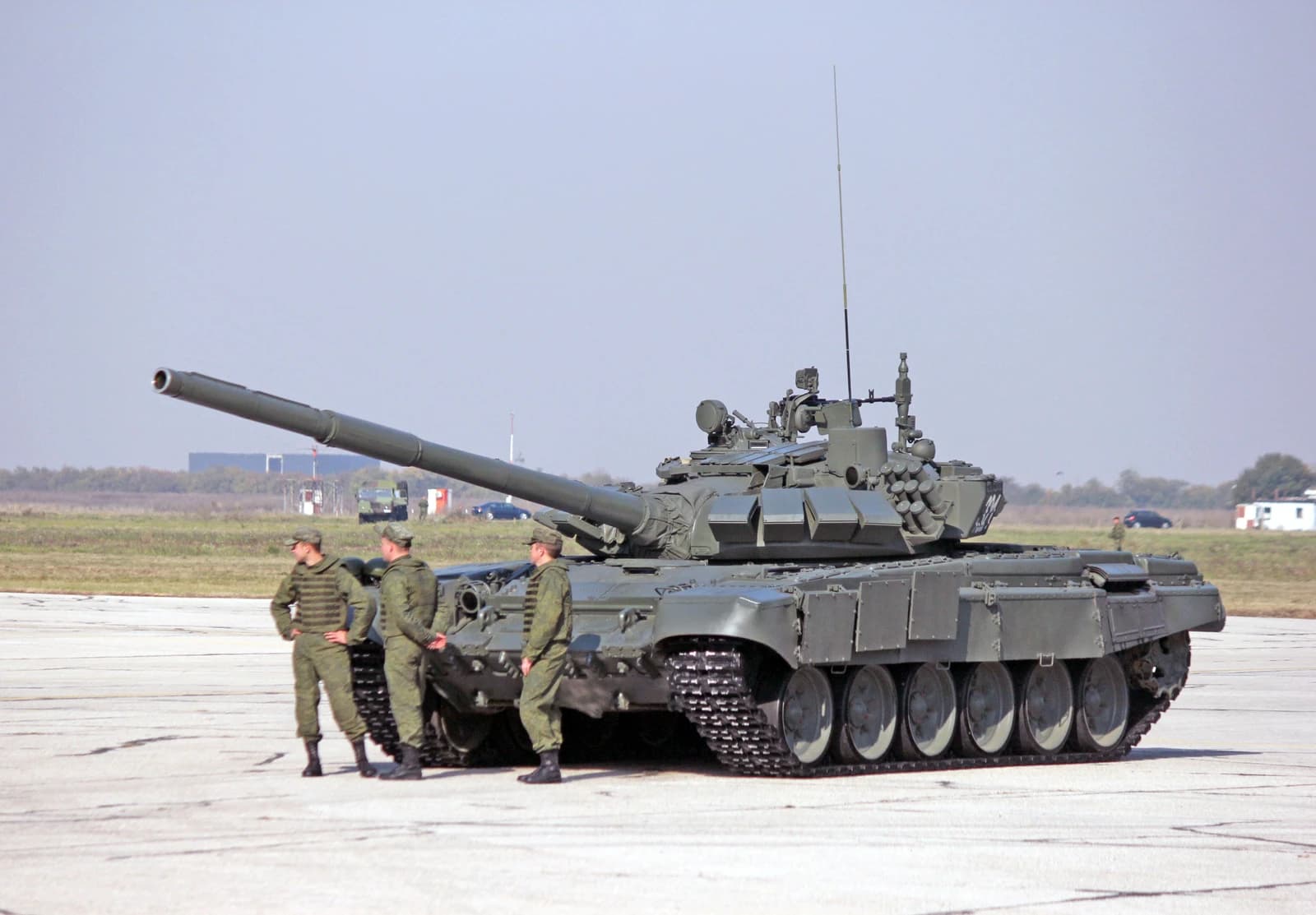
NATO has begun a broad planning push for a possible direct confrontation with Russia by 2029, a shift that could drive a new round of European defense spending and reshape demand across the continent’s military supply chain.
NATO Plans for Possible Russia Conflict by 2029

The move matters economically because it turns a geopolitical risk into a budgeting imperative. European officials, according to Politico, fear Russia could be ready for a potential conflict within four years, while a possible reduction in U.S. forces and support in Europe would leave allies to fill gaps in long-range missiles, intelligence and heavy airlift. That would force governments to commit to higher outlays not just on weapons, but on command systems, stockpiles, logistics and industrial capacity.
Sentiment IndicatorsⓘProprietary · adalytica.com · October 23, 2026
This is a snapshot — live sentiment, awareness and momentum for 130+ markets update continuously in the dashboard.Open AlphaPulse

The strategic backdrop is also changing the defense debate inside the alliance. Ukraine’s war has accelerated calls for mass drone deployment and artificial intelligence, even as European militaries struggle with manpower shortages. At the same time, southern members are pushing back against what they see as an over-concentration of NATO resources on the eastern and northern flanks, underscoring how hard it will be to translate threat perception into a unified spending plan.
For investors, the headline reinforces a medium-term re-rating case for European and U.S. defense contractors, even after a strong run in the sector. Lockheed Martin rose to 589.91 on Oct. 22, up from 548.71 two days earlier, with its relative strength index above 82, a sign the stock has become technically stretched after the latest move. Northrop Grumman climbed to 552.35, while RTX stood at 194.71, all reflecting sustained market expectations for higher defense budgets and replenishment demand.
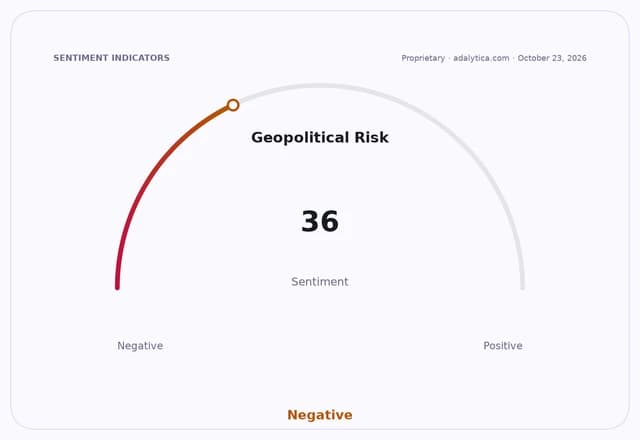
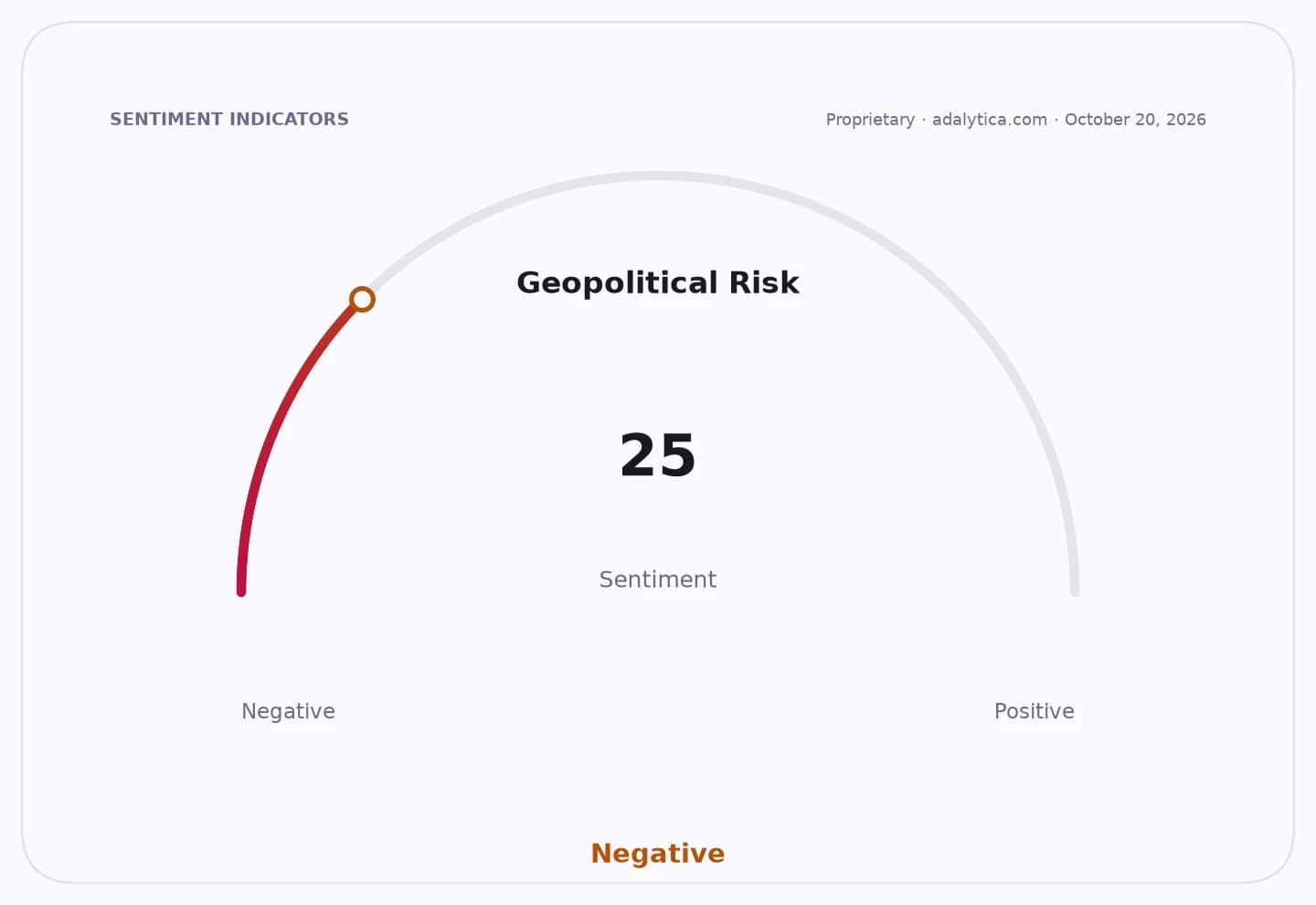
The macro backdrop supports that view. Brent-linked oil risk indicators in Adalytica’s oil market snapshot show extreme fear, while its global stability gauge remains in neutral territory but with very low awareness, suggesting investors are still underpricing the possibility of a broader security shock. Higher defense spending would also reinforce the case for tighter fiscal policy in Europe at a time when borrowing costs remain elevated, with U.S. 10-year Treasury yields around 5.13%.
The bull case for defense names is straightforward: a multi-year NATO rearmament cycle, greater European self-sufficiency and continued demand for missiles, air defenses, drones and command-and-control systems. The bear case is that alliance politics, budget constraints and procurement delays slow actual contract awards, leaving markets to price in urgency faster than orders arrive.
For now, the key takeaway is that NATO’s planning is moving from deterrence rhetoric to operational preparation. If that planning hardens into binding force and procurement targets, it would mark one of the most consequential defense spending shifts in Europe since the Cold War.
| Entity | Gains | Losses |
|---|---|---|
| NATO defense contractors | ▲Higher order flow | ▼Procurement delays |
| European governments | ▲Greater deterrence | ▼Larger budget burden |
| Russia | ▲Strategic leverage in talks | ▼Greater NATO readiness |
| U.S. defense exporters | ▲Potential sales growth | ▼Risk of Europe seeking autonomy |