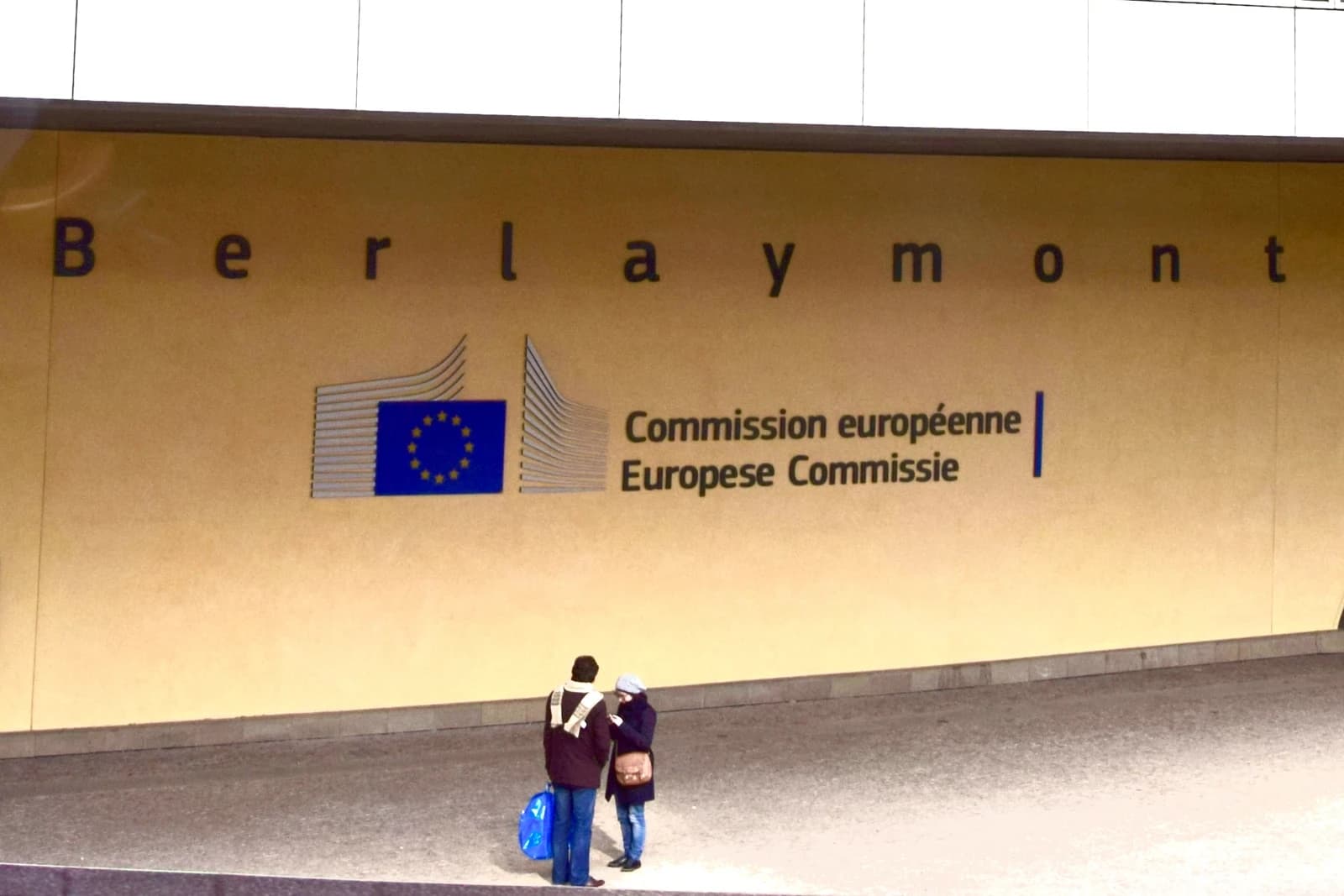
Romania is offering to help pay for the cost of keeping American troops on its soil, a sign that eastern NATO members are moving quickly to protect their US military footprint as the Pentagon reviews its presence in Europe.
Romania Offers to Pay for US Troops
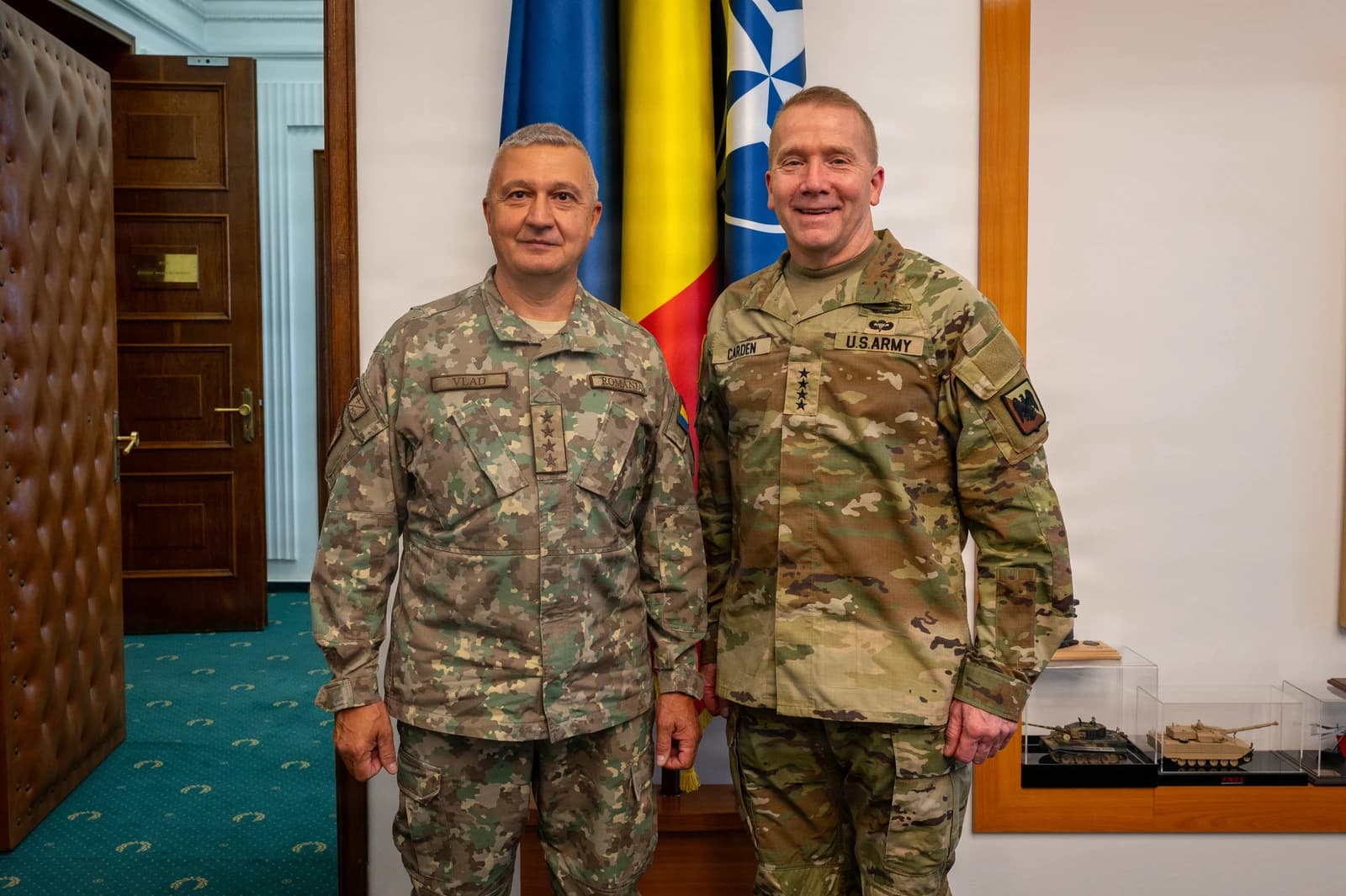
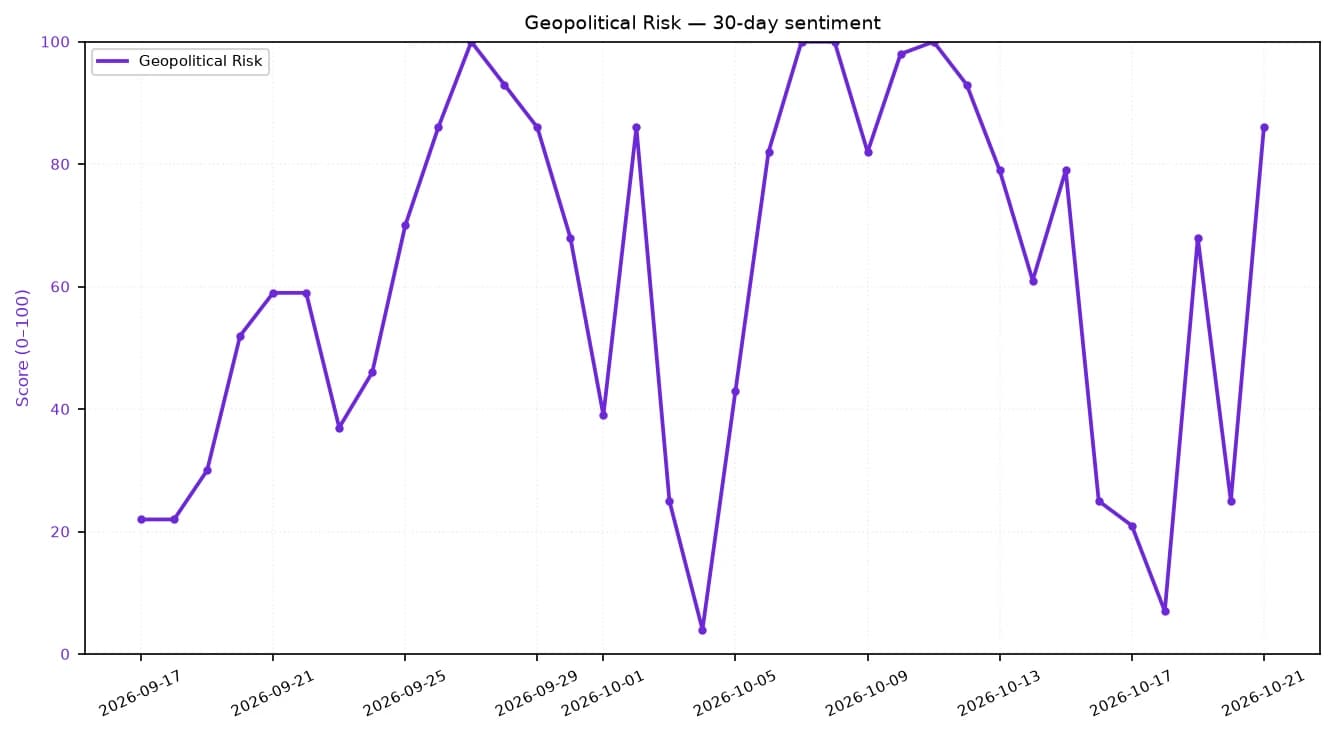
The move matters because it links hard security with hard budget choices. For Bucharest and its regional peers, a smaller US presence would raise the economic and strategic cost of defending the Black Sea and NATO’s eastern flank at a time when Russia-related risks remain elevated. For Washington, it shows that allies are prepared to subsidize deterrence, easing some of the fiscal burden as the US reassesses force levels abroad.
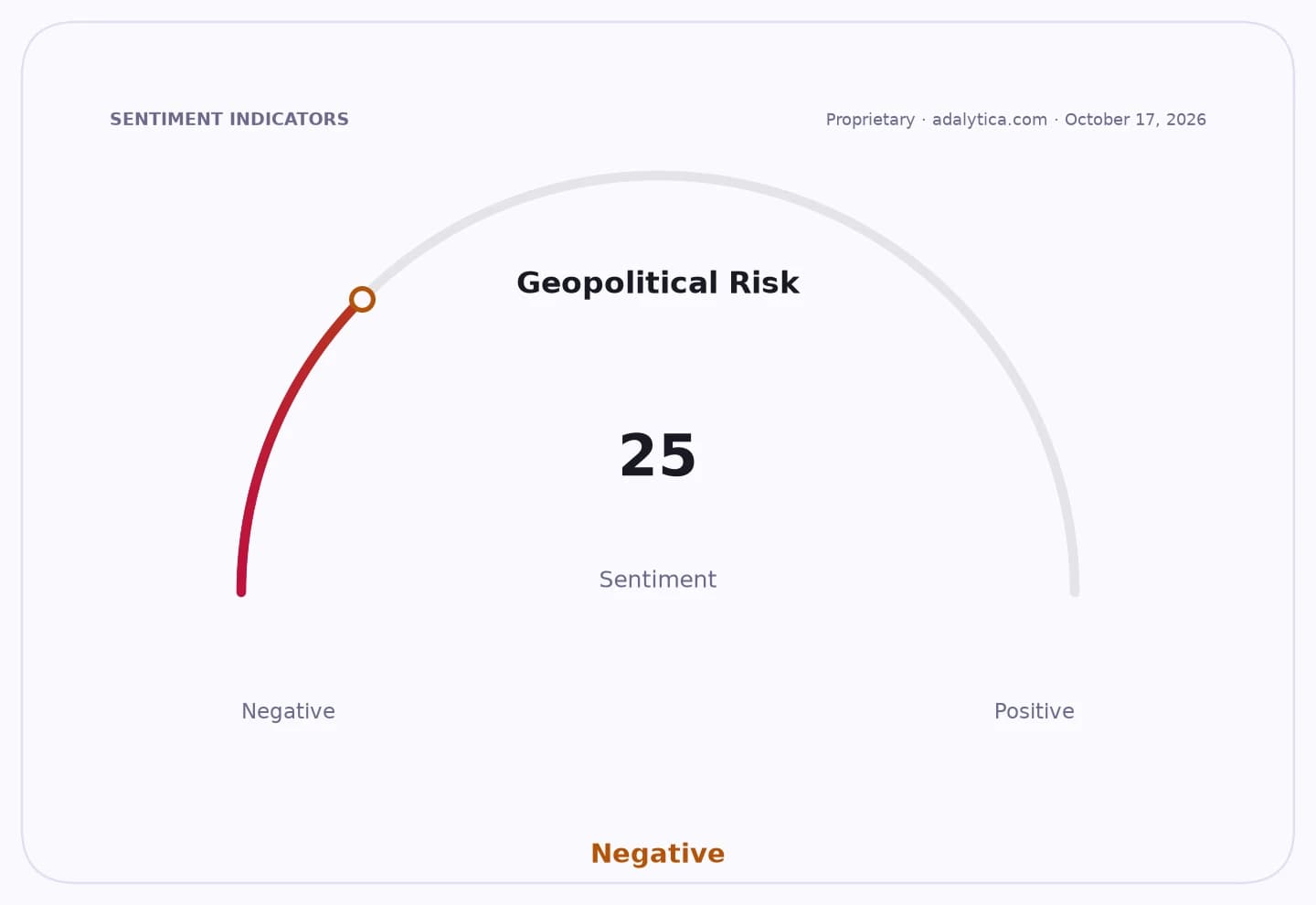
Sentiment IndicatorsⓘProprietary · adalytica.com · October 20, 2026
This is a snapshot — live sentiment, awareness and momentum for 130+ markets update continuously in the dashboard.Open AlphaPulse
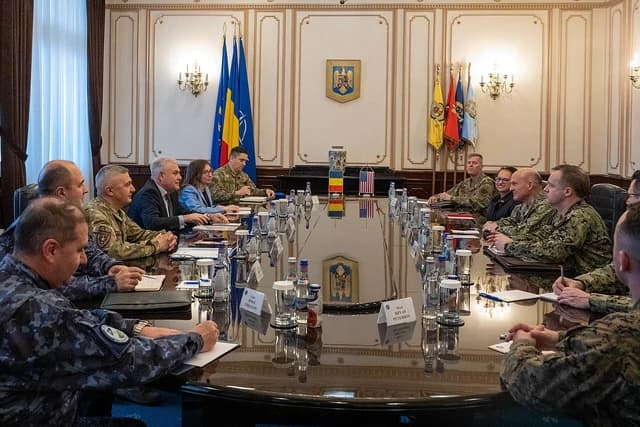
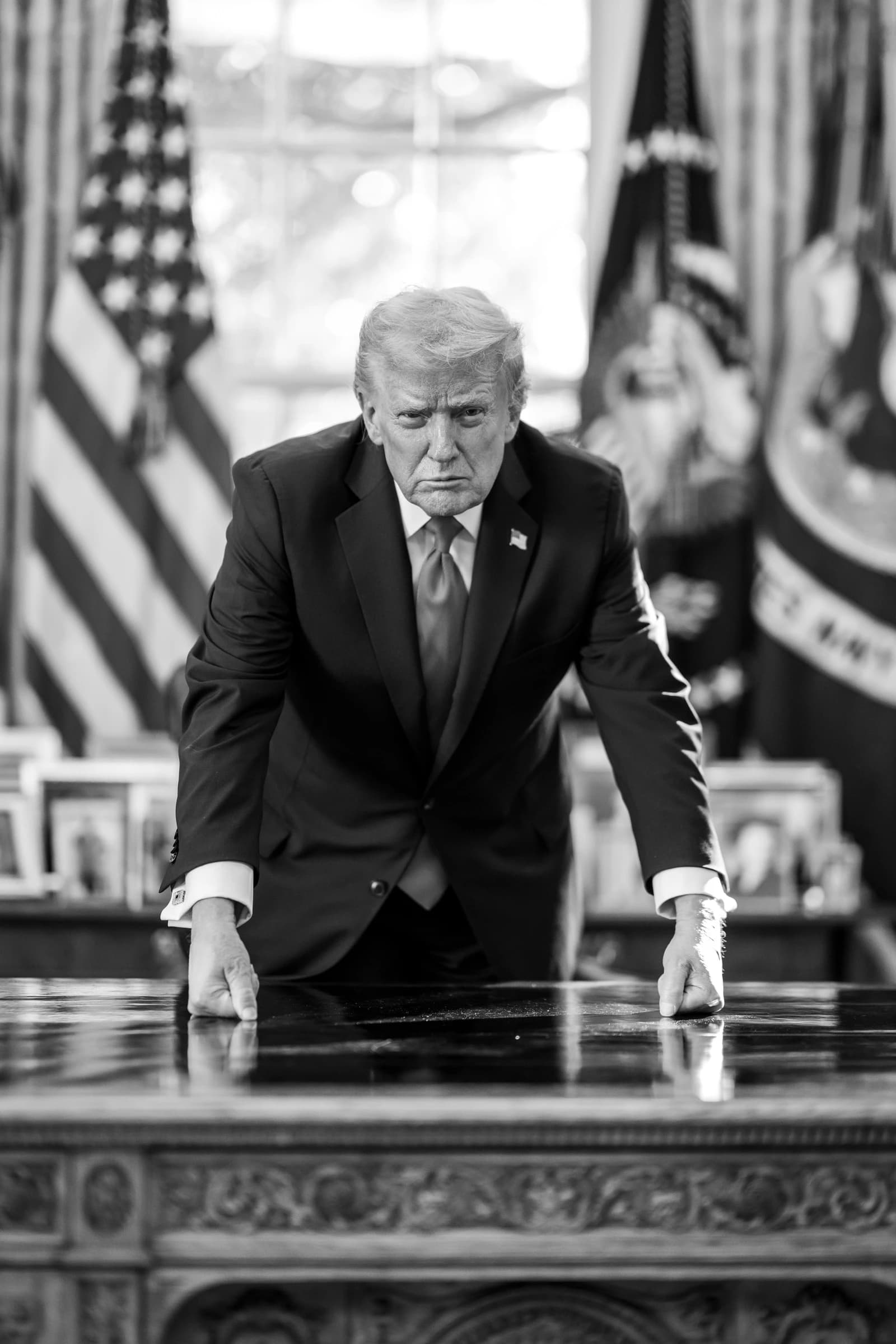
Romania has joined Poland and the Baltic states in offering financial incentives for American soldiers, according to Bloomberg reporting cited by Romanian media. The effort comes as tensions intensify around the Black Sea, where Romania hosts about 1,000 US troops at Mihail Kogălniceanu, Deveselu and Câmpia Turzii. It was also the first European country affected by earlier US reductions under Donald Trump, when Washington ended a brigade rotation at Kogălniceanu.
That history has sharpened the political urgency in Bucharest. The Pentagon is due to complete its review of the US military posture in Europe by year-end, and further withdrawals would complicate NATO’s deterrence line from the Baltic to the Black Sea. Romania’s proposal is effectively a bid to keep the alliance’s most capable force on the ground while demonstrating it is willing to share the bill.
The stakes are not just military. Romania plans to spend about 4 billion euros through 2040 on Kogălniceanu so it can host more American or allied forces, after earlier estimates of 2.5 billion euros to support up to 10,000 troops. At the same time, it wants to lift defense spending from about 2.5% of GDP to 5%, a steep increase for a country that already runs one of the largest budget deficits in the EU. That makes the retention of US troops both a security priority and a fiscal test.
The broader backdrop is a NATO that is leaning harder into deterrence. The alliance has launched its Steadfast Noon nuclear exercise, while Romania’s president said France has already offered help with drone defense in the Black Sea. That followed reports that two commercial vessels were hit by drones near Sulina, underlining how exposed the maritime corridor has become.
For investors, the implications are clearest in defense procurement and industrial capacity. Higher regional military spending should continue to benefit US and European contractors tied to air defense, base infrastructure, surveillance and munitions. The local upside is political as much as economic: countries on NATO’s front line are trying to lock in US power projection before any broader shift in Washington’s European strategy.
The bull case is that allied co-financing, bigger budgets and higher threat perception keep US forces embedded in eastern Europe for years. The bear case is that despite the offers, the Pentagon pares back some rotations anyway, forcing Romania and its neighbors to spend more for less guaranteed protection. Either way, the contest over American troops has become a test of Europe’s willingness to pay for deterrence.
| Entity | Gains | Losses |
|---|---|---|
| Romania | ▲Stronger deterrence | ▼Bigger fiscal burden |
| Poland & Baltic states | ▲Better odds of US presence | ▼Higher subsidy costs |
| US defense contractors | ▲More base and defense spending | ▼— |
| Russian military strategy | ▲— | ▼Greater NATO resistance |