Russia is rebuilding stocks of armored vehicles and self-propelled artillery at multiple storage bases, a sign that Moscow is not giving up on large-scale mechanized warfare even as it relies more heavily on infantry infiltration in Ukraine.
Russia rebuilds armored vehicle stocks near Finland
The most important part of the development is not the hardware itself, but what it suggests about Russia’s force-planning horizon. The Institute for the Study of War said satellite imagery and open-source reporting point to renewed stockpiling at at least five facilities, including tanks, infantry fighting vehicles, armored recovery vehicles and self-propelled guns. Some of the equipment is being assembled less than 200 kilometers from the Finnish border, a location that makes the buildup relevant not only to Ukraine but also to NATO’s northern flank.
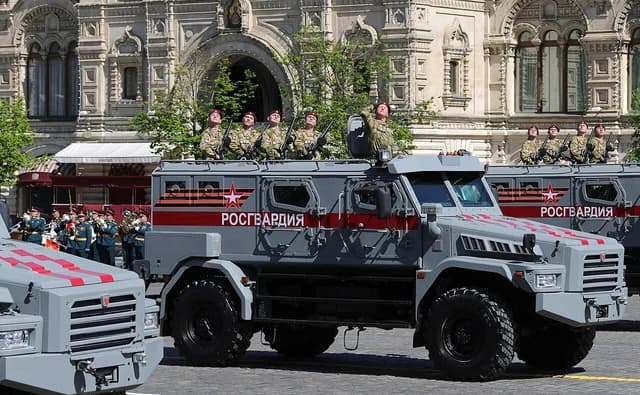
That matters economically because military reconstitution is expensive, slow and resource-intensive. Russia is still fighting a grinding war in Ukraine while simultaneously trying to restore some of the conventional armor it has burned through. Even if much of the fleet consists of refurbished rather than new vehicles, rebuilding inventories ties up industrial capacity, spare parts, transport, labor and command attention. It also implies Moscow expects the conflict environment to remain hostile enough to justify preserving a heavier armored option for later use.
For investors, the implications are broader than the battlefield. A Russia that can eventually field more armor again would keep pressure on European defense budgets, sustain demand for munitions, vehicles, air defenses and electronic warfare systems, and reinforce the case for a prolonged rearmament cycle across NATO. The clearest beneficiaries remain defense contractors, while the losers are states and companies exposed to a longer period of security risk, higher fiscal defense outlays and persistent geopolitical uncertainty.
The strategic narrative is that Russia is adapting, not demobilizing. Its current tactic in Ukraine favors small infantry groups that are less vulnerable to drones, but the stock rebuilding suggests the Kremlin wants to retain the option of returning to larger mechanized offensives if conditions change. The ISW said that could become more feasible if Moscow were to carry out a wider mobilization or if the intensity of fighting in Ukraine eased enough to free trained crews for armor formations.
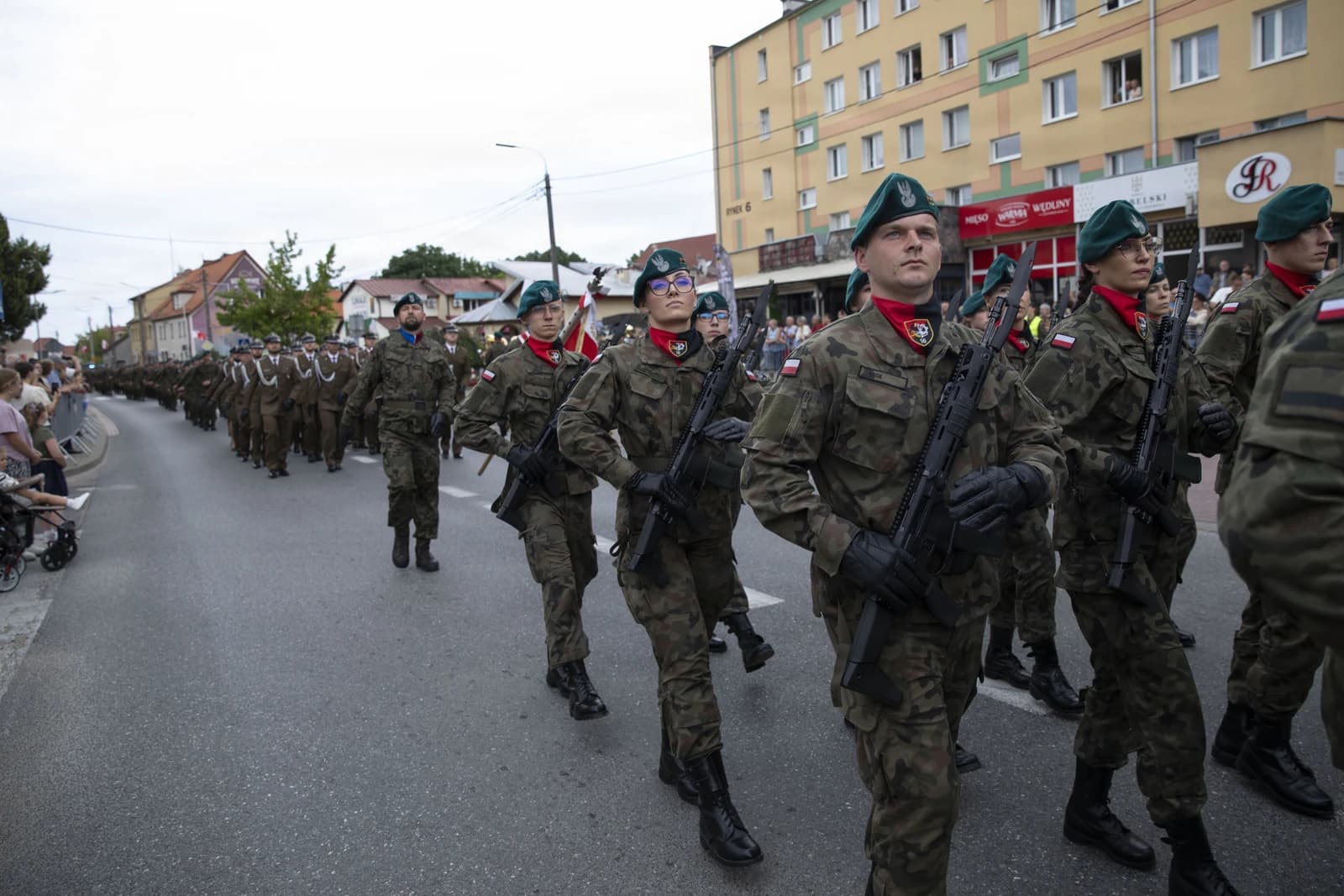
That is why the placement of some stockpiles near NATO territory matters. The move does not mean an attack on Finland or the Baltic states is imminent, and the risk of a direct ground assault remains low while the war in Ukraine continues. But it does underscore that Russia is preserving a capability set that would be relevant in a future confrontation with the alliance. In practical terms, NATO planners are being forced to assume that the war in Ukraine is not only a local conflict, but also a live test of Russia’s ability to regenerate conventional combat power.
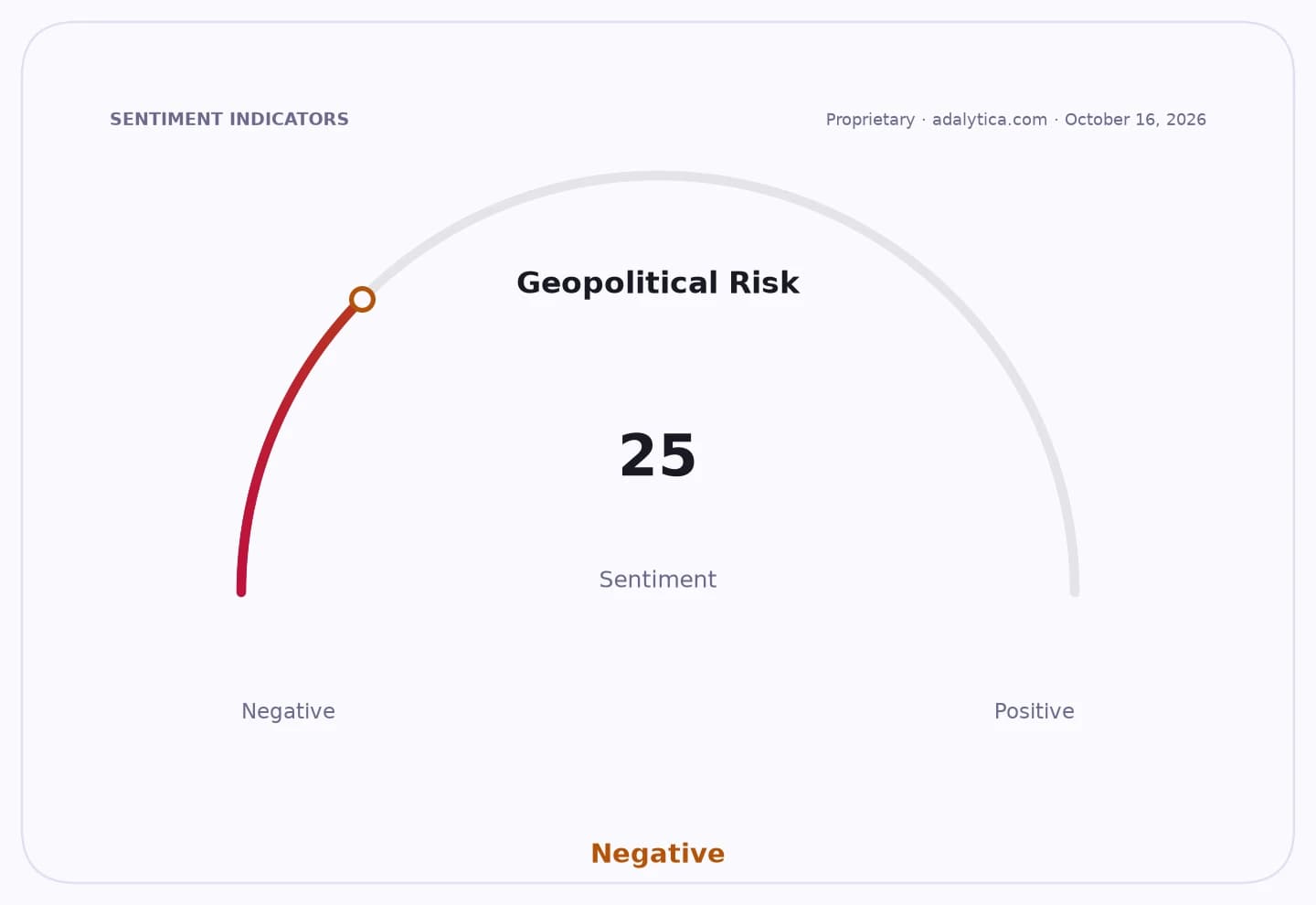
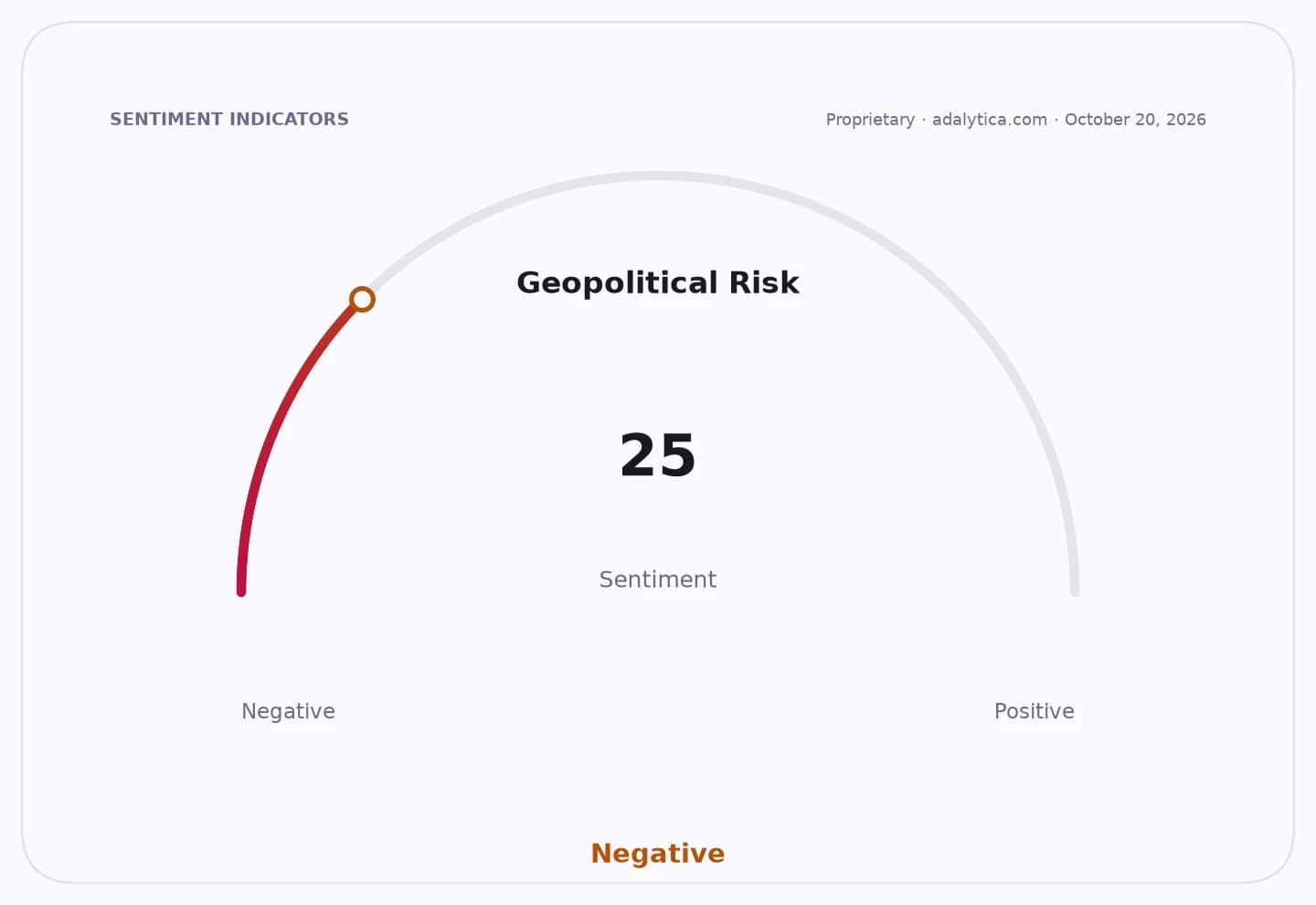
For markets, the near-term read-through is straightforward: geopolitical risk is not receding, and any easing in Ukraine may not translate into a durable security dividend for Europe. Defense names should continue to trade with support from replenishment demand and allied procurement, while a broader risk premium may persist for European assets if the buildup is seen as part of a longer cycle of confrontation.
| Entity | Gains | Losses |
|---|---|---|
| NATO defense contractors | ▲Higher procurement demand | ▼None immediately |
| Russia’s military planners | ▲Future armored option | ▼Industrial strain |
| Ukraine | ▲None | ▼Pressure from renewed mechanized capacity |
| Finland and Baltic states | ▲Stronger deterrence focus | ▼Higher security risk |