Europe’s answer to Russia’s hybrid war is turning into a durable spending cycle, and investors are starting to price the beneficiaries. The clearest winner is not just the missile makers and aircraft primes, but the companies that sell electronic warfare, sensors, air defenses and battlefield software — the infrastructure of modern deterrence.
Europe Defense Spending Favors RTX and Lockheed Martin
That matters because hybrid conflict is cheaper to start than to stop. Drone raids, jamming, cyberattacks and electronic warfare force governments to buy constant upgrades, not one-off systems. The European Commission’s 2.86 billion euro defense package for Ukraine, aimed at drones, air defense, missiles, radars and electronic warfare, is a sign that this is no longer an emergency response. It is becoming a procurement model. Switzerland’s move into the European electronic warfare system underscores how far the security perimeter is widening.
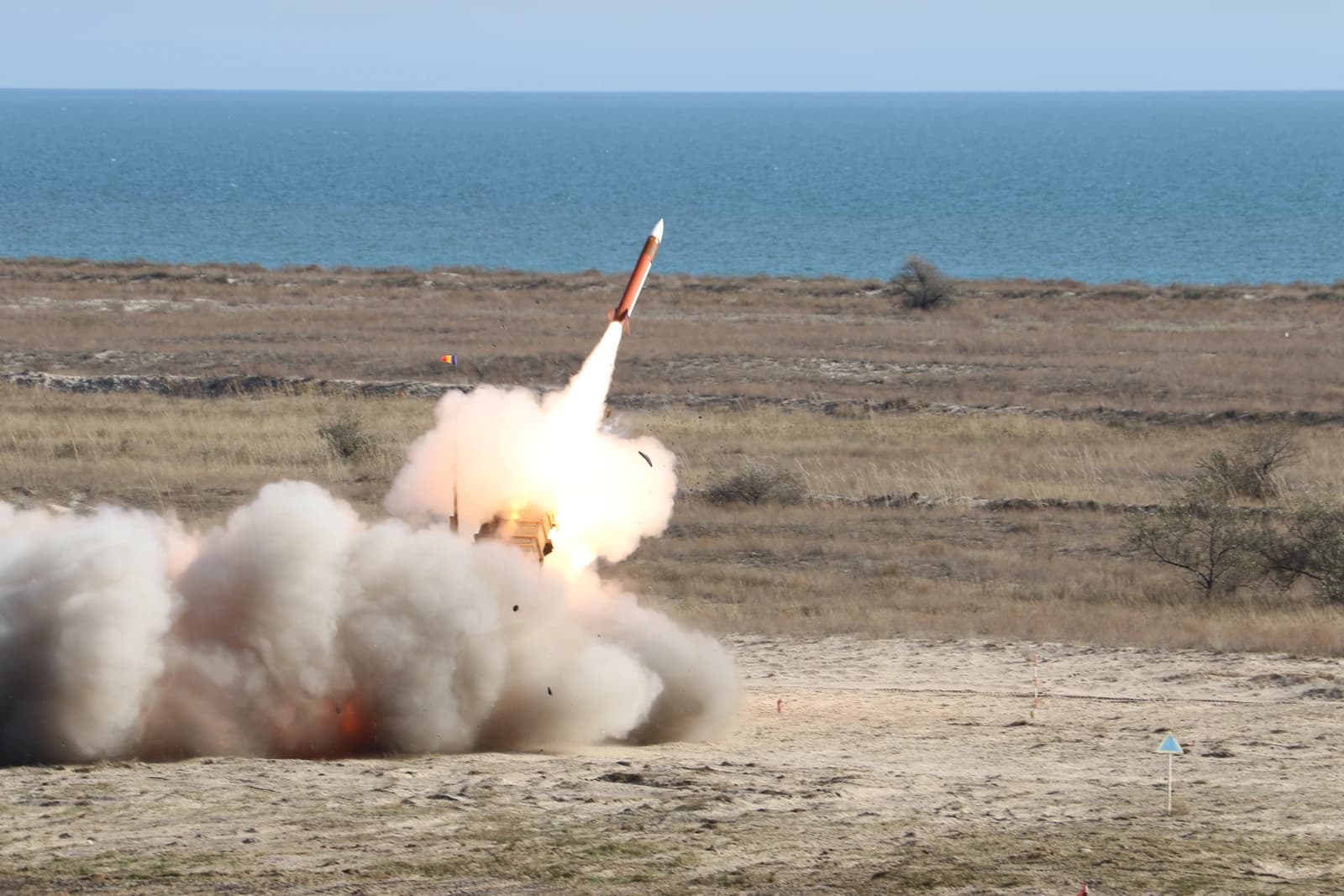
The market is beginning to reflect that shift. Lockheed Martin has climbed to 545.80 from 488.62 in late June, with the stock now back above its 50-day moving average and momentum recovering after a deep summer correction. Raytheon parent RTX is also stabilizing around 191.43, while Boeing remains the laggard at 188.75, far below its 200-day average. That divergence is telling. The winners in this cycle are the firms tied to air defense, sensors and electronic countermeasures. The losers are the legacy names that still depend on recovery stories and civil aerospace normalization.
Russia’s latest drone battle is a reminder that electronic warfare is not a side theatre anymore — it is the main battlefield of the next decade. Ukraine has already become one of the world’s most battle-tested electronic warfare operators, and Europe is now trying to absorb those lessons before the threat scales further. The implication for investors is straightforward: follow the budget lines into the picks-and-shovels of modern war.
I believe this is where the asymmetric opportunity sits. Defense spending tied to drones, radar, jamming and command-and-control tends to compound across multiple years because every advance by one side forces another upgrade by the other. That favors contractors with sticky government relationships, classified programs and recurring sustainment revenue. It also argues for a broader basket than the headline primes alone — including cybersecurity and battlefield software names that can monetize the same fear cycle.
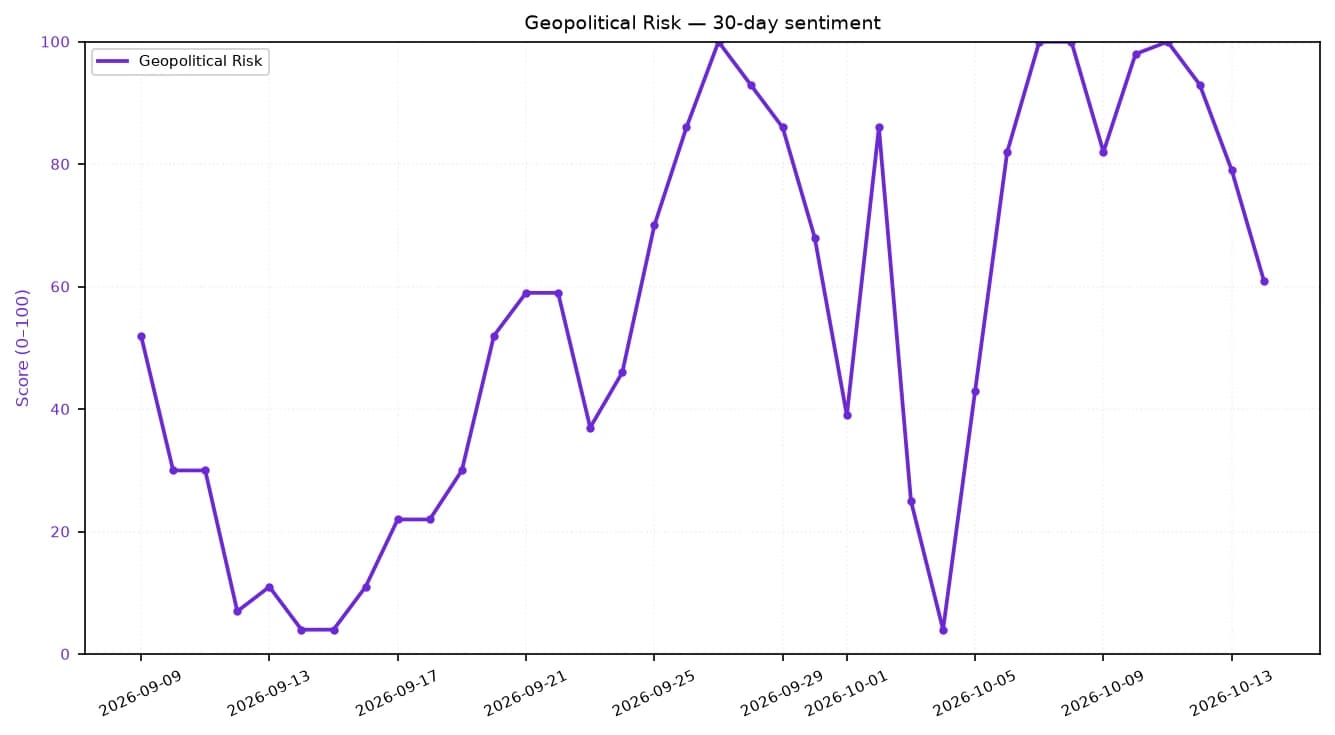
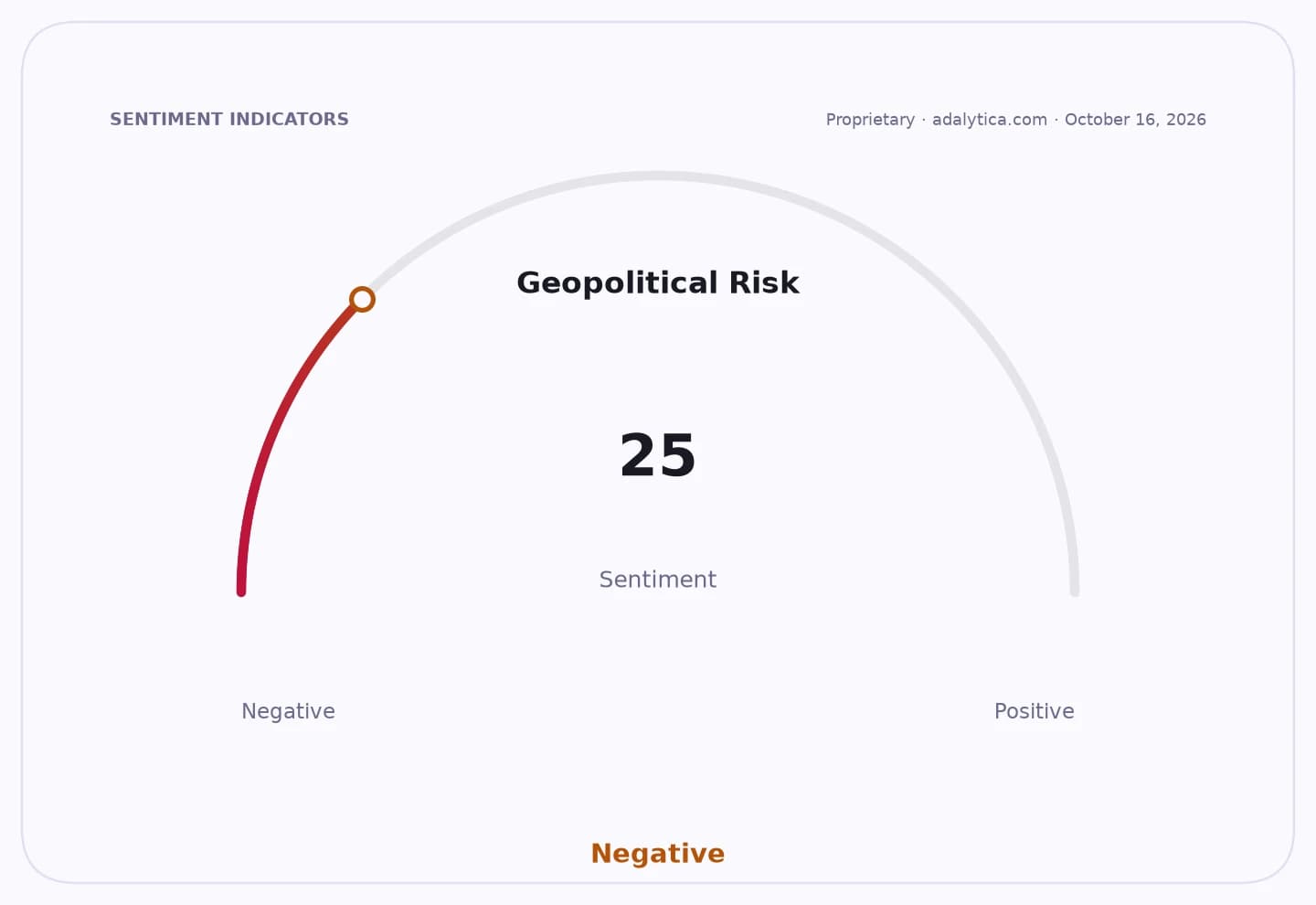
The Adalytica Global Stability Sentiment gauge, now at 25 with “Fear” and “Extreme Fear” awareness, shows how quickly geopolitical risk is being repriced. When stability deteriorates this fast, governments do not cut defense budgets; they accelerate them. The market often waits for the next headline before it bids the theme higher. That is usually too late.
For investors, the thesis is simple: Europe’s hybrid-war response is creating a long runway for defense modernization, and the best way to play it is through the enablers of electronic warfare, air defense and secure networks. If this conflict keeps evolving the way it has, the capex will keep following.
| Entity | Gains | Losses |
|---|---|---|
| RTX | ▲Air-defense demand | ▼Budget-dependent buyers |
| Lockheed Martin | ▲Missile and EW orders | ▼Legacy under-allocators |
| Boeing | ▲— | ▼Defense sentiment relative to peers |
| Ukraine and Europe’s militaries | ▲Better EW capability | ▼Russian drone and jamming campaigns |