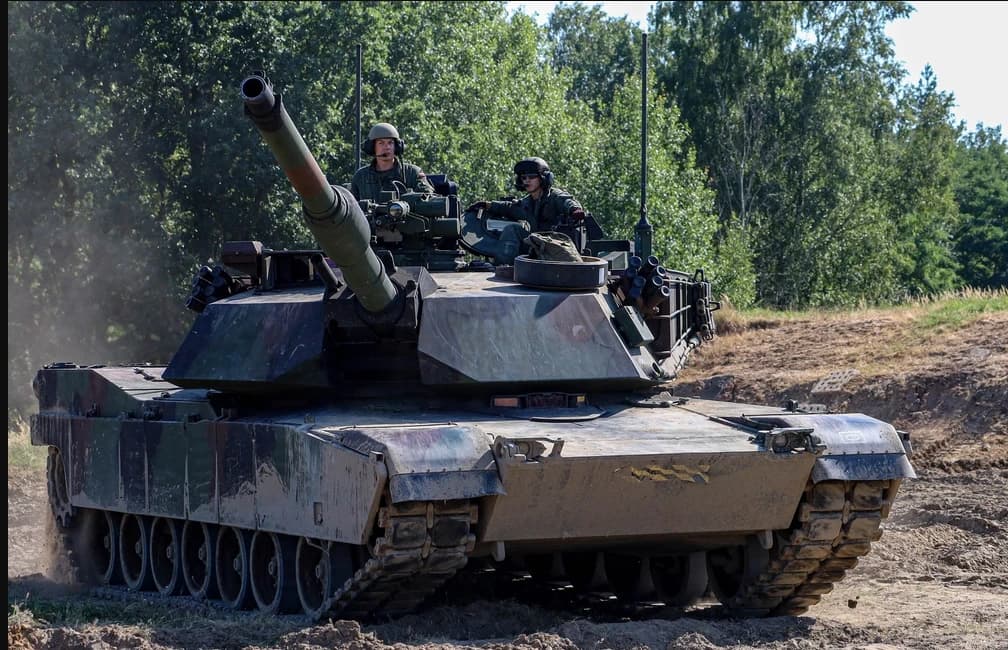
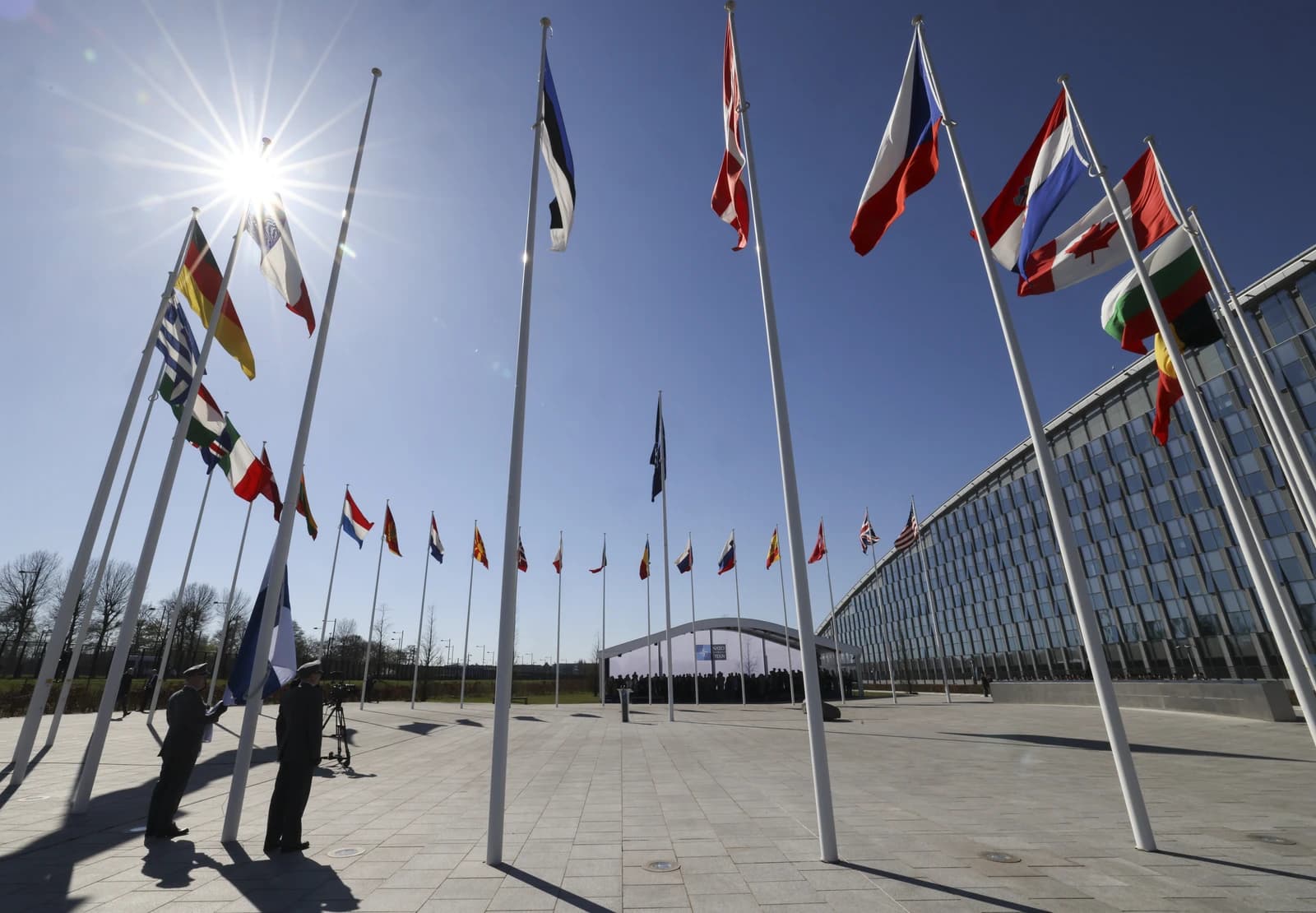
Sweden should shift more of its military effort toward Finland and away from Poland, according to a leading Swedish defense strategist who says the biggest gap on NATO’s northern flank is now in the far north rather than on the alliance’s eastern front.
Sweden defense strategist urges focus on Finland
The argument matters because it goes to the heart of how NATO allocates scarce troops, air defenses and maritime assets as Russia’s war in Ukraine drags on and the alliance stretches to cover more territory. For investors, the message is less about immediate markets than about a deeper European security premium that keeps defense spending, munitions demand and border infrastructure spending elevated across the region.
Sentiment IndicatorsⓘProprietary · adalytica.com · October 16, 2026
This is a snapshot — live sentiment, awareness and momentum for 130+ markets update continuously in the dashboard.Open AlphaPulse
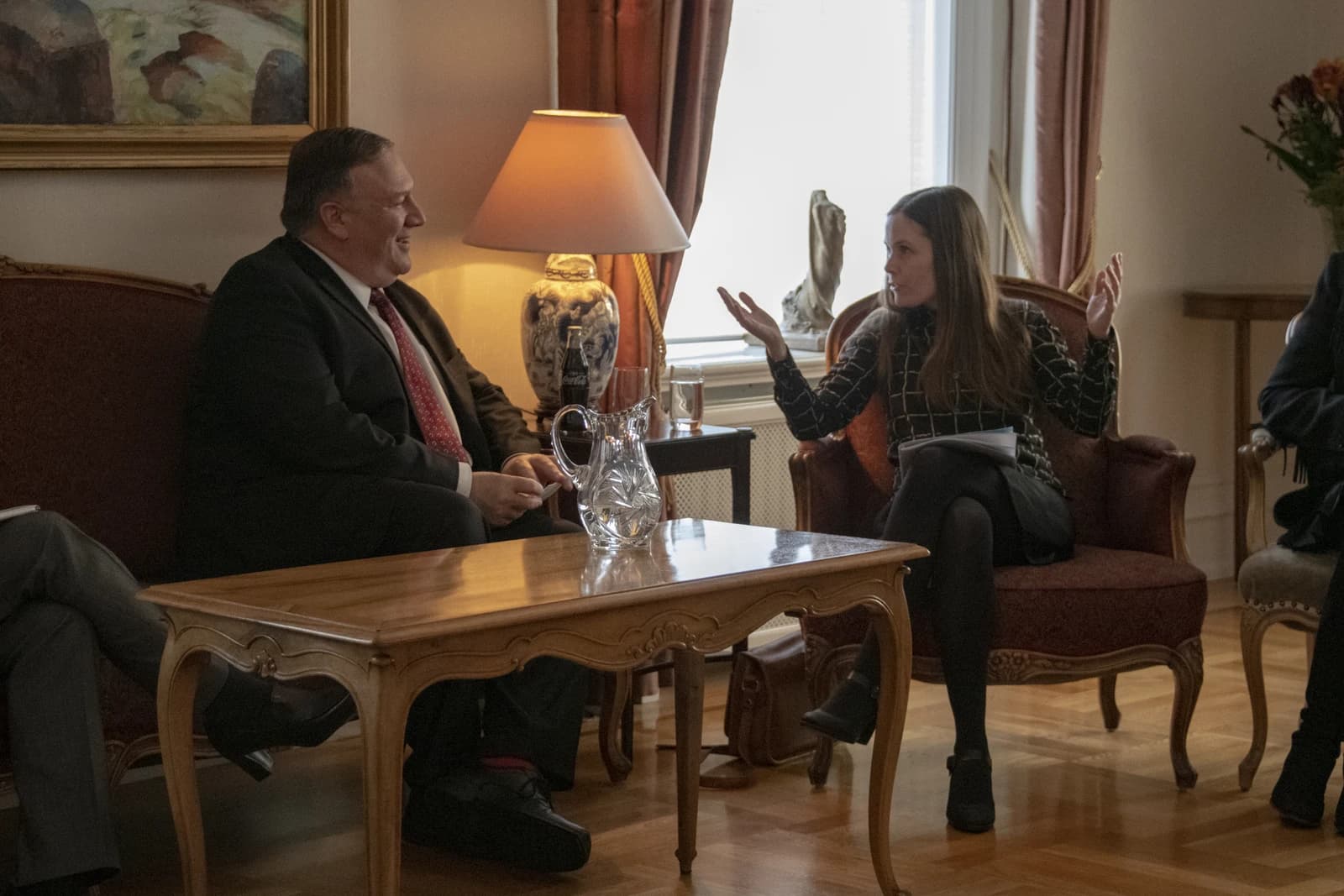
Håkan Edström, a military strategist at the Swedish Defence University, told Dagens Nyheter that Stockholm is putting too much emphasis on Gotland and on sending a Patriot air-defense system and about 100 soldiers to Poland, while North Finland remains comparatively exposed. “We should focus more on the north. We should focus more on Finland,” he said.
Sweden is already active in Finland, with Gripen fighter jets currently monitoring Finnish airspace and the corvette HMS Helsingborg patrolling the Gulf of Finland under Finnish command. Edström’s point is that those commitments are not enough if NATO wants to close what he sees as the region’s most vulnerable gap.
He says the Baltics and Poland are already better covered through forward NATO deployments, air policing and reinforcement plans, while northern Finland lacks that same depth. NATO’s forward land force for Finland, FLF Finland, is stationed in Boden, Sweden, not on Finnish soil, a distinction Edström says underlines how thin the defense posture still is close to Russia’s Arctic perimeter.
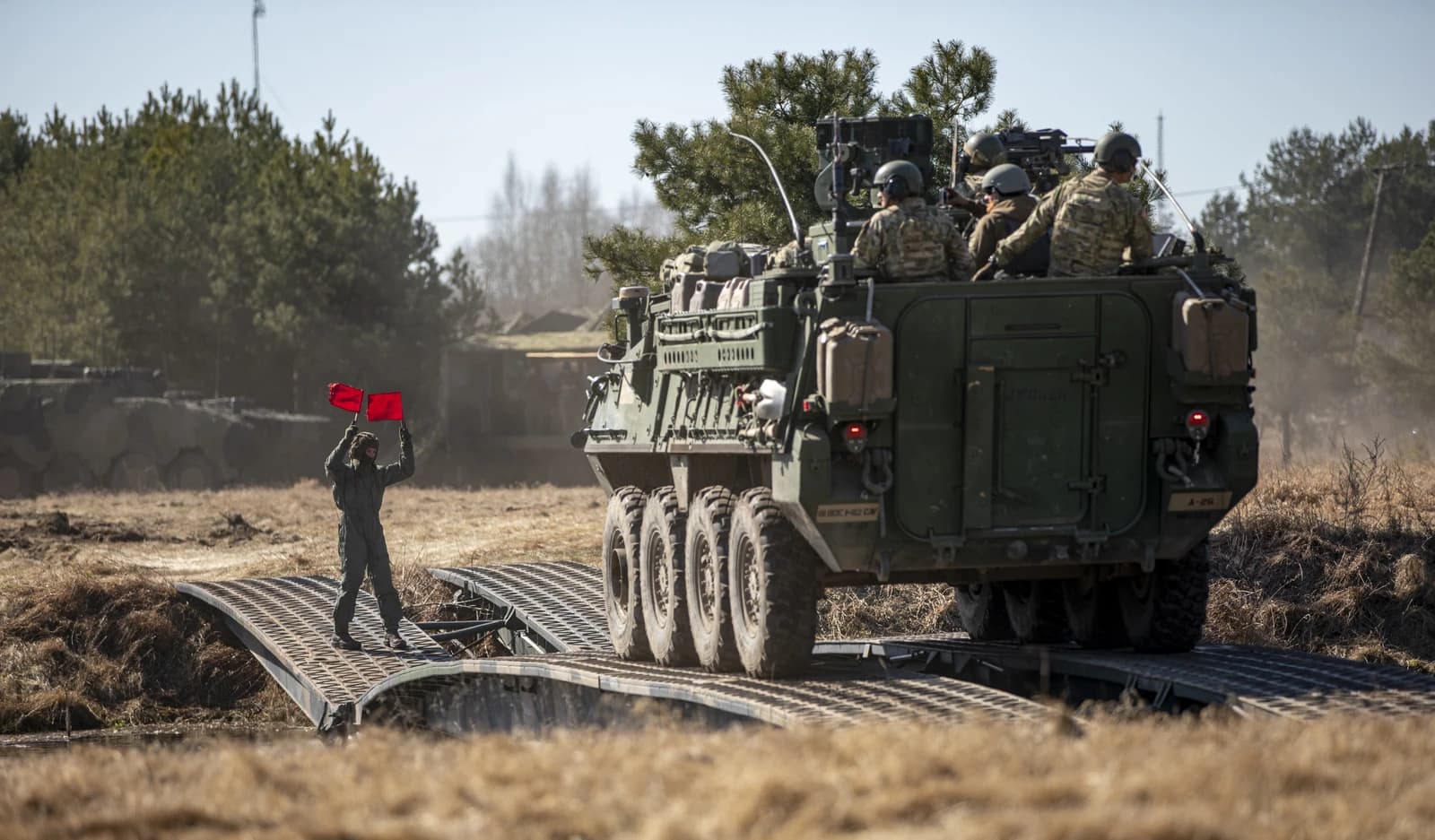
The warning lands at a time when Sweden is also sending a Patriot system to Poland to replace a Dutch battery used to protect Ukraine-related transport routes. That deployment comes with another 100 troops and reflects the competing demands on Europe’s smaller militaries, which are being asked to support Ukraine, reinforce the Baltics, secure the Arctic and defend the Nordic region at once.
Edström’s broader message is that NATO must stop treating every sector of the alliance as equally urgent. He said Russia could use instability in the north to justify protecting its Kola Peninsula bases, a reminder that the Arctic and the Barents Sea are increasingly part of the same security equation as the Baltic.
For investors, the implications are most visible in defense procurement and regional risk pricing. A more prominent focus on Finland points to continued demand for air defense, surveillance, anti-ship weapons, submarines, mines and command-and-control systems, while also keeping pressure on Nordic governments to spend more on logistics and quick-reaction forces.
The debate also reinforces the market’s view that Europe’s rearmament cycle is not a one-off spike but a multi-year shift. With Sweden and Germany again training for the defense of Gotland, and Finland and Sweden discussing offensive countermeasures as part of deterrence, the alliance’s northern tier is moving toward a more militarized posture that will shape budgets well beyond this year.
The next test is whether Helsinki and Stockholm convert that posture into more permanent deployments and clearer burden-sharing with NATO partners in the months ahead.
| Entity | Gains | Losses |
|---|---|---|
| Finland / Nordic NATO flank | ▲More troops, air defense focus | ▼Continued exposure in the far north |
| Sweden defense industry | ▲Higher demand for jets, missiles, patrol assets | ▼None immediate |
| Poland / Baltic focus | ▲Some allied attention retained | ▼May lose priority to Arctic north |
| NATO planners | ▲Clearer regional prioritization | ▼Pressure on scarce troop allocations |