The United States is widening its Arctic security perimeter through Iceland, deepening military cooperation with a NATO ally as Washington tries to blunt Russian submarine activity and counter China’s longer-term push for strategic footholds in the far north.
Iceland role grows in U.S. Arctic defense push

That matters because the Arctic is shifting from a remote flank to a contested theater with direct implications for transatlantic defense, undersea cables, shipping lanes and surveillance of the North Atlantic. For investors, the geopolitical premium around Arctic infrastructure, defense technology and maritime patrol assets is rising just as markets are already pricing elevated global risk.
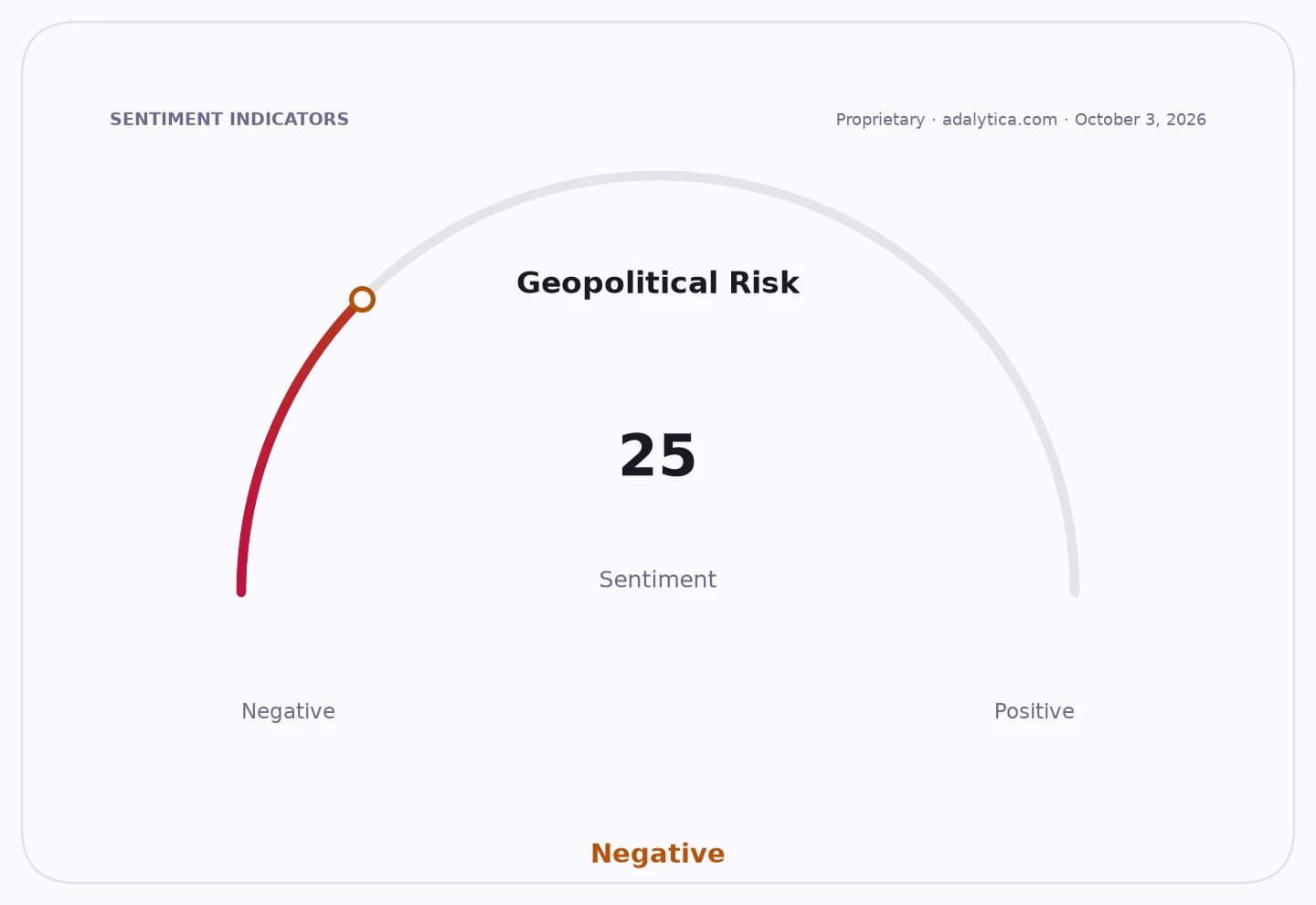
Sentiment IndicatorsⓘProprietary · adalytica.com · October 7, 2026
This is a snapshot — live sentiment, awareness and momentum for 130+ markets update continuously in the dashboard.Open AlphaPulse

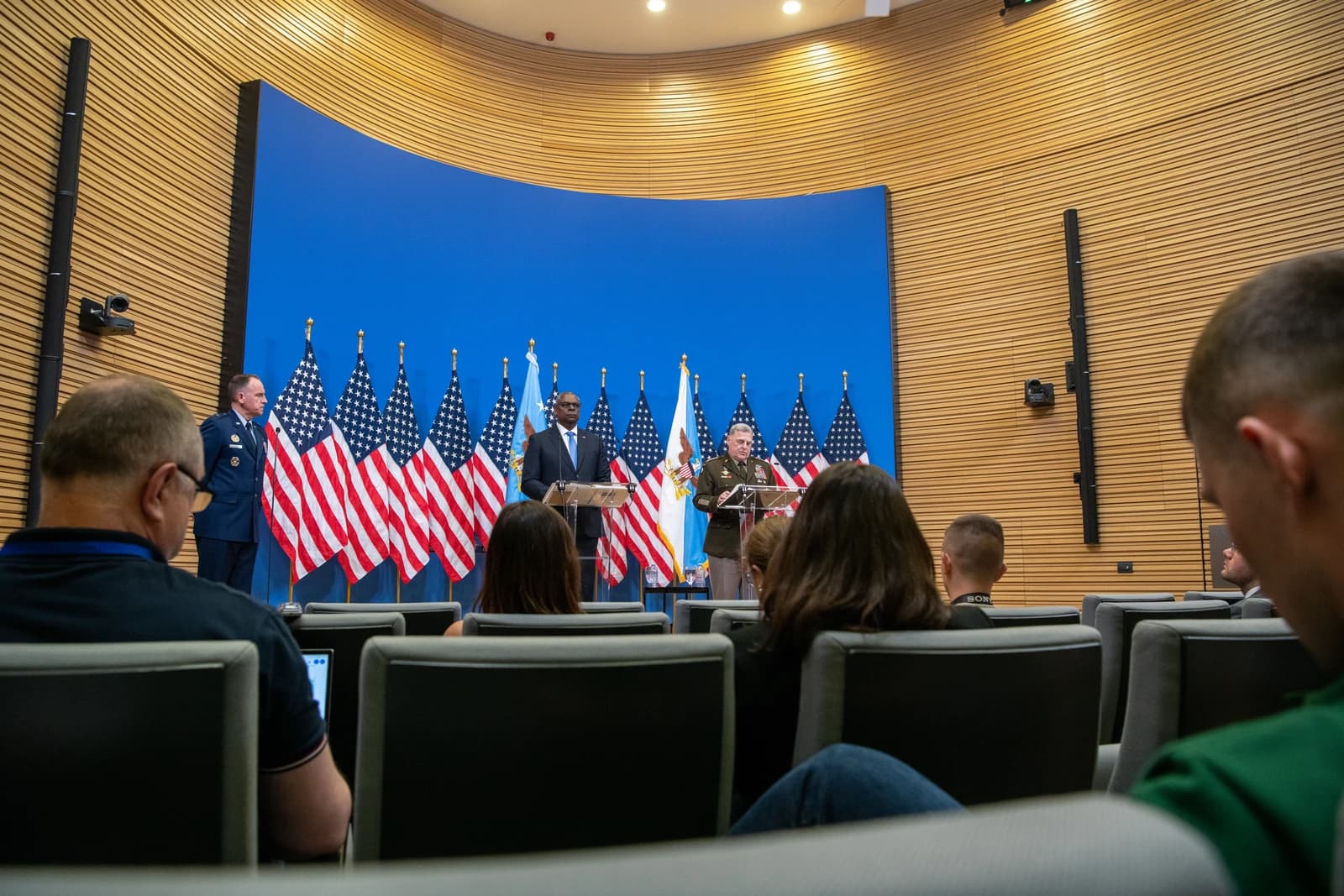
Secretary of State Marco Rubio said after meeting Icelandic officials that the island nation occupies a “very important strategic position” for collective security and that Washington was open to expanding cooperation on airports, ports, surveillance capabilities and technology. He framed Iceland as a “key outpost” for detecting covert activity and deterring adversaries from entering allied territory.
The trip follows a separate U.S. agreement with Denmark and Greenland last month to build two major military bases and substantially increase troop presence on the island, underscoring a broader American effort to harden the Arctic arc. Together, the moves suggest Washington is building a chain of northern positions rather than relying on any single territory as climate change opens new routes and exposes new vulnerabilities.

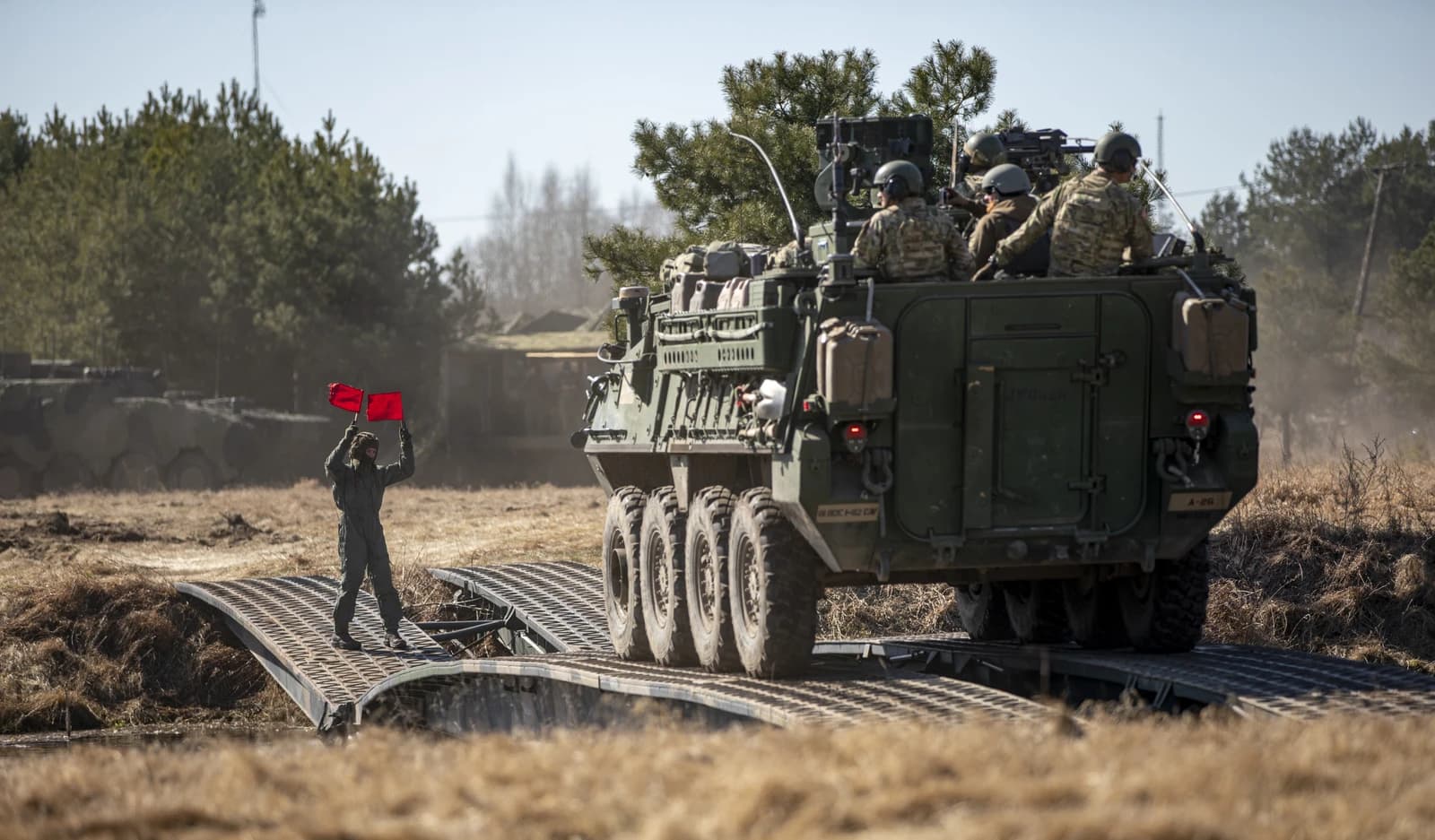
Iceland is especially important because it sits astride the North Atlantic gap used to track submarines and secure reinforcement routes between North America and Europe. Rubio’s visit to Keflavik air base included a look at a U.S. Navy P-8A Poseidon maritime patrol aircraft, which has been rotationally deployed there to hunt Russian submarines. That gives the U.S. and NATO better reach over the Greenland-Iceland-UK corridor, long one of the alliance’s most sensitive chokepoints.
The political backdrop is delicate. President Donald Trump’s past talk of annexing Greenland and describing both Greenland and Iceland as U.S. territory has stirred friction, but Washington now appears to be lowering the temperature in public while pursuing a more practical security strategy. Icelandic Prime Minister Kristrun Frostadottir has separately said the country’s contribution is essentially to serve as a base.
For defense contractors and operators tied to surveillance, anti-submarine warfare and Arctic logistics, the shift points to steadier demand for patrol aircraft, sensors, airfield upgrades and port hardening. The economic case extends beyond military spending: more secure northern infrastructure could support data cables, energy logistics and future shipping traffic as the region becomes more accessible.
The bullish case for investors is that Arctic militarization supports a multi-year procurement cycle across NATO. The bear case is that tensions with Russia could escalate, while any renewed sovereignty disputes with Denmark or Iceland would complicate cooperation. For now, the clearest message is that Washington is treating Iceland and Greenland as complementary pieces of the same northern defense architecture.
| Entity | Gains | Losses |
|---|---|---|
| U.S./NATO | ▲Stronger Arctic surveillance | ▼Higher defense costs |
| Iceland | ▲Security role, allied backing | ▼Greater strategic exposure |
| Defense contractors | ▲Patrol and infrastructure demand | ▼— |
| Russia/China | ▲— | ▼Fewer northern openings |