China’s growing interest in Russia’s Northern Sea Route is a reminder that the Arctic is moving from geopolitical talking point to commercial corridor, and that matters for trade, energy and investors watching the Russia-China relationship.
China Interest in Russia’s Northern Sea Route Grows
Russian Deputy Prime Minister Alexander Novak said Chinese partners are now interested in moving cargo along the Northern Sea Route, with the first shipment already having passed. For Moscow, that is more than a symbolic win. The Kremlin has long pitched the Arctic lane as a strategic artery linking Russia with Asia, and a Chinese commitment to use it would help legitimize a route that faces harsh weather, seasonal constraints and high infrastructure costs.
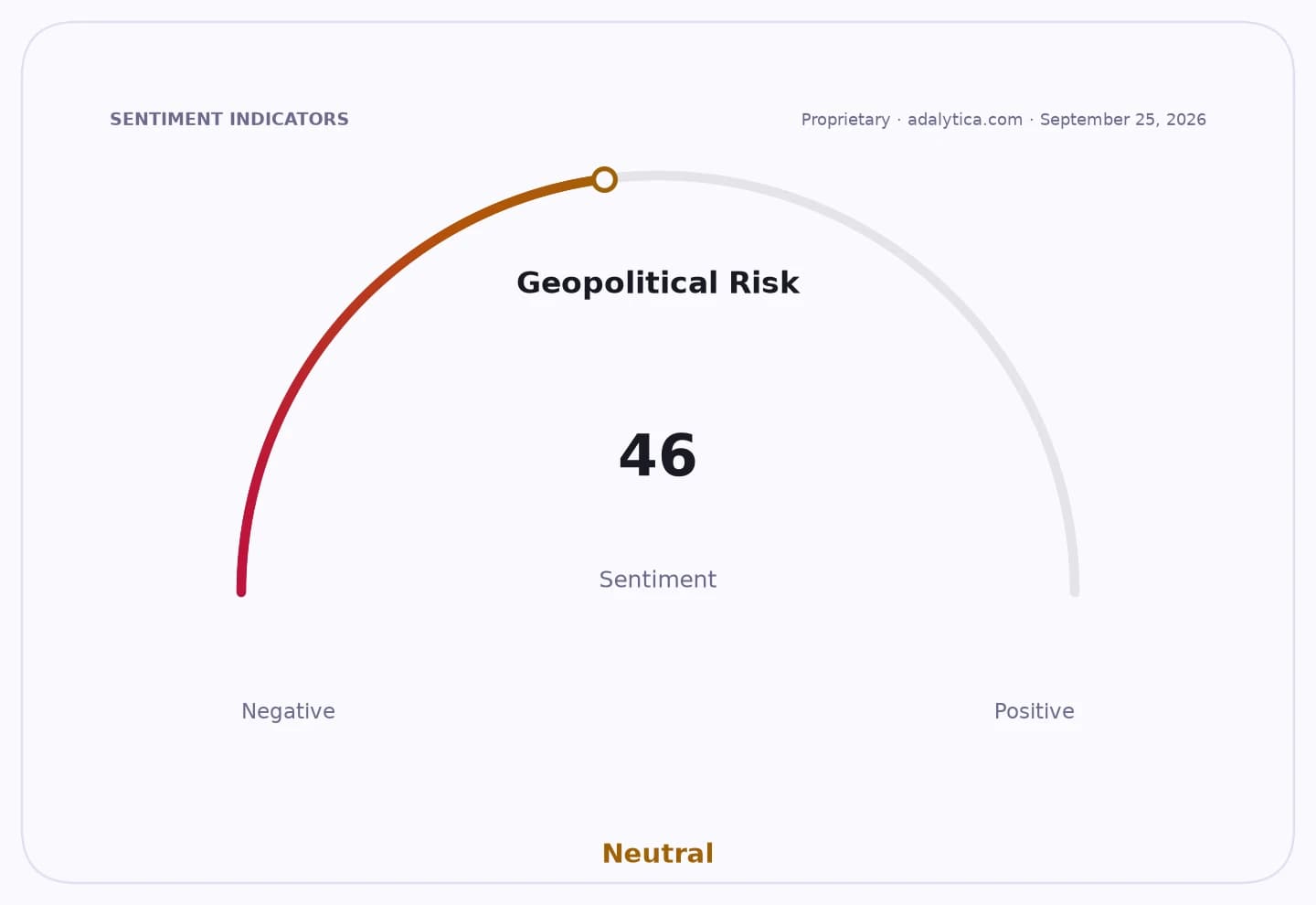
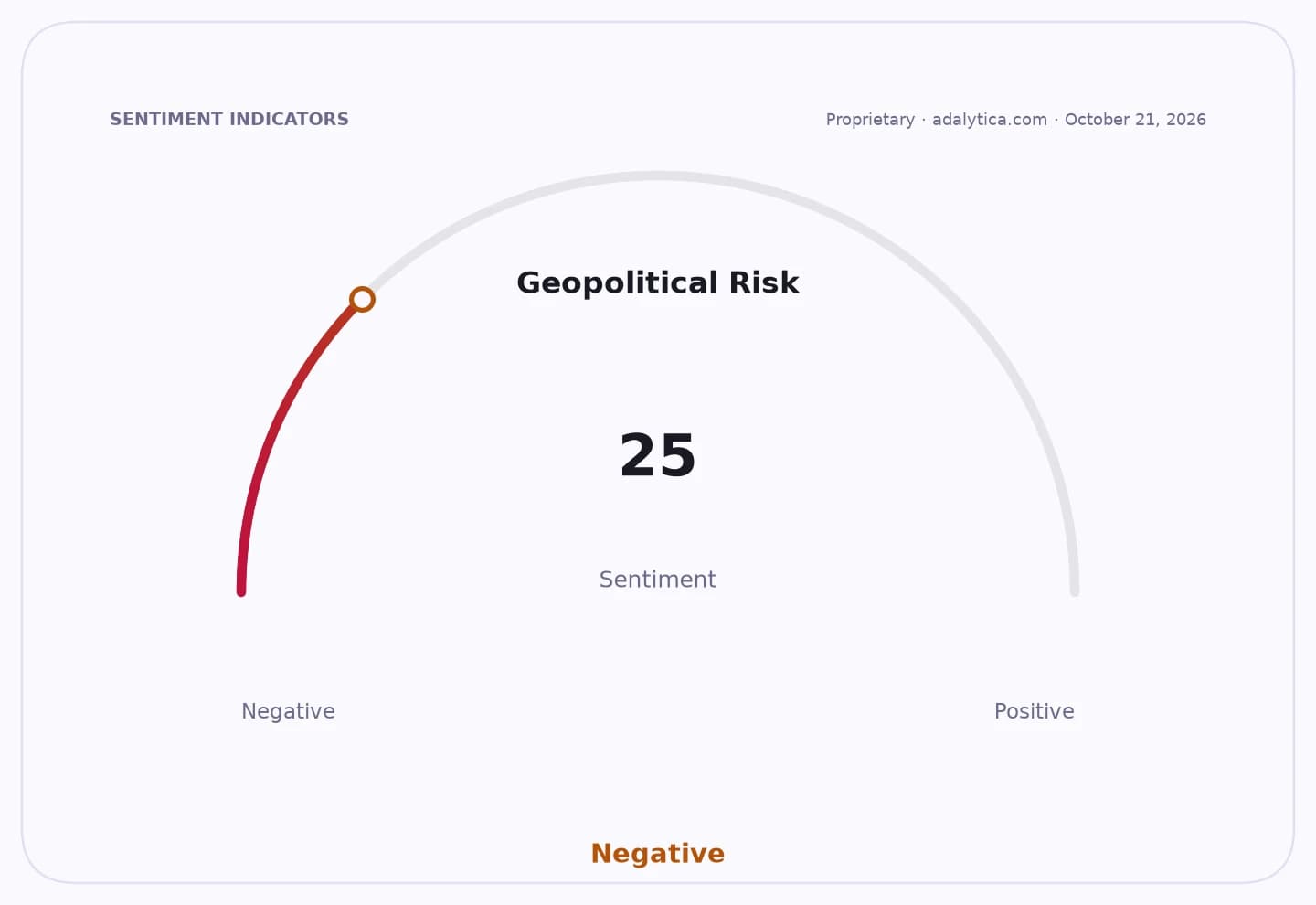
Sentiment IndicatorsⓘProprietary · adalytica.com · October 21, 2026
This is a snapshot — live sentiment, awareness and momentum for 130+ markets update continuously in the dashboard.Open AlphaPulse
The economic logic is straightforward. Shorter shipping times between northern Europe and Asia can lower transport costs for some cargoes, especially as Russia looks to redirect trade flows away from Western markets. A deeper China role would also support Russia’s push to monetize its Arctic infrastructure and keep export channels open despite sanctions and strained relations with Europe and the U.S. That makes the route relevant not just to shipping companies, but also to energy markets, port operators and insurers.
Novak also said Russian gas supplies through the Power of Siberia pipeline to China are expected to reach 39 billion cubic meters in 2026, above the original contract level, and that Moscow and Beijing have agreed to expand volumes to 44 billion cubic meters a year. He said talks are also under way on a second gas project capable of carrying 50 billion cubic meters annually. Taken together, the comments reinforce a bigger investment theme: China is steadily deepening its energy ties with Russia while locking in alternative supply routes.
For investors, that has two sides. On one hand, the Arctic shipping story supports the long-term case for Russian logistics, ports and energy infrastructure if trade volumes keep rising. On the other, it raises the strategic value of firms tied to Asia-bound commodity flows and vessels designed for difficult northern conditions. But the opportunity comes with real risks: sanctions, political friction, ice conditions and the huge capital requirements needed to make the route reliable year-round.
The broader message is that Russia and China are building redundancy into both trade and energy systems. That may not transform global shipping overnight, but it is the kind of slow-burn shift that can matter over years, not quarters. For long-term investors, the Northern Sea Route is worth watching as part of the wider realignment of Eurasian commerce, especially if Chinese cargo volumes continue to grow.
| Entity | Gains | Losses |
|---|---|---|
| Russia | ▲More Arctic trade leverage | ▼Western shipping dependence |
| China | ▲Shorter cargo routes | ▼Higher Arctic operating risk |
| Energy exporters | ▲More pipeline demand | ▼Fewer diversified buyers |
| Global rivals | ▲Strategic clarity | ▼Lost access to Russian flows |