Denmark is moving to spend about $1.6 billion more on defense in 2026, a sign that Europe’s military rearmament is no longer a temporary response to war in Ukraine but a lasting shift in budget priorities.
Denmark Adds $1.6 Billion to Defense Budget
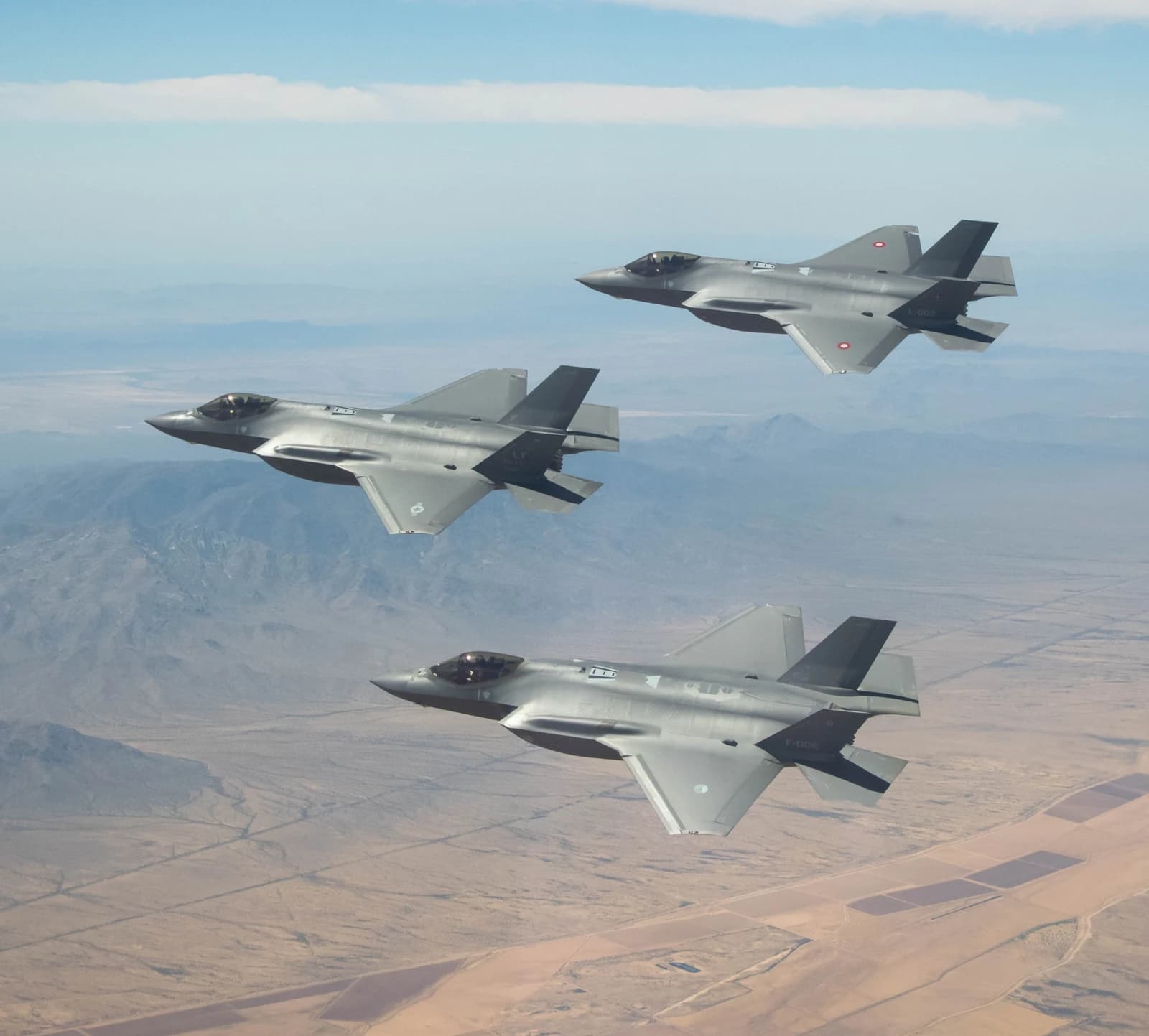
That matters because defense spending is increasingly competing with welfare, debt service and other fiscal claims across the region. When a country like Denmark raises military outlays, it is not just buying more hardware; it is committing to a higher baseline of public spending in a world where security risk is now a permanent line item. For investors, that reinforces one of the clearest secular themes in markets: defense demand is becoming more durable, more predictable and less tied to the usual economic cycle.
Sentiment IndicatorsⓘProprietary · adalytica.com · October 24, 2026
This is a snapshot — live sentiment, awareness and momentum for 130+ markets update continuously in the dashboard.Open AlphaPulse
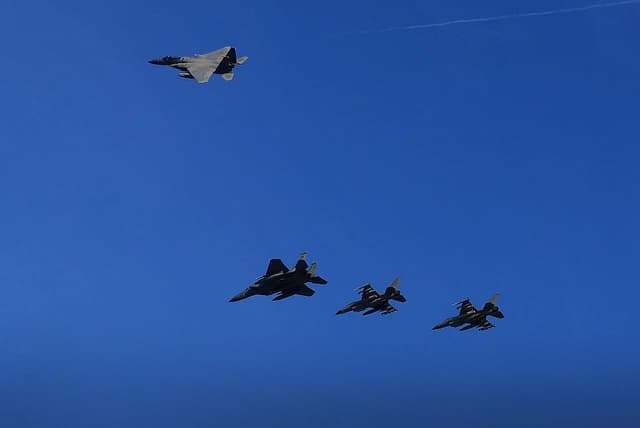
The timing is important too. Global yields remain far above the ultra-low levels that supported easy budget expansion in the last decade, and that means governments must fund military buildouts in a tighter financial environment. The U.S. 10-year Treasury yield was around 5% in recent trading, while the federal funds rate sat near 3.7%, underscoring that borrowing costs are still high enough to make every new spending commitment more expensive. At the same time, U.S. labor data showed unemployment near 4.1%, a reminder that policymakers are not operating in a recessionary emergency where spending can be justified without debate.
For defense contractors, the broader message is straightforward: allied rearmament is extending the runway for orders, backlogs and modernization programs. Lockheed Martin, Northrop Grumman and General Dynamics have all been trading in a market that is clearly rewarding exposure to defense demand, with shares showing elevated momentum in recent sessions. Lockheed Martin, for example, has surged well above its 50-day and 200-day moving averages, while Northrop Grumman’s stock has also held near recent highs, reflecting investor appetite for companies tied to missile defense, aircraft, electronics and munitions.
That enthusiasm is not just about Denmark. It fits a wider European pattern of governments lifting defense budgets and deepening military cooperation as the war in Ukraine drags on and the security landscape hardens. The economic implication is that the defense sector is increasingly insulated from the usual boom-and-bust cycle that hits industrials and discretionary spending. Unlike many sectors that depend on consumer confidence, defense spending is driven by strategy, alliance obligations and threat perception — forces that tend to persist for years.
Still, investors should keep valuation and execution in view. Defense stocks can move quickly on headlines, and some of the recent strength in names like Lockheed Martin has left technical indicators stretched, with relative strength readings pointing to overbought conditions. But for long-term investors, the larger story is not a trade around one budget announcement. It is the compounding effect of a multi-year global rearmament cycle, one that could support revenue growth, free cash flow and dividend resilience for the industry’s best-positioned players.
For patient investors, Denmark’s larger defense budget is another reminder that the rearmament theme is real, broadening and likely to endure. It is worth watching closely, and for diversified portfolios, the best way to play it may be through the strongest contractors with the deepest backlogs and the most reliable cash generation.
| Entity | Gains | Losses |
|---|---|---|
| Denmark defense sector | ▲Bigger procurement pipeline | ▼Budget flexibility |
| Lockheed Martin, Northrop Grumman, General Dynamics | ▲Long-term order visibility | ▼Investors expecting quick-cycle growth only |
| European governments | ▲Greater security readiness | ▼Welfare and fiscal headroom |
| Taxpayers and bondholders | ▲Stronger national defense | ▼Higher spending burden |