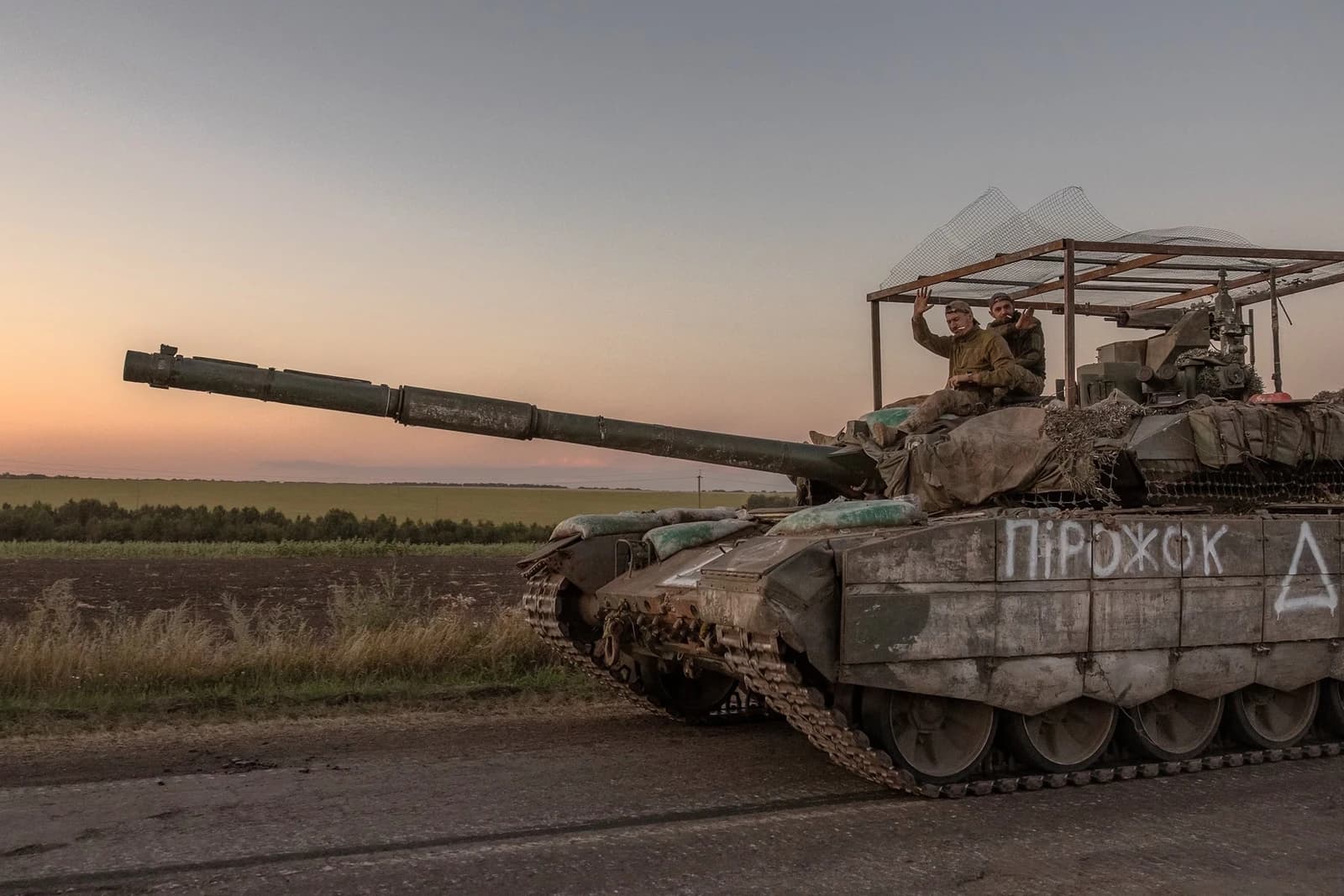
Russia’s geopolitical pivot toward Europe is raising the risk of a longer, messier standoff with the West — and that matters because it shifts the center of gravity for security spending, energy planning and investment risk across the continent.
Russia shifts focus to Europe, raising defense spending
After nearly two years of Donald Trump’s second term, Moscow is said to have recast Europe, not the United States, as its primary strategic adversary, according to Foreign Affairs. That is more than a rhetorical change. It suggests the Kremlin now sees the continent as the main source of military support for Ukraine, political resolve and strategic depth, forcing Russia to focus pressure on European decision-makers, infrastructure and elite networks rather than treating Europe as merely a staging ground for U.S. forces.
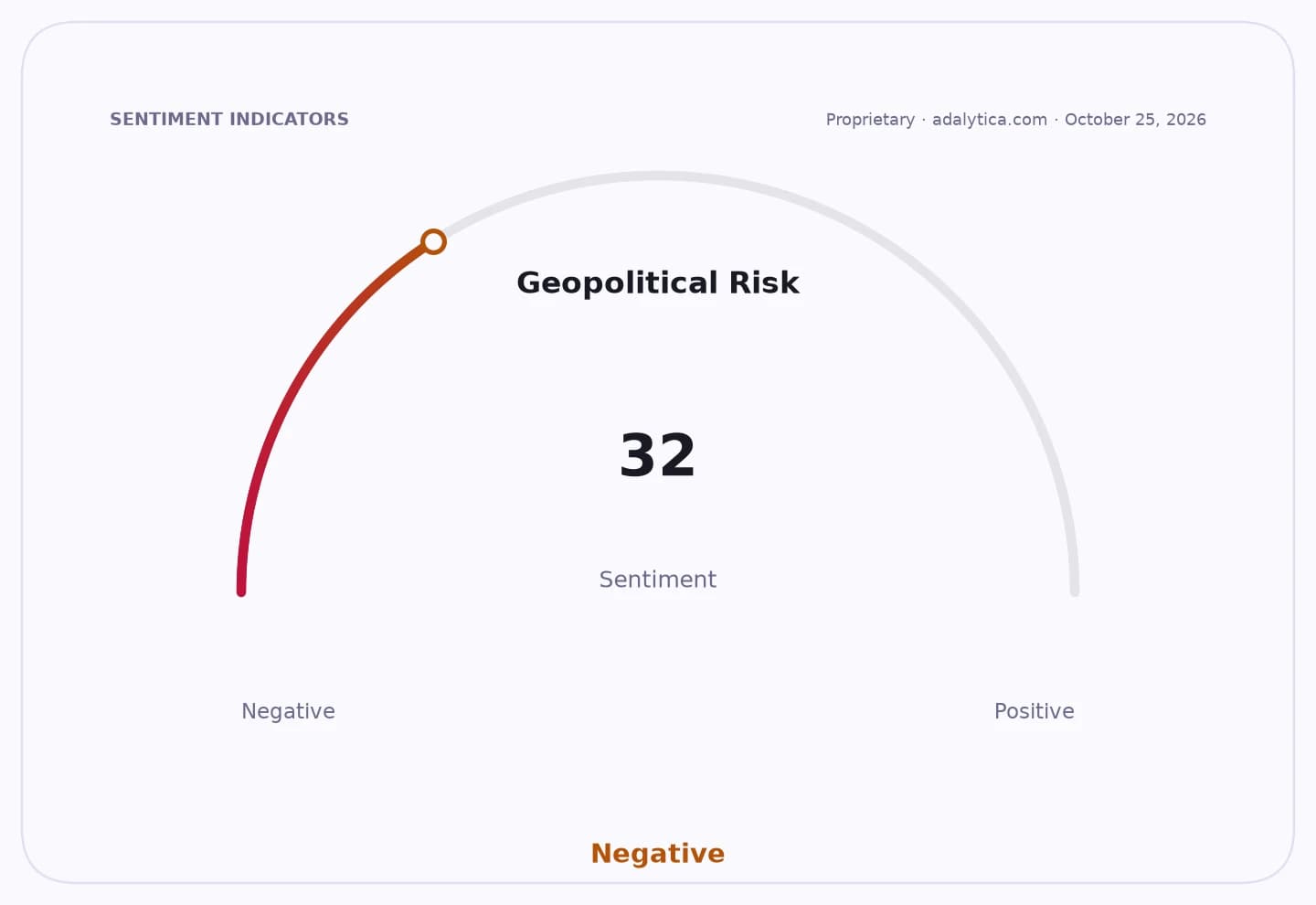
Sentiment IndicatorsⓘProprietary · adalytica.com · October 27, 2026
This is a snapshot — live sentiment, awareness and momentum for 130+ markets update continuously in the dashboard.Open AlphaPulse
For investors, the implication is straightforward: Europe’s security premium is likely to stay elevated even if cease-fire efforts in Ukraine gain traction. A Moscow that is preparing for long-term competition with Europe rather than the U.S. points to sustained defense spending, higher demand for deterrence systems and continued scrutiny of critical infrastructure from cyber to energy grids. It also keeps a floor under geopolitical risk premia in European assets, especially in countries closest to the Russian frontier.
The shift also fits a broader military logic. The report says the Kremlin has moved away from older ideas of nuclear coercion toward modern conventional systems aimed at Europe. That is important economically because conventional rearmament is expensive, persistent and industrialized: it means more procurement, more munitions production and more pressure on European governments to lock in multi-year defense budgets. In other words, the trade is not just about tanks and missiles; it is about manufacturing capacity, fiscal priorities and the long cycle of defense modernization.
The danger is that both sides could misread the moment. The article warns of a growing risk of inadvertent escalation just as all parties, including Moscow, are looking for exits. That is exactly the kind of environment that can jolt markets: headline risk rises, safe-haven flows intensify and European equities can become more sensitive to defense, energy and utility names while sectors tied to cross-border confidence remain exposed.
Adalytica’s Global Stability sentiment gauge is sitting at 61, a neutral reading, but its awareness score is in “fear” territory at 18, underscoring how quickly geopolitical nerves can return. That does not mean investors should panic. It does mean they should treat Europe’s security buildout as a structural theme, not a temporary news cycle.
The long-term takeaway is that Russia’s strategic reorientation could help sustain a durable defense supercycle in Europe, even as it raises the odds of accidental escalation. For patient investors, that makes the region’s security landscape worth watching closely — and it argues for owning businesses that can benefit from higher defense and resilience spending over the next several years.
| Entity | Gains | Losses |
|---|---|---|
| European defense contractors | ▲More procurement demand | ▼Budget uncertainty remains |
| Russia’s hardliners | ▲A clearer adversary narrative | ▼Higher economic and military strain |
| Ukraine and eastern NATO states | ▲Stronger deterrence spending | ▼Greater escalation risk |
| Broad European markets | ▲Support for defense stocks | ▼Geopolitical risk premium |