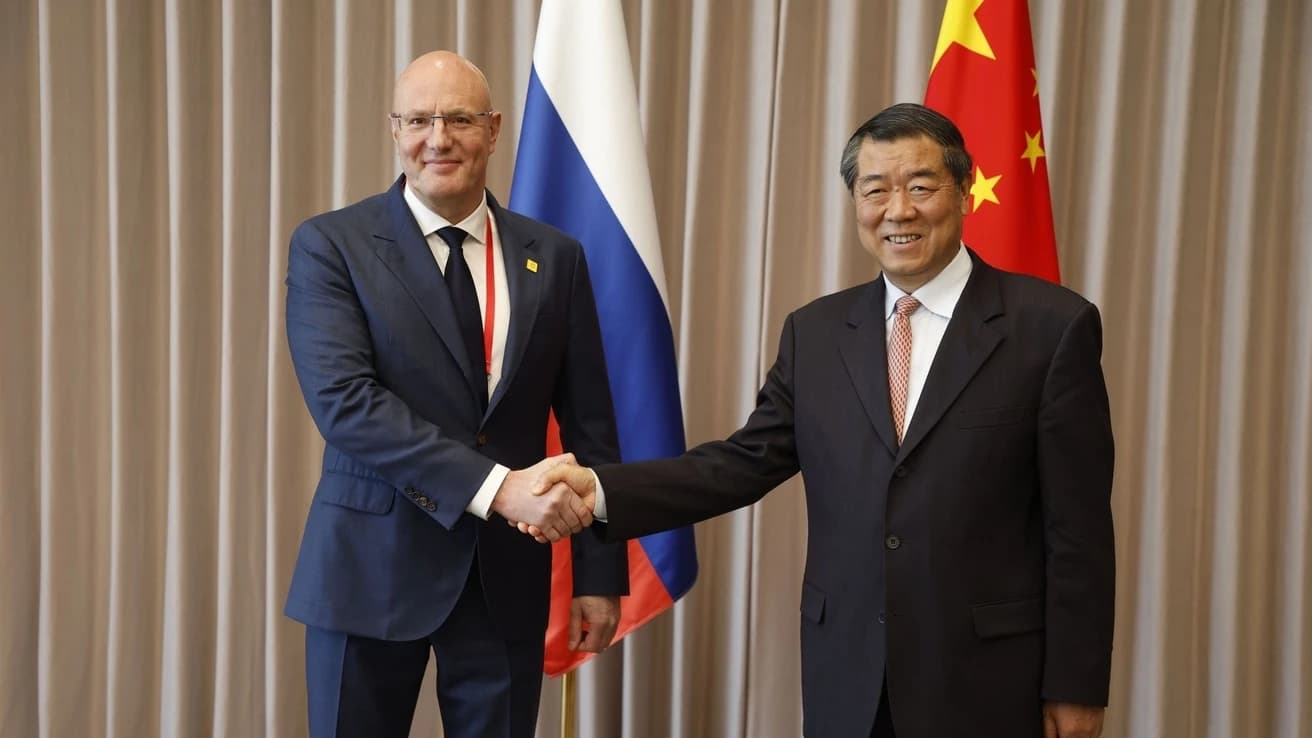
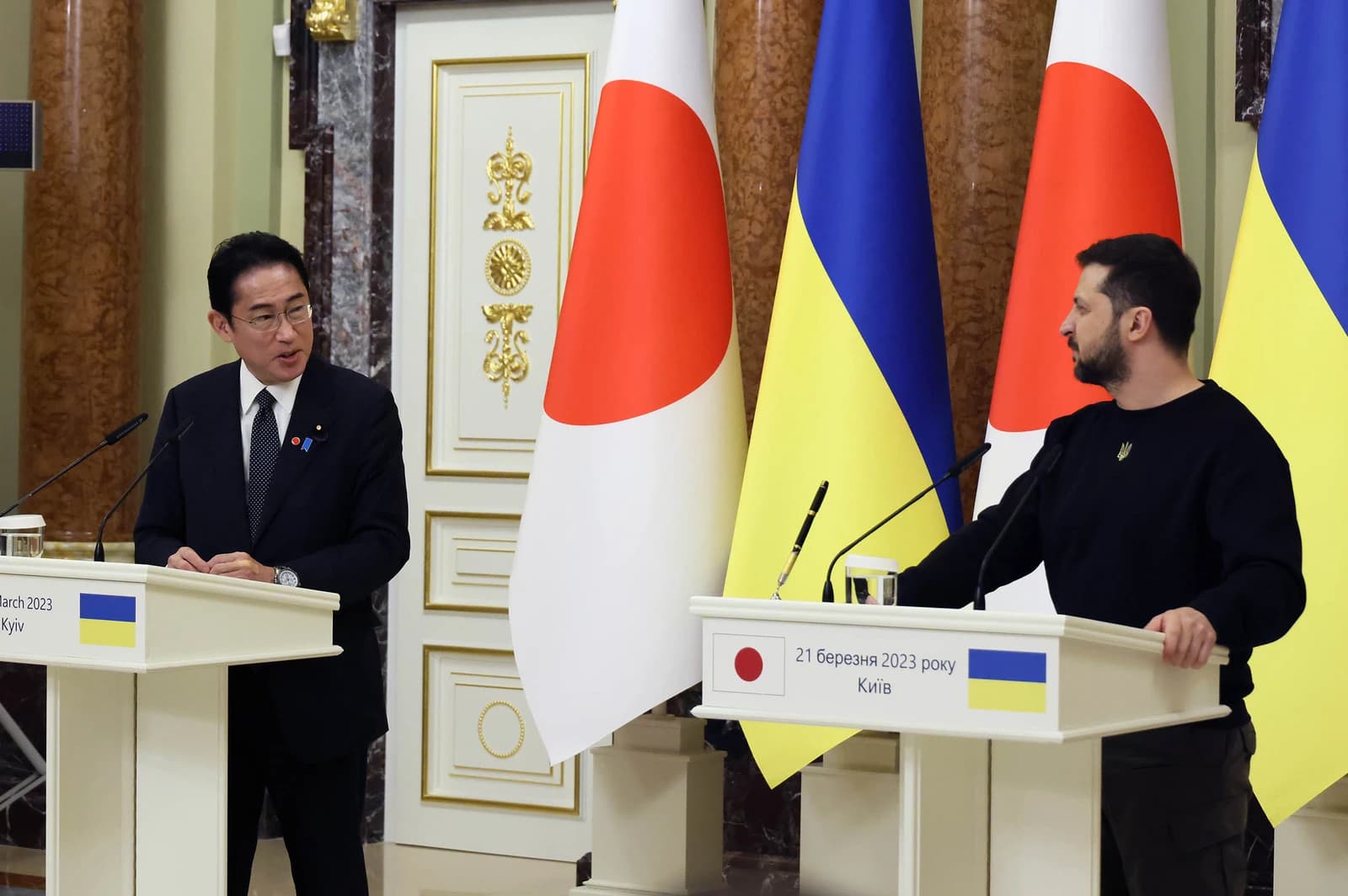
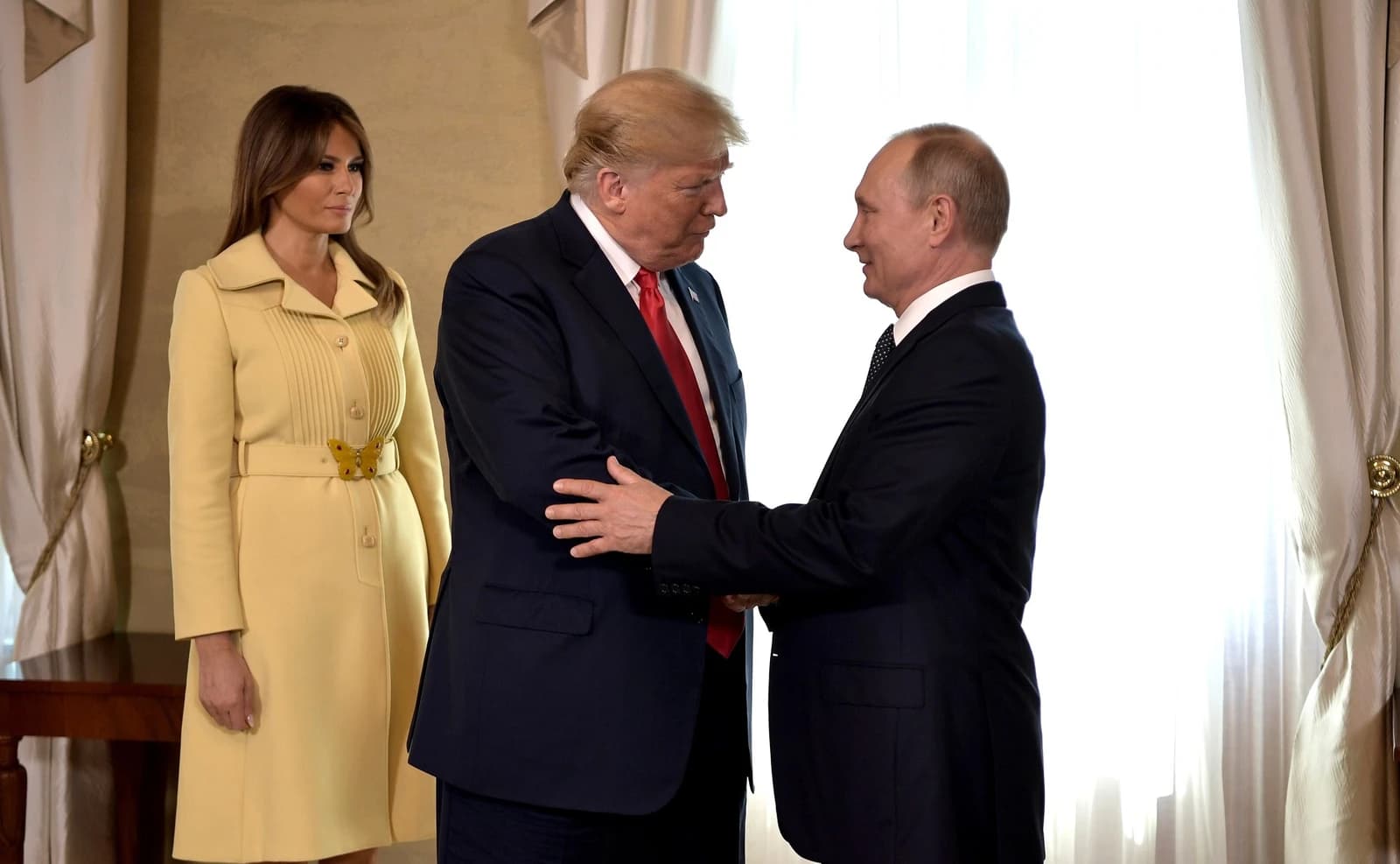
Russia has no interest in returning to the Group of Eight and is instead focused on deepening ties with Eurasia, Foreign Minister Sergei Lavrov said, underscoring how the Ukraine war has locked Moscow out of the Western-led economic order.
Russia says it is not seeking G8 return
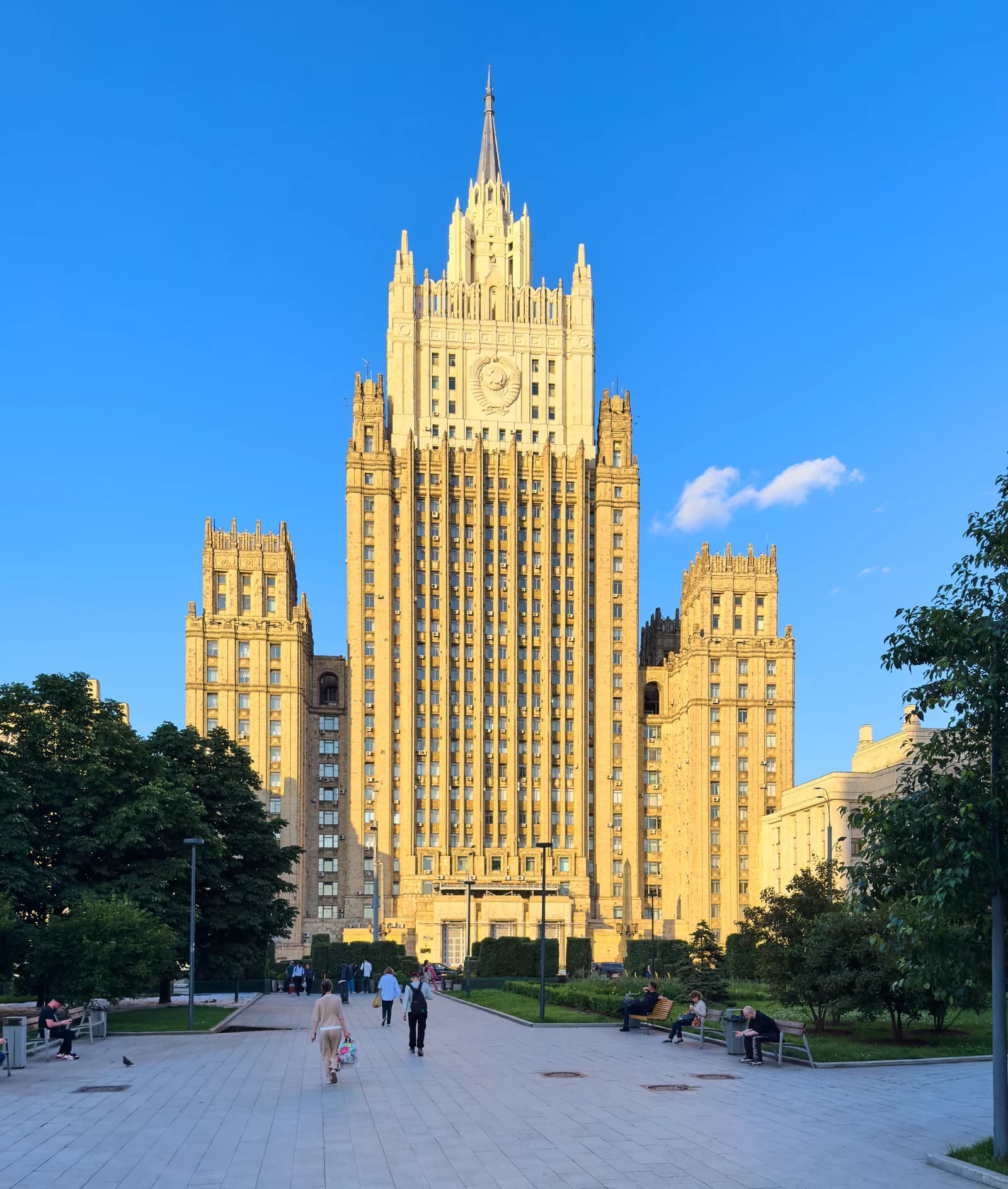
That matters because the G8 question is really about sanctions relief, capital access and whether Russia sees a path back to the investment and trade networks it lost after invading Ukraine. Lavrov’s remarks make clear the Kremlin is not positioning for reconciliation with the West, even as some market participants continue to price in the possibility that a ceasefire or diplomatic thaw could eventually reopen parts of the Russian economy.
For investors, the message is that the geopolitical discount on Russia-linked assets should remain wide. Any assumption that Moscow is preparing for a quick normalization with the U.S., Europe or the broader G7 looks premature. The more relevant trade is not a near-term rerating of Russian risk, but continued scrutiny of sanctions exposure across energy, shipping, commodities, industrial inputs and frontier-market proxies.
The comments also reinforce a longer-running strategic shift: Russia is trying to reorient trade, financing and diplomacy toward Asia and the wider Eurasian bloc rather than chase a seat at a Western table that now appears politically out of reach. That has consequences well beyond Moscow. It supports stronger ties with non-Western buyers of Russian crude, keeps pressure on global commodity flows and leaves Europe managing a security and energy problem that remains unresolved.
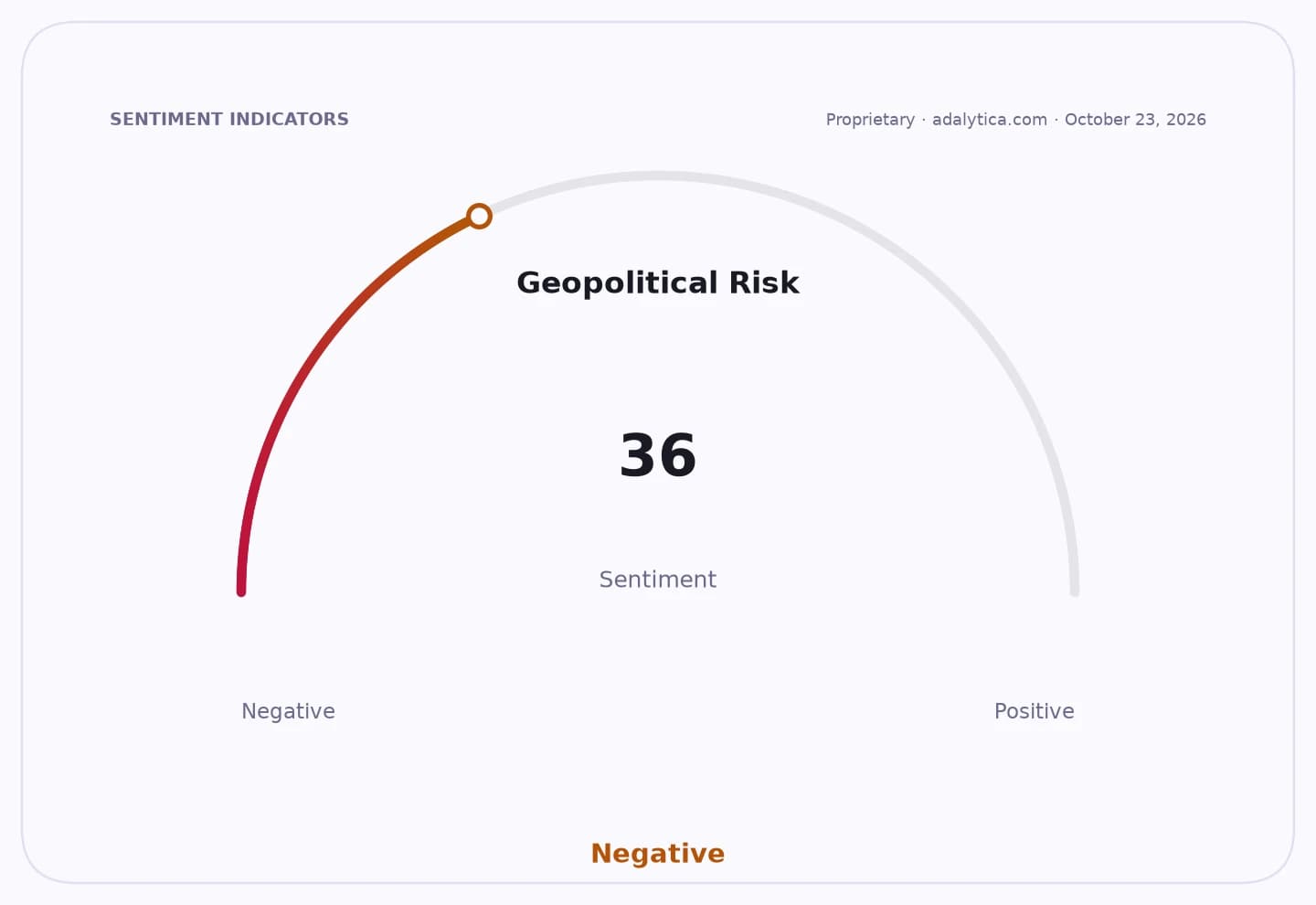
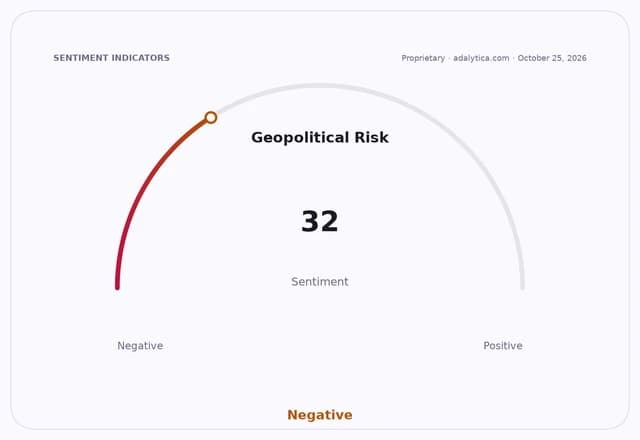
Adalytica’s Global Stability Sentiment gauge still shows a fragile backdrop, with the snapshot at 32 and awareness in fear territory, reflecting how quickly geopolitical mood can deteriorate when the Russia-Ukraine conflict flares. That kind of regime is typically hostile to risk assets tied to cross-border trade and supportive of defense, energy security and supply-chain localization themes.
The investable takeaway is straightforward: the market should keep treating Russia as a long-duration geopolitical risk, not a normalization story. That favors companies and funds exposed to defense, energy infrastructure, alternative supply chains and non-Russia commodity sourcing, while arguing against any quick rebound thesis built on hopes of Russia’s return to the G8.
| Entity | Gains | Losses |
|---|---|---|
| Russia’s Eurasia pivot | ▲Alternate trade links | ▼Western reintegration hopes |
| Defense and security stocks | ▲Prolonged risk spending | ▼Peace dividend trades |
| Energy exporters outside Russia | ▲Supply re-routing demand | ▼Sanctions relief bets |
| Russia-linked assets | ▲— | ▼Continued geopolitical discount |