China and Russia are signaling they intend to keep widening their economic partnership even as Western sanctions and trade frictions continue to reshape global commerce.
China, Russia Expand Economic Partnership
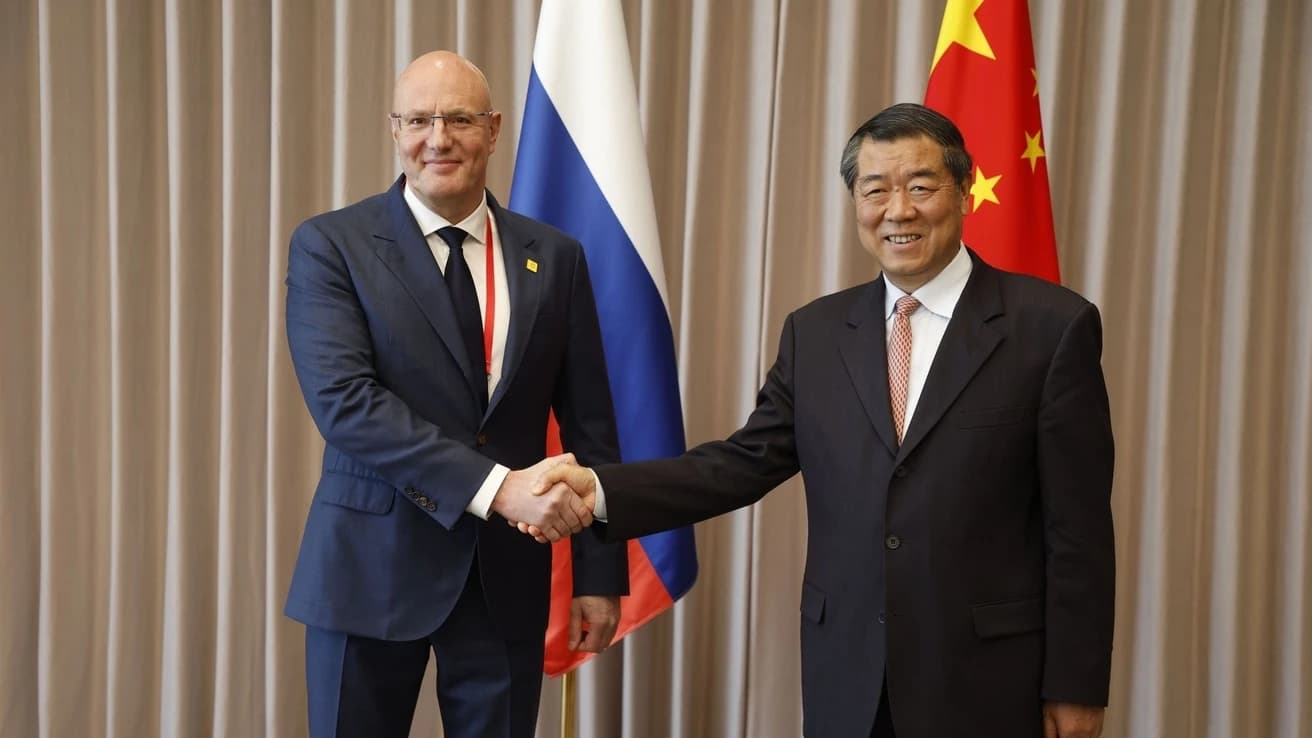
That was the message from the 30th session of the China-Russia government heads committee, co-chaired by Chinese Vice Premier He Lifeng and Russian Deputy Prime Minister Dmitry Chernyshenko by video link, where both sides pledged to expand cooperation in trade, investment, transport, agriculture, nuclear energy, aviation and space.
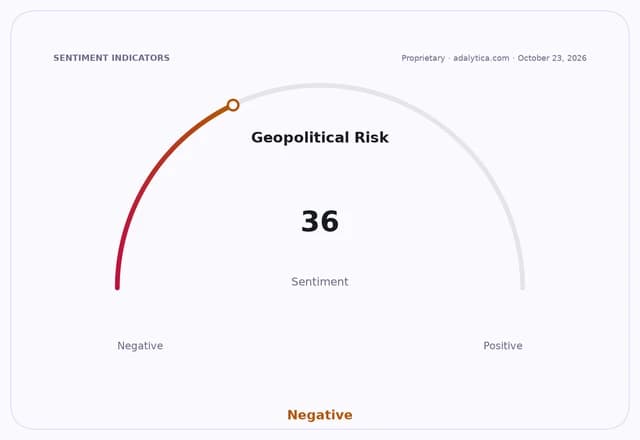
For investors, the significance is less about the diplomacy itself than what it implies for supply chains, commodity flows and the durability of the China-Russia economic axis. When two of the world’s largest powers vow to deepen ties in strategic sectors, they are not just exchanging polite statements — they are reinforcing a parallel trade and industrial network that can blunt the effect of sanctions, reroute demand and support demand for energy, raw materials and industrial equipment outside the Western system.
He said Beijing was ready to work with Moscow to implement “important common understandings” reached by the two countries’ leaders, while also broadening cooperation in green and low-carbon development and the digital economy. Chernyshenko said bilateral ties were becoming closer and collaboration on multilateral platforms was strengthening. That language matters because it shows the relationship is no longer limited to energy and commodities; it is broadening into higher-value sectors that can support longer-term economic integration.
The backdrop is a world in which Russia remains under intense external pressure and China is increasingly willing to provide an economic counterweight. Recent moves, including judicial cooperation meant to simplify trade and support Russian goods, suggest the two countries are building institutional scaffolding around the relationship rather than relying only on top-level political alignment.
Markets are already accustomed to some of this reorientation. China has become a crucial outlet for Russian trade, while Russia remains an important source of energy and industrial inputs for China. That matters for oil markets, freight routes, machinery demand and the pricing power of suppliers and importers across Eurasia. Any further normalization of this axis can support companies tied to shipping, energy infrastructure and commodity logistics, while adding pressure to Western firms facing tighter export controls and sanctions risk.
The latest meeting also fits a broader pattern: as geopolitical fragmentation deepens, trade tends to follow politics. That can create opportunities for exporters inside the China-Russia orbit, but it also raises the risk of more frictions with the U.S. and Europe, especially around sensitive technologies, aviation and energy-related equipment.
For long-term investors, the takeaway is straightforward. The China-Russia partnership is not a one-off headline; it is becoming a structural feature of the global economy. That makes it worth watching for its implications across energy, industrial supply chains and geopolitics, especially if the partnership continues to expand into green technology and digital infrastructure.
| Entity | Gains | Losses |
|---|---|---|
| China | ▲broader trade access | ▼higher sanctions scrutiny |
| Russia | ▲economic lifeline | ▼reduced Western isolation relief |
| Energy exporters | ▲steadier demand | ▼pricing pressure from redirection |
| Western firms | ▲ | ▼more export-control risk |