Russia is replenishing its armored reserves with newly built tanks and fighting vehicles near NATO’s northern flank, a sign that Moscow’s war economy is moving from emergency drawdown to rearmament — and that the military threat facing Europe may outlast the fighting in Ukraine.
Russia Rebuilds Tank Reserves Near NATO Borders
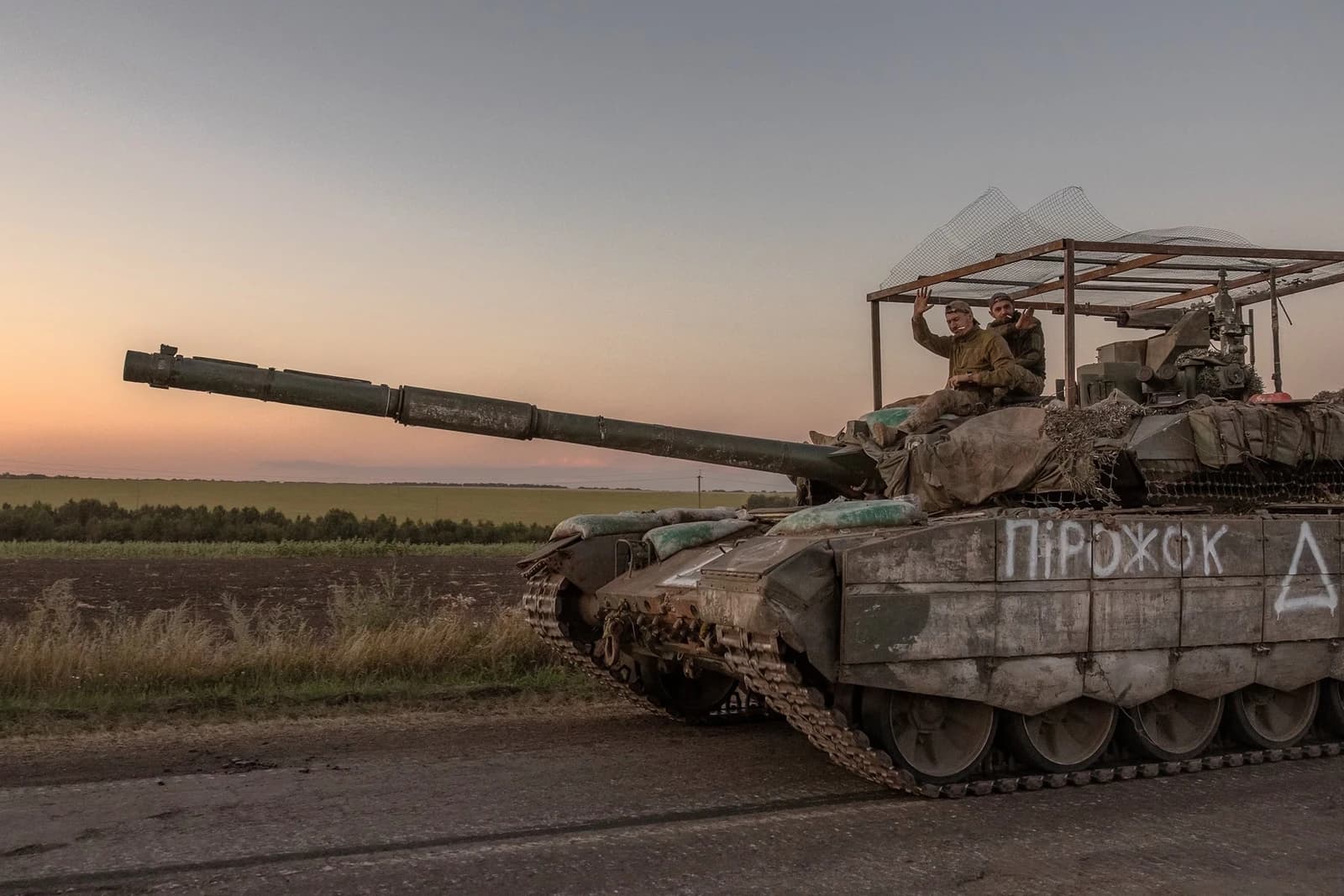
That matters because it changes the way investors should think about European defense spending. For the first two years of the war, Russia burned through Soviet-era stockpiles to keep pressure on Ukraine. Now, satellite images reviewed by open-source researchers suggest those same storage bases are filling again, not just with refurbished hardware but with fresh production from Russian plants. That implies Moscow is no longer merely scraping the bottom of the barrel; it is rebuilding a pipeline of armor that could support future operations even if battlefield tactics have shifted toward drones.
The clearest example is the 22nd Tank Storage Base in Buй, about 500 kilometers from the Estonian and Latvian borders, where newly produced T-90M tanks and BTR-82A armored personnel carriers have arrived over the past year. In Karelia, roughly 185 kilometers from Finland, storage sites have also received new Malva wheeled artillery systems and Hyacinth-K self-propelled guns. Farther east, the 349th central storage base in Topchikha saw roughly 78 tanks and more than 100 infantry fighting vehicles arrive over the summer, while the 6018th base received additional BMP-3 and BMD-4 vehicles.
This is not the same as Russia massing units for an immediate push. Analysts say the equipment remains in storage and is not assigned to frontline formations. But from an economic and strategic standpoint, the buildup is still important: it suggests Russian industry is producing, repairing and returning armored vehicles faster than the army is consuming them. That is a reversal from the early war years, when storage depots were emptied to offset heavy losses.
For investors, the implications are straightforward. A more durable Russian rearmament effort supports the case for sustained defense spending across Europe, especially in countries closest to Russia’s borders. It also reinforces demand for air defense, surveillance, communications, electronic warfare and counter-drone systems — the kinds of capabilities that matter in a conflict where armor is increasingly vulnerable. Lockheed Martin, Northrop Grumman and RTX are among the U.S. contractors positioned to benefit if NATO members keep lifting budgets and accelerating procurement. Northrop and RTX have both shown strong price momentum over the past year, though recent swings underscore how sensitive the group remains to headlines on war and peace.
The broader backdrop matters too. Russia is also expanding military infrastructure near the northern frontier of NATO, including facilities that could eventually house tens of thousands of additional troops. That fits a pattern of long-term militarization rather than a one-off wartime surge. It also means Europe’s security challenge is not just about Ukraine’s battlefield outcome, but about whether Moscow can translate wartime production into a more permanent force posture along the alliance’s edge.
For long-term investors, the takeaway is not to trade every spike in geopolitical fear, but to recognize a secular theme: Europe is likely entering a multi-year rearmament cycle. That can support defense names, but it also argues for patience and diversification, because procurement cycles are slow and political budgets can be fickle. The companies best positioned will be those with deep order backlogs, exposure to missile defense and electronics, and the ability to turn higher demand into free cash flow. This is a story worth watching, and for investors building a durable portfolio, the defense sector remains one of the clearest beneficiaries.
| Entity | Gains | Losses |
|---|---|---|
| NATO defense contractors | ▲Higher long-term orders | ▼Peace dividend |
| Russia | ▲Rebuilt armor reserves | ▼Strategic ambiguity |
| European governments | ▲Stronger deterrence case | ▼Higher defense budgets |
| Ukraine | ▲More NATO support momentum | ▼Prospect of prolonged war |