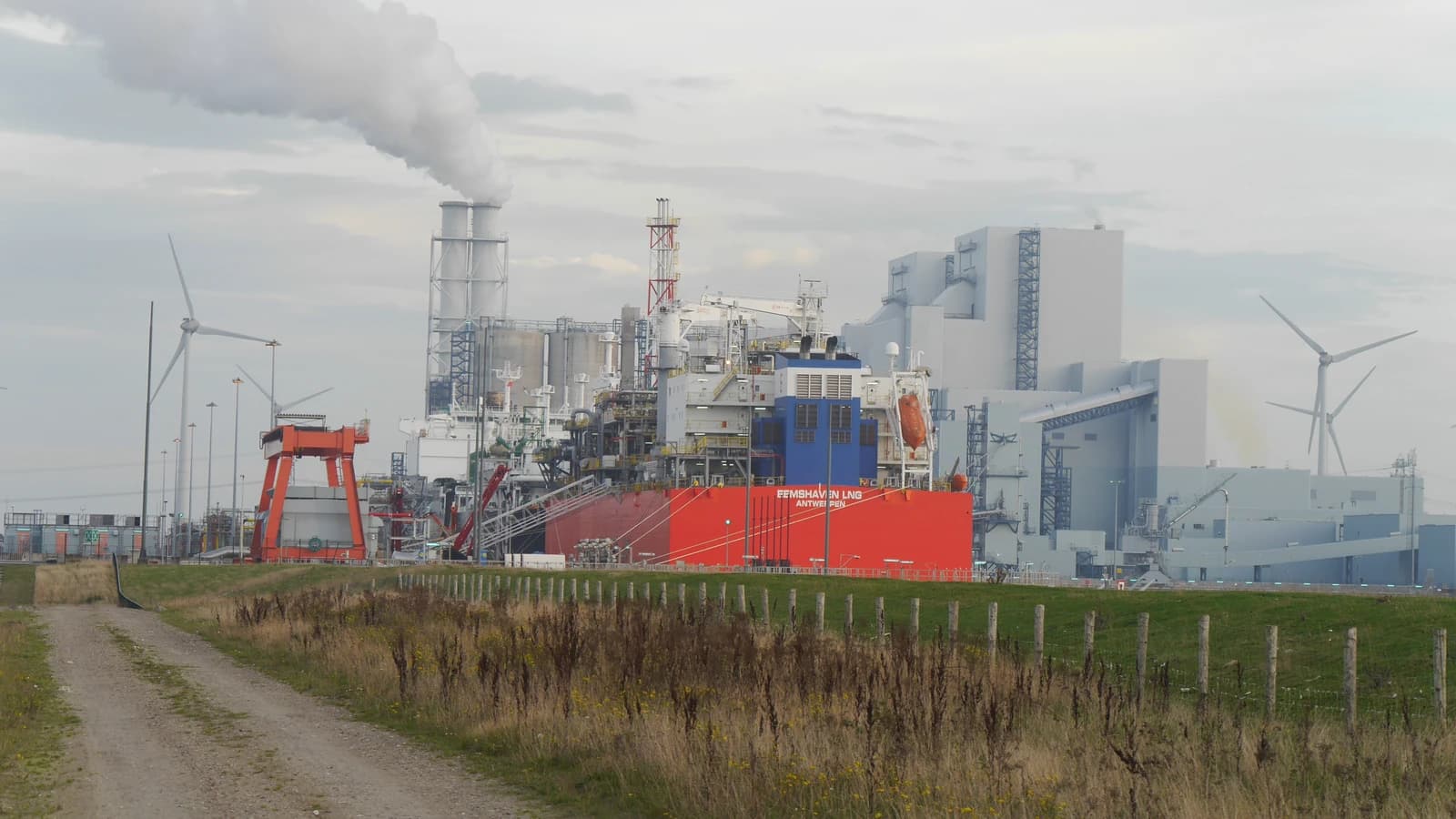
Natural gas is back at the center of global markets as Europe heads into winter with inventories still tight, Russia supply risks unresolved and gas-linked funds and energy shares rallying on expectations of higher prices.
Natural gas rally lifts energy shares
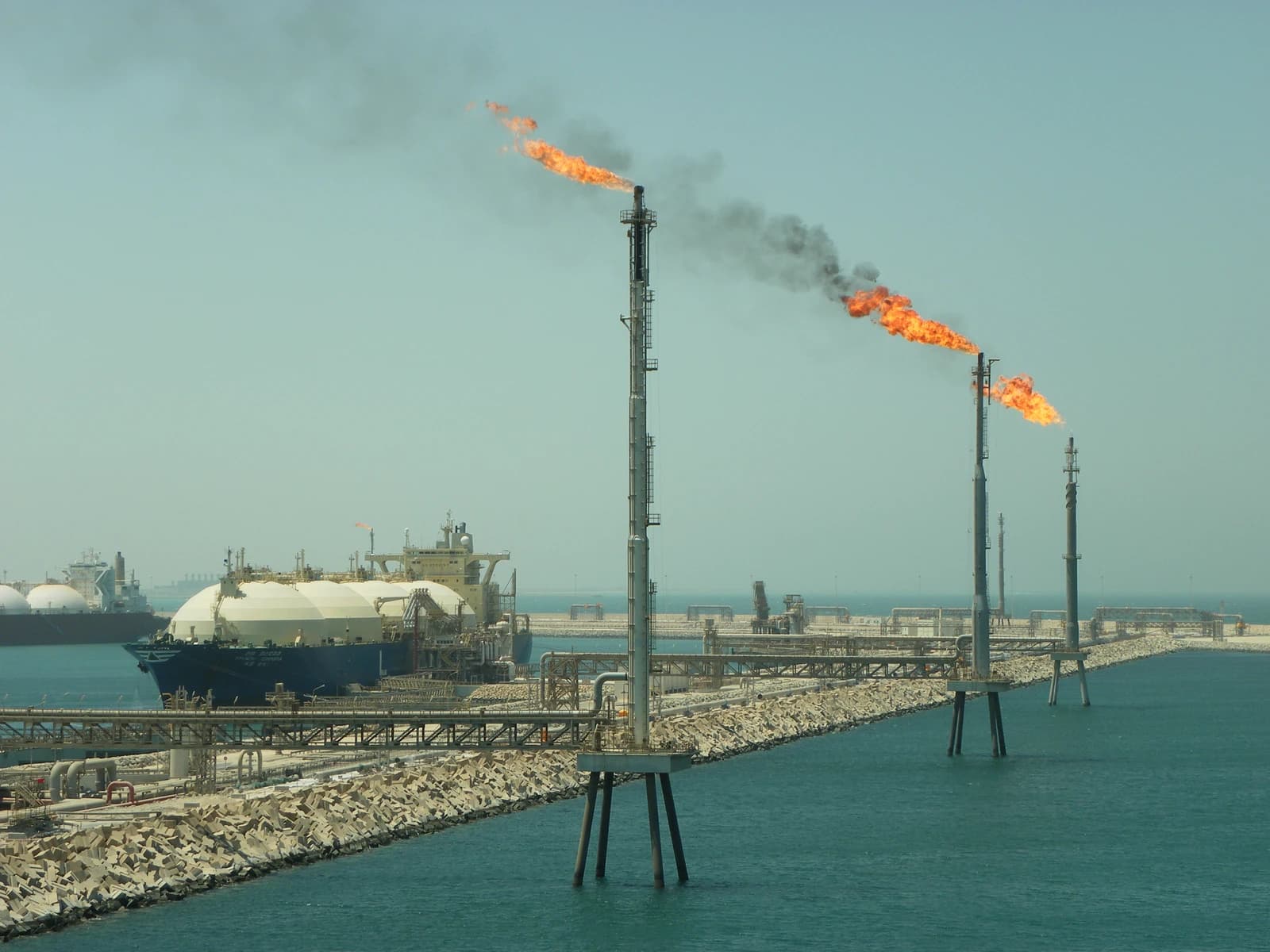
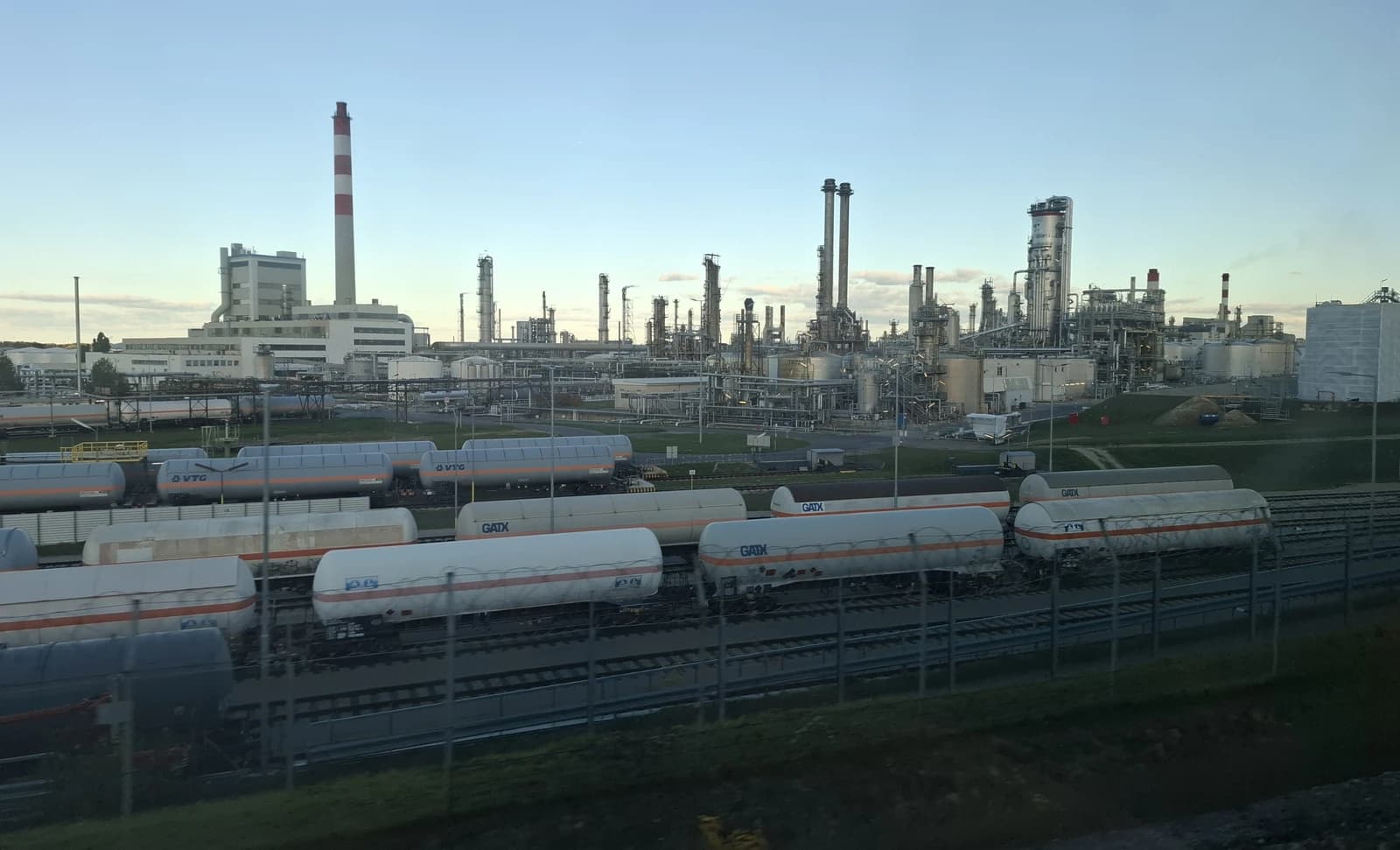
That matters because the countries with the largest proven reserves — led by Russia, Iran and Qatar, according to GlobalFirepower — sit at the core of the world’s supply security debate, and any disruption to their output or export routes can quickly feed through to Europe’s storage balance, LNG prices and power costs.
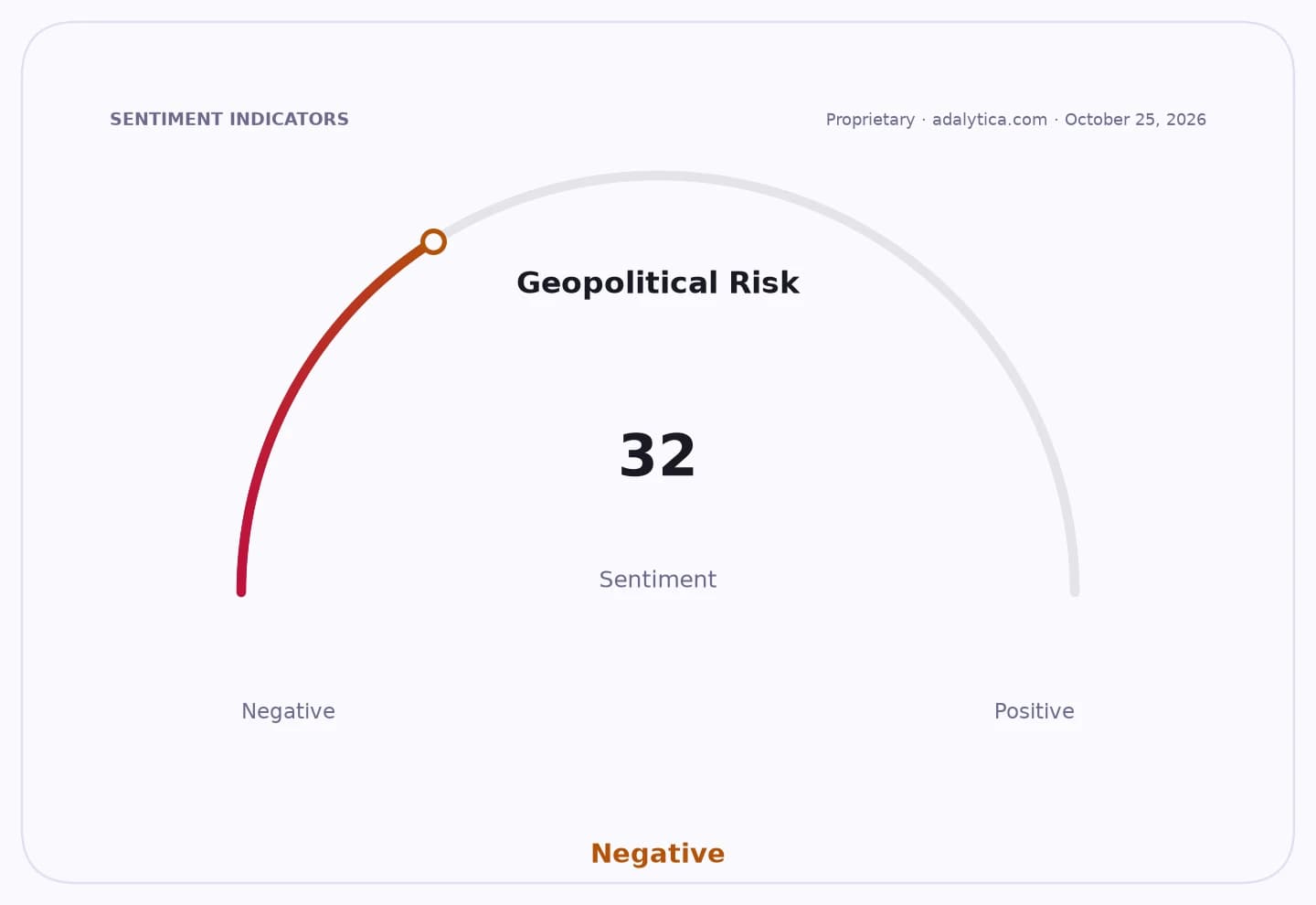
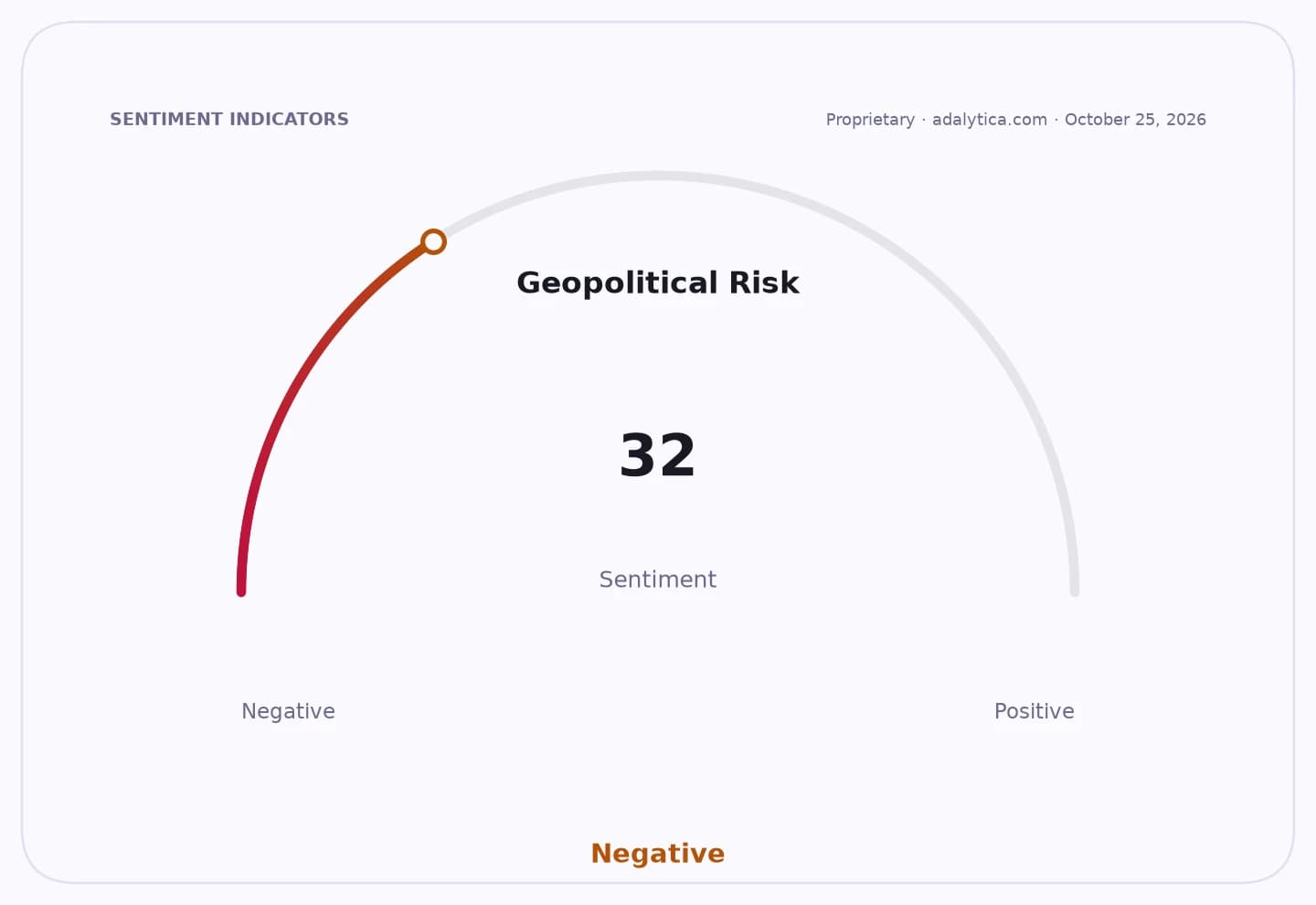
Sentiment Indicators
Natural Gas
The backdrop is a market that has already re-priced sharply. The U.S. gas benchmark tracked by NG showed Adalytica’s natural gas trade signals at 76, or “Greed,” with awareness at 92, while the sentiment gauge jumped 68 points over 30 days even after a 24-point drop in the past week. That kind of positioning usually leaves the market vulnerable to volatility if temperatures turn colder or pipeline flows weaken.
Energy equities have responded. The Energy Select Sector SPDR Fund rose to $68.51 on Oct. 27 from $44.73 a year earlier, while the First Trust Natural Gas ETF climbed to $32.21 from $23.72 over the same span, reflecting renewed investor demand for exposure to gas producers and related infrastructure.
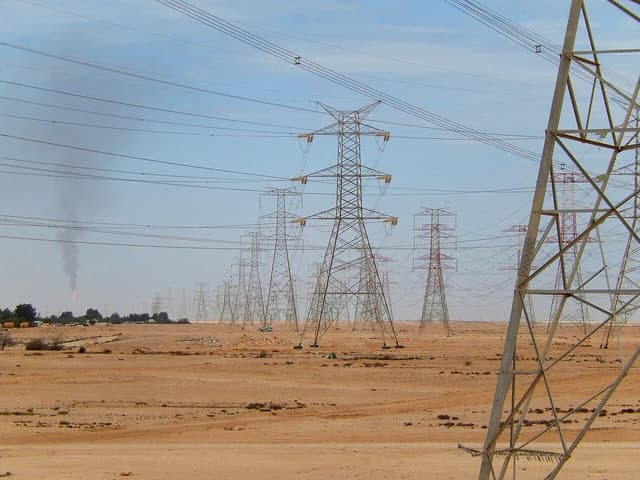
The move comes as Europe remains under pressure to rebuild storage before peak demand, and as governments and utilities weigh new supply agreements, additional reserves and faster diversification away from Russian gas. The larger story is not just who holds the gas, but who can move it, price it and store it fast enough to avoid another winter squeeze.
For investors, the key risk is that reserves do not automatically equal supply relief. If geopolitical frictions, export bottlenecks or weather shocks limit flow from the biggest reserve holders, gas prices can stay elevated, supporting producers and LNG names while squeezing consumers, importers and European industrial demand into year-end.
| Entity | Gains | Losses |
|---|---|---|
| Gas producers | ▲Higher realized prices | ▼Demand destruction risk |
| LNG exporters | ▲Stronger export margins | ▼Supply-chain bottlenecks |
| European importers | ▲Diversification incentives | ▼Higher winter costs |
| Consumers and industry | ▲None | ▼Heating and power bills |