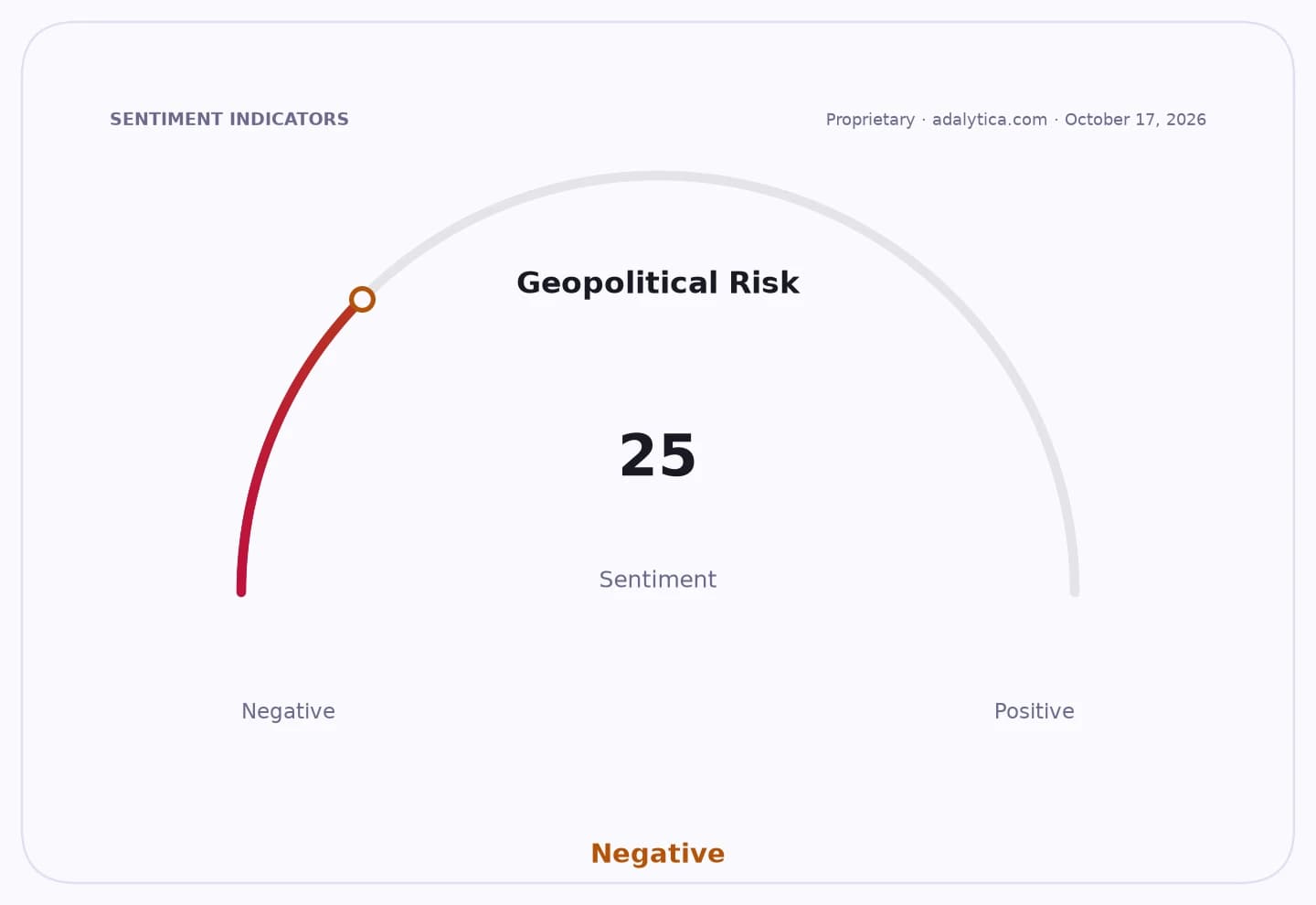
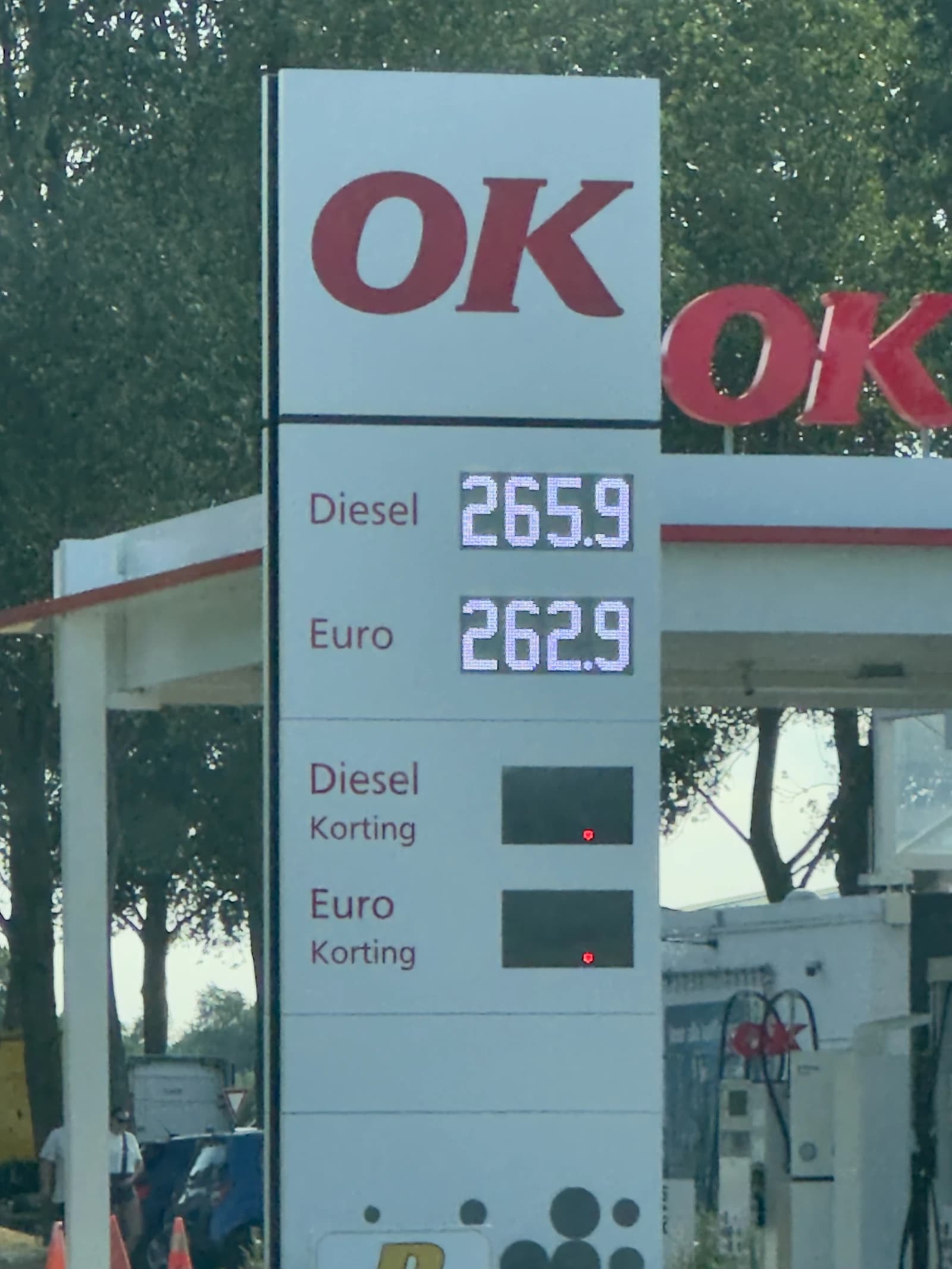
European shares were set to open lower on Tuesday as Brent crude held above $109 a barrel, extending a rally that is likely to keep energy costs and inflation pressure elevated just as political tensions in France and fresh bond-market stress weigh on investor sentiment.
Europe stocks to open lower as Brent stays above $109
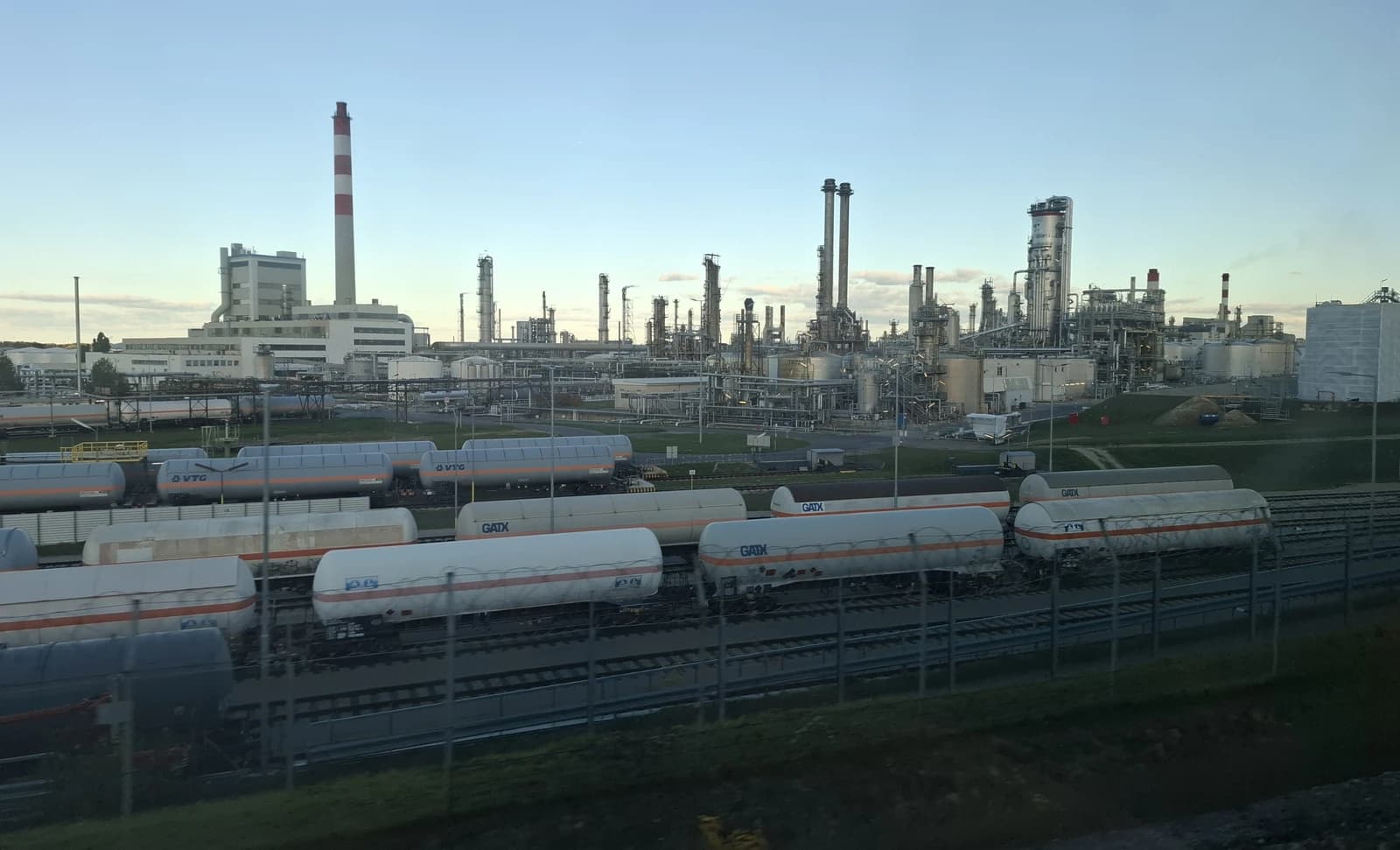
For investors, the combination matters because higher oil prices are not just a headline for traders — they feed directly into transport, manufacturing and household costs, and can make central banks less comfortable easing policy. That leaves stock markets vulnerable at a time when the region is already dealing with widening spreads on government bonds and renewed questions about fiscal stability in France and Italy.
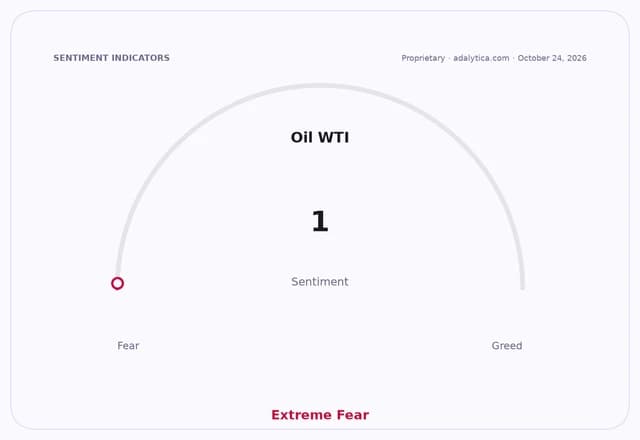
Sentiment IndicatorsⓘProprietary · adalytica.com · October 24, 2026
This is a snapshot — live sentiment, awareness and momentum for 130+ markets update continuously in the dashboard.Open AlphaPulse
The tone across Europe was weak before the opening bell, with IG futures pointing to declines of 0.6% for Italy’s FTSE MIB, 0.6% for Paris, 0.4% for Frankfurt and 0.5% for London. The pressure in rates markets was just as notable, with yields on several European government bonds rising and the gap over German Bunds widening as investors reassessed political risk.
France is the immediate focal point after protests added another layer of uncertainty to a market already wary of budget discipline ahead of next year’s presidential election. That matters because persistent unrest and fiscal doubts can keep global capital on the sidelines, especially when debt markets are signaling more caution.
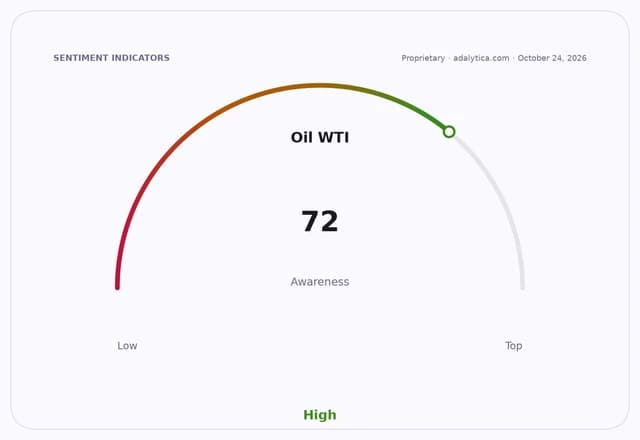
Brent’s resilience is the other side of the story. Oil at $109.92 a barrel reflects both escalating conflict risks in the Middle East and Eastern Europe and lingering concerns about supply, even as some flows from the Persian Gulf show signs of recovery. In other words, the market is still paying a geopolitical premium, and that premium can linger longer than traders expect.
That backdrop helps explain why energy stocks are among the relative winners while broader equities remain under pressure. Oil producers and integrated energy companies benefit from higher crude, but consumers, airlines, industrials and much of the European market face a tougher margin environment if input costs stay elevated.
Company news reinforced that split. Eni rose after it completed the Bouri Gas Utilization Project in Libya, a reminder that energy groups can still unlock value from projects that improve recovery and output. Prysmian also completed its $3.8 billion purchase of Atkore, a deal that strengthens its US footprint in electrical and infrastructure solutions, though the stock fell in early trade as investors digest the price tag and integration risk.
At the same time, higher borrowing costs and more fragile risk appetite are hitting more domestically exposed names. Banco BPM fell after Jefferies cut its price target, while BFF Bank and other financials came under pressure as investors continued to reassess Italian and French exposure. That is the broader market narrative here: geopolitics are keeping oil expensive, expensive oil is reinforcing inflation worries, and inflation worries are feeding back into bonds and equities.
The next catalyst will be data, not just headlines. UK unemployment figures, German producer prices, eurozone current-account data and the ZEW sentiment survey will all help investors judge whether Europe’s economy can absorb higher energy costs without a sharper slowdown. For long-term investors, the message is simple: this is a market to approach with discipline, favoring companies with pricing power, strong balance sheets and global demand, while keeping a close eye on whether oil’s surge begins to infect earnings expectations more broadly.
| Entity | Gains | Losses |
|---|---|---|
| Energy producers | ▲Higher crude prices | ▼Fuel and input-cost pressure |
| European consumers | ▲— | ▼Higher transport and heating costs |
| Banks and domestic equities | ▲— | ▼Wider bond spreads, weaker sentiment |
| Oil-linked stocks | ▲Revenue tailwind | ▼Valuation risk if volatility persists |