China is widening its lead over Poland in the European Union’s household-appliance market, a shift that is putting pressure on Polish factories, threatening more closures and underscoring how Europe’s manufacturing base is being eroded by lower-cost Asian competition.
China gains EU appliance share as Poland loses ground

That matters because appliances are not a niche business for Poland. The sector employs more than 100,000 people, supports dozens of factories and feeds a wider industrial supply chain, making it one of the country’s more important export industries even as policymakers have focused elsewhere. If the trend continues, the damage will not be limited to company balance sheets: it would hit jobs, investment and regional economies, while weakening Europe’s ability to produce strategically important consumer goods at home.
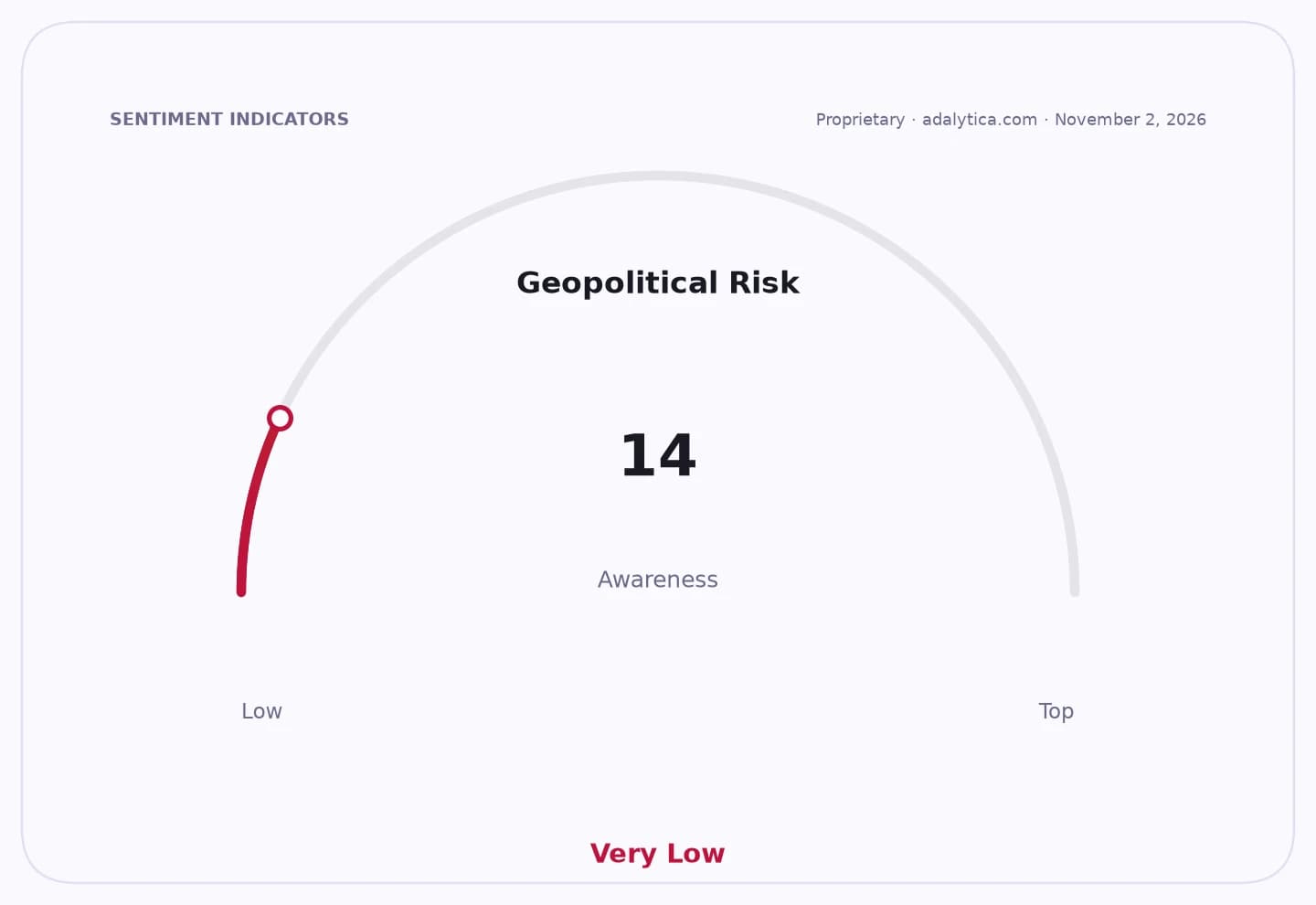
Sentiment Indicators
By July, imports of large and small appliances from China into the EU had reached more than 26.5 million units, up 12.1% from a year earlier, according to Eurostat and APPLiA Polska. Polish shipments, by contrast, slipped 0.8% to 9.1 million units. China now accounts for more than 38% of the bloc’s appliance market, while Poland’s share has fallen to 13.2%.
The value gap is widening too. EU imports from China rose 12.9% to more than 3.2 billion euros, while exports from Poland fell 6% to just over 2 billion euros. Industry executives say the shift has accelerated since the pandemic and reflects a deliberate Chinese export strategy backed by tax relief, logistics support and financing advantages that European manufacturers cannot match.
For investors, the pressure points are clear. Polish and broader European appliance makers face a cost base burdened by energy, climate-related compliance and regulation, while imported products arrive without bearing the same full burden of EU carbon costs. That leaves domestic producers squeezed between stagnant demand and cheaper competition, a combination that has already led to five factory closures in Europe last year, according to the industry.
The main listed beneficiaries of the import surge are Asian manufacturers and European importers, while the losers are local producers such as Amica, BSH and Beko Europe’s regional operations, along with their suppliers and workforces. Whirlpool’s shares have also reflected the strain in the broader appliance cycle, with the stock trading well below its 200-day moving average and its RSI in oversold territory in recent sessions, showing how weak sector sentiment has become.
Brussels is trying to respond through a carbon-border adjustment mechanism, or CBAM, but the proposal now under discussion would initially cover only three appliance categories: washing machines, refrigerators and dryers. That would affect less than half of Poland’s large-appliance output, according to the industry. Producers want the scope widened to dishwashers, ovens, hobs and hoods, and they also want tougher enforcement of safety and efficiency rules on imports.
Even then, the protection may be limited. Industry executives say the proposed CBAM would add only about 2-3 euros a unit to Chinese products, far short of the gap needed to restore parity with European production costs. The real question for investors is whether policymakers move fast enough to prevent another round of closures, consolidation and offshore production, or whether Europe’s appliance industry continues to lose share to China piece by piece.
| Entity | Gains | Losses |
|---|---|---|
| Chinese appliance makers | ▲EU market share | ▼Pricing pressure |
| Polish appliance producers | ▲— | ▼Output, margins, jobs |
| EU consumers/importers | ▲Cheaper supply | ▼Domestic industrial base |
| Brussels policymakers | ▲Regulatory leverage | ▼Industrial credibility if delayed |