Poland has become the world’s third-largest furniture exporter, underscoring how the country has turned a once-labour-intensive industry into a major hard-currency earner even as global demand shifts and production continues to move offshore.
Poland furniture exports reach third place globally
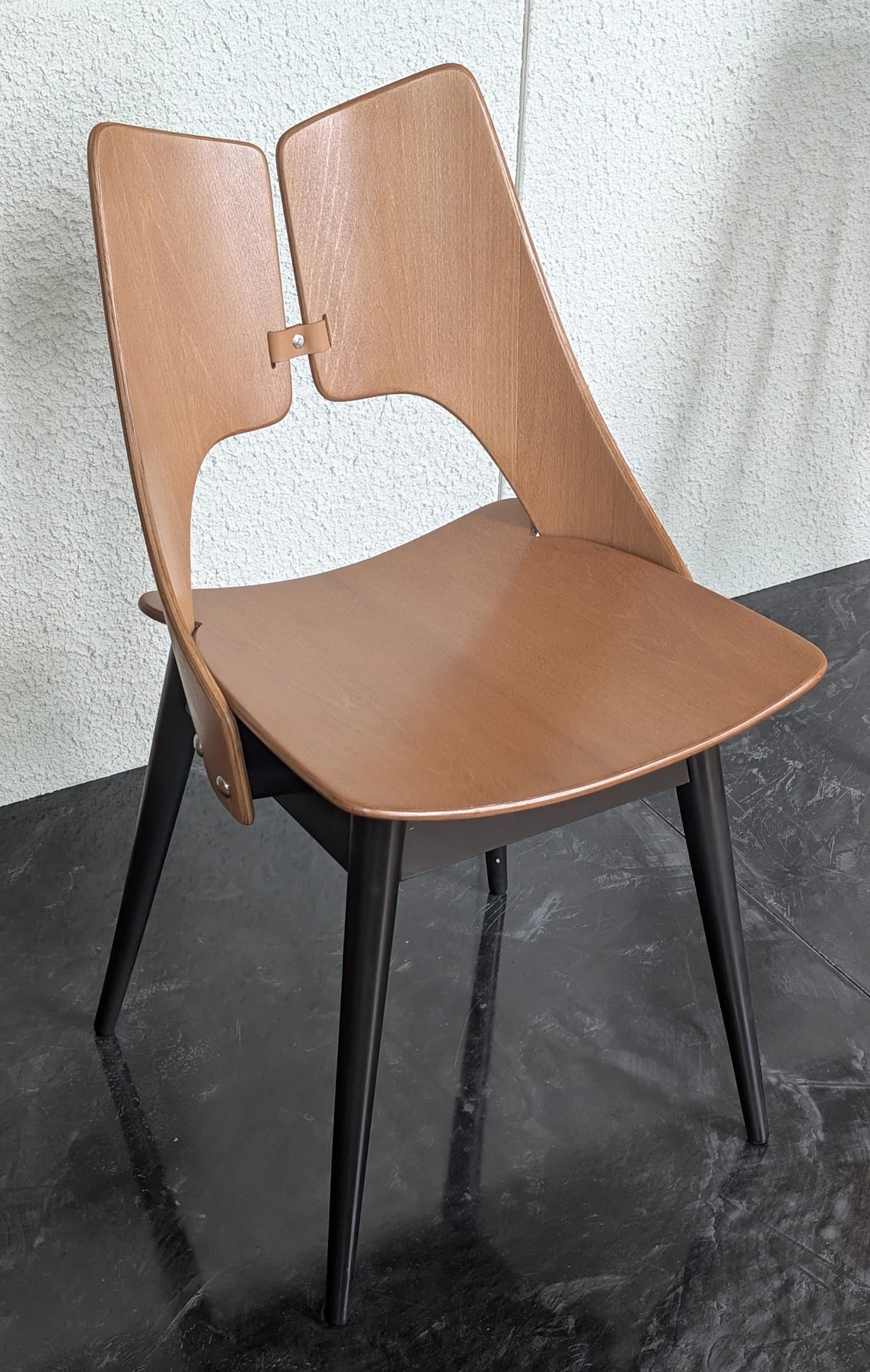
The ranking matters because furniture is one of the clearest examples of how Central Europe has captured manufacturing that once sat in higher-cost Western markets. According to PKO BP, Poland now accounts for about 6% of global furniture exports, behind only China and Germany, with shipments rising 10.2% between 2022 and 2025 to more than 16.8 billion euros. That growth has come despite a tougher backdrop for the sector: the value of the Polish furniture market fell on average 1% a year in 2023-2025 before forecast growth resumes in the years ahead.
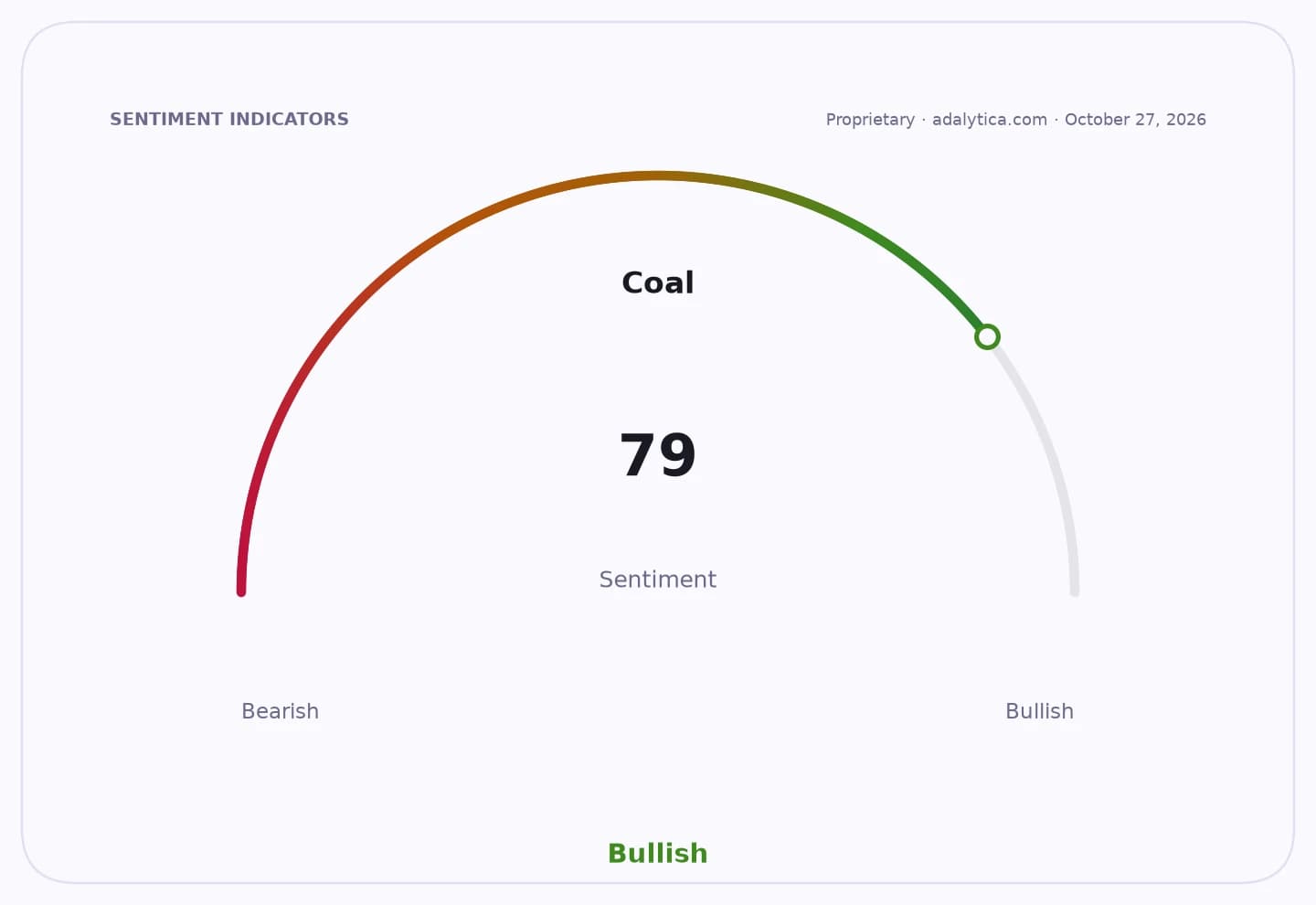
Sentiment Indicators
For investors and policymakers, the bigger story is not just the export ranking but the industry’s role in Poland’s broader industrial model. Furniture remains one of the country’s most internationally exposed sectors, heavily dependent on external demand and especially on Germany, which took about a third of Polish furniture exports last year. The next-largest destinations — the Czech Republic, the Netherlands and France — together accounted for another 21.6%, meaning roughly three-quarters of exports are concentrated in just 10 markets. That concentration leaves producers exposed to any slowdown in European consumption, but it also shows the sector’s entrenched position in regional supply chains.
The data also highlight how Poland sits in the middle of a global production reshuffle. China remains the dominant exporter with more than 104 billion euros in shipments, or 37.9% of the world total, while the US is the biggest importer at nearly 59 billion euros. Against that backdrop, Poland’s rise reflects the outsourcing of manufacturing toward lower-cost European hubs, a trend reinforced by the recent move by Australia’s Fantastic Furniture to shut its last domestic plant and shift production to China and Vietnam.
At home, the sector remains sizeable but not rapidly expanding. The Polish furniture market was worth 56.7 billion zlotys last year, and PKO BP sees average annual growth of 1.6% through 2031, enough to reverse the recent decline but not enough to suggest a surge in domestic demand. E-commerce, meanwhile, still trails global norms: online channels generated 24.4% of revenue in Poland last year versus a world average of 36%, pointing to room for digital expansion but also a structural gap versus more mature markets.
For investors, the bull case is that Polish furniture makers remain well placed to benefit from Germany’s demand, the country’s manufacturing base and continued European nearshoring. The bear case is that the industry’s export strength is vulnerable to weaker household spending, tighter margins and a small set of key markets. The key question now is whether Poland can defend its position as the sector’s low-cost production centre while moving further up the value chain.
| Entity | Gains | Losses |
|---|---|---|
| Poland’s furniture exporters | ▲Higher export share | ▼Demand concentration risk |
| Germany | ▲Reliable regional supply | ▼Domestic production share |
| Chinese manufacturers | ▲Global scale advantage | ▼Pressure from nearshoring rivals |
| Polish domestic retailers | ▲More local supply depth | ▼Slow growth in online sales |