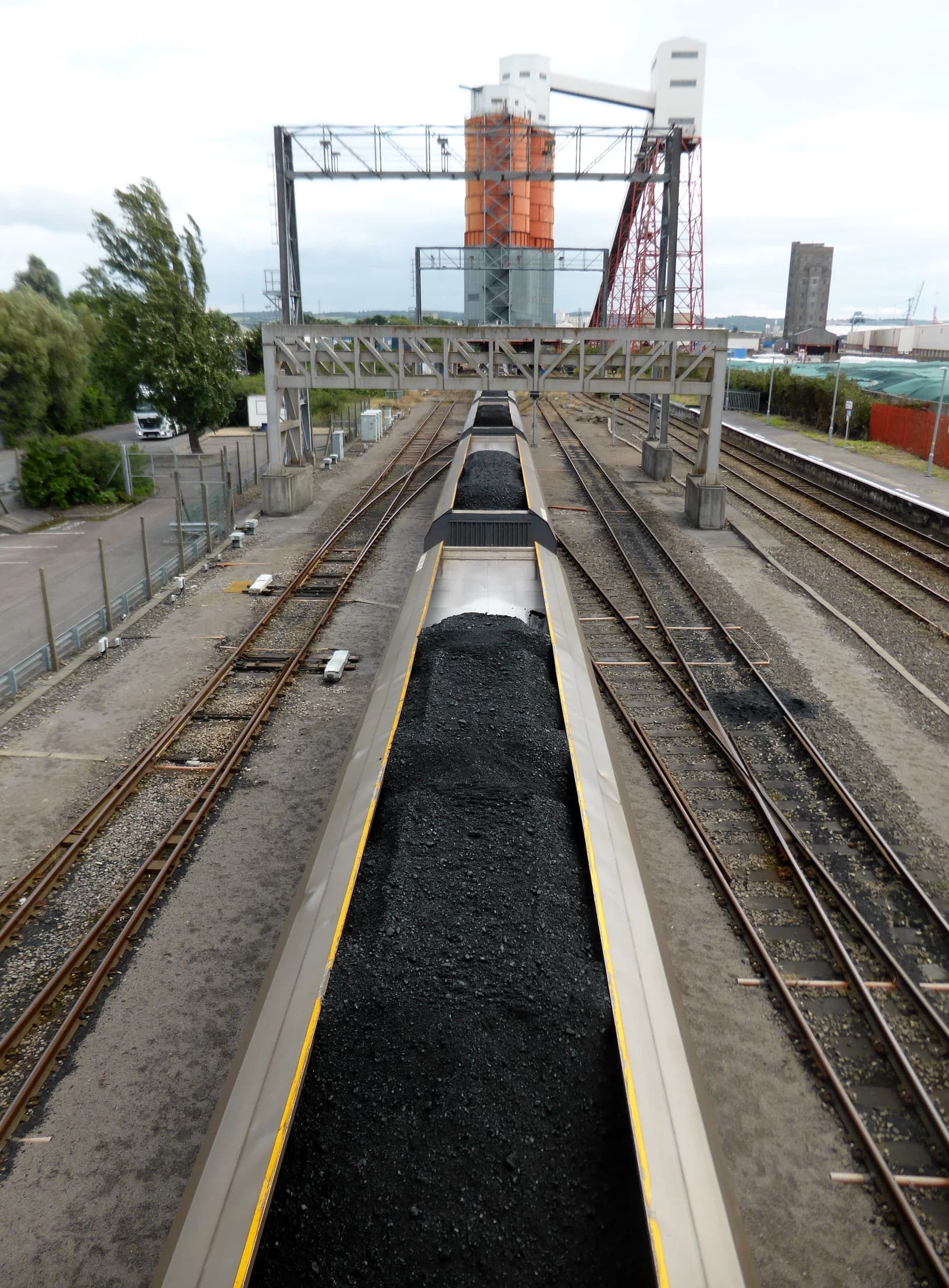
As the heating season gets underway, coal and pellet prices in Polish warehouses have surged, and the jump is hitting households that waited too long to buy winter fuel. That matters because this is not just a seasonal shopping headache: it shows how a supply shock in imported coal can quickly feed through to household budgets, local fuel merchants and, ultimately, the cost of keeping homes warm.
Poland coal and pellet prices rise before winter
Coal
In Topola Królewska, one trader said eco-pea coal now sells for 2,060 zlotys a ton, up from 1,400 zlotys in October 2025, while pellets have risen to 2,360 zlotys from 1,600 zlotys. Another warehouse quoted pellet at 2,400 zlotys a ton, compared with 1,390 zlotys in October, and hard coal grades at roughly 2,100 to 2,250 zlotys a ton. For households that delayed purchases, the message is simple: winter fuel costs have moved sharply higher before the coldest months even begin.
Sentiment Indicators
The most important driver is a disruption in coal logistics, not just broader inflation. Russia has halted rail transit of Kazakh coal to Poland through the Krasnoje-Osinovka crossing, cutting off a route that had supplied more than 60% of Poland’s import needs, according to local reporting cited by the article. When a country that still depends heavily on imported coal loses access to a major source, warehouse inventories can tighten fast and pricing power shifts to sellers.
That is economically significant well beyond the coal yard. Poland’s households are still sensitive to heating costs, especially in rural areas where coal remains a practical winter fuel. Higher warehouse prices translate into higher utility bills, more pressure on disposable income and a bigger seasonal drain on consumer spending. They also strengthen the case for energy-saving upgrades — from heat pumps to more efficient electric heating — which could gradually erode demand for traditional coal and pellet over time.
Investors have reason to pay attention too. U.S. coal producers such as Peabody Energy and Arch Resources’ successor peers can benefit when coal sentiment turns more constructive, and the broader coal complex has been firming. Peabody’s shares have been volatile, but its 50-day moving average remains above its 200-day average, a sign the stock has still been trading in a stronger intermediate-term trend even after recent weakness. Adalytica’s Coal Fear & Greed Index also shows “Greed” at 79, underscoring how quickly optimism can return to the sector when supply tightens.
By contrast, consumers and fuel retailers in Poland are on the losing side in the near term. Warehouse owners can pass through some of the higher costs, but they also face demand that may soften if buyers switch to pellets, electric heaters or heat pumps. Longer term, that substitution risk matters: every winter price spike pushes more households to rethink whether coal is worth the hassle.
For investors, the takeaway is not to chase a one-week move, but to recognize the bigger theme. Energy security, winter fuel inflation and supply-chain fragmentation are still real market forces, and they can keep coal prices elevated even when global headlines move on. That makes the coal trade worth watching, and the push toward cheaper, more efficient home heating worth owning for the long run.
| Entity | Gains | Losses |
|---|---|---|
| Coal sellers/warehouses | ▲Higher margins | ▼Price-sensitive buyers |
| Polish households | ▲Winter prep if bought early | ▼Higher heating bills |
| Coal producers/exporters | ▲Better pricing leverage | ▼Import-dependent markets |
| Heat pumps/electric heating providers | ▲More demand | ▼Coal and pellet demand |