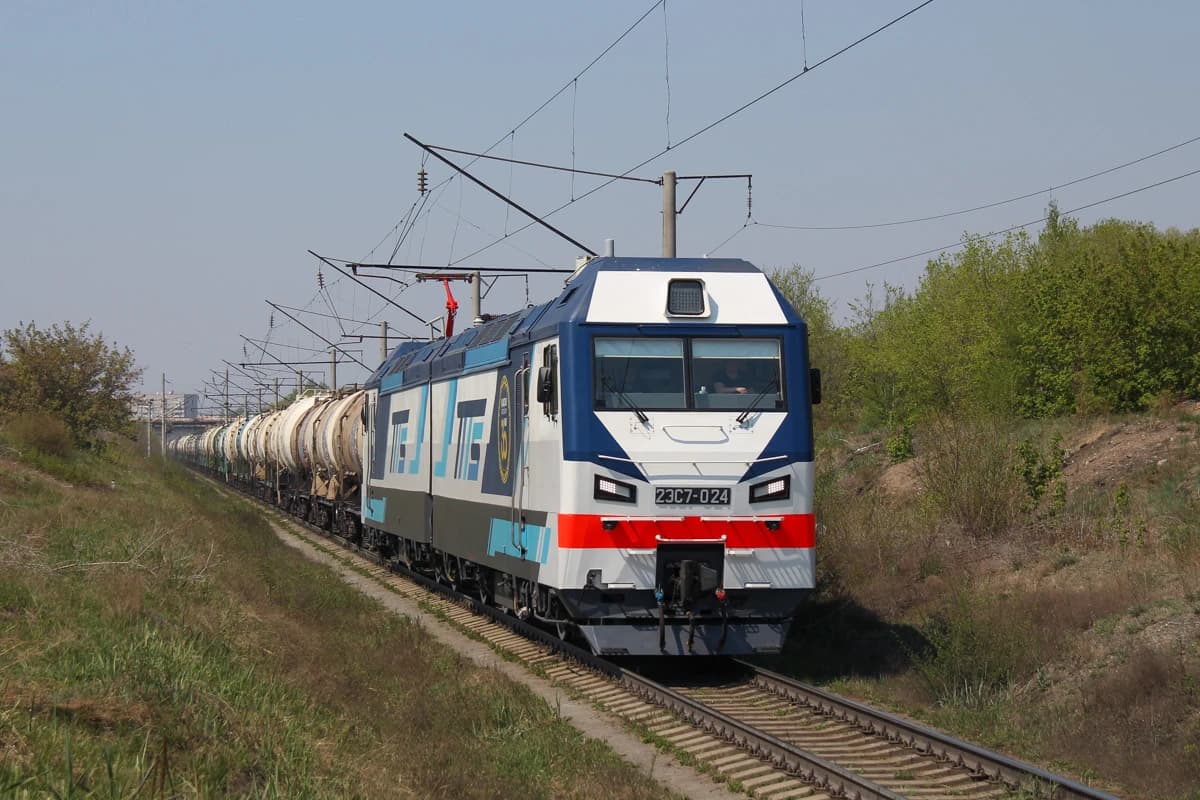
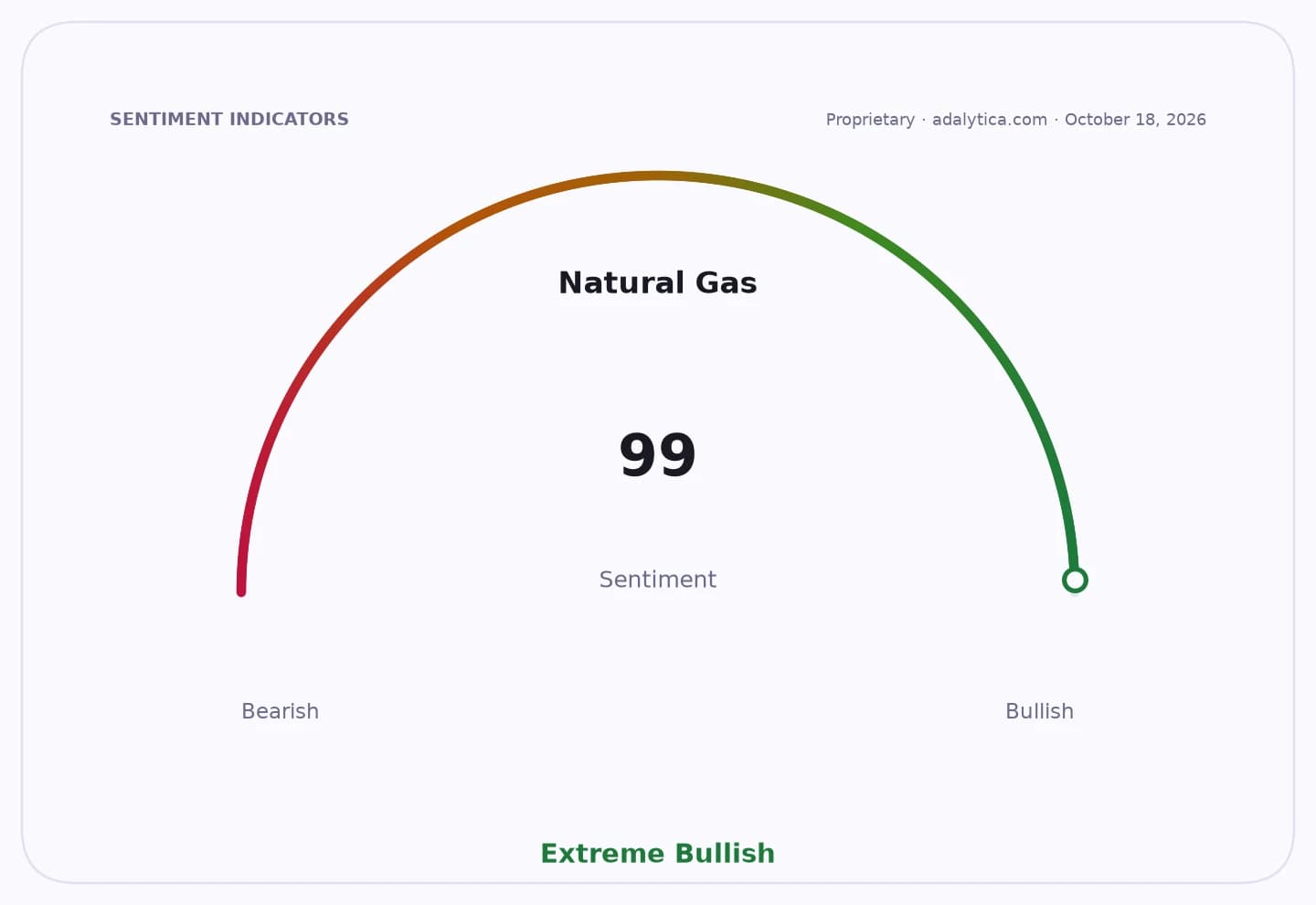
Coal is getting more expensive again, but the bigger problem for Poland’s heating market is that supply is tightening just as households are preparing for winter. Retail coal in Poland is now running around 1,800 to 2,500 zlotys a tonne, and traders say the combination of higher transport costs, constrained imports and weak domestic sales logistics is set to push prices higher still.
Poland coal prices rise as winter supply tightens
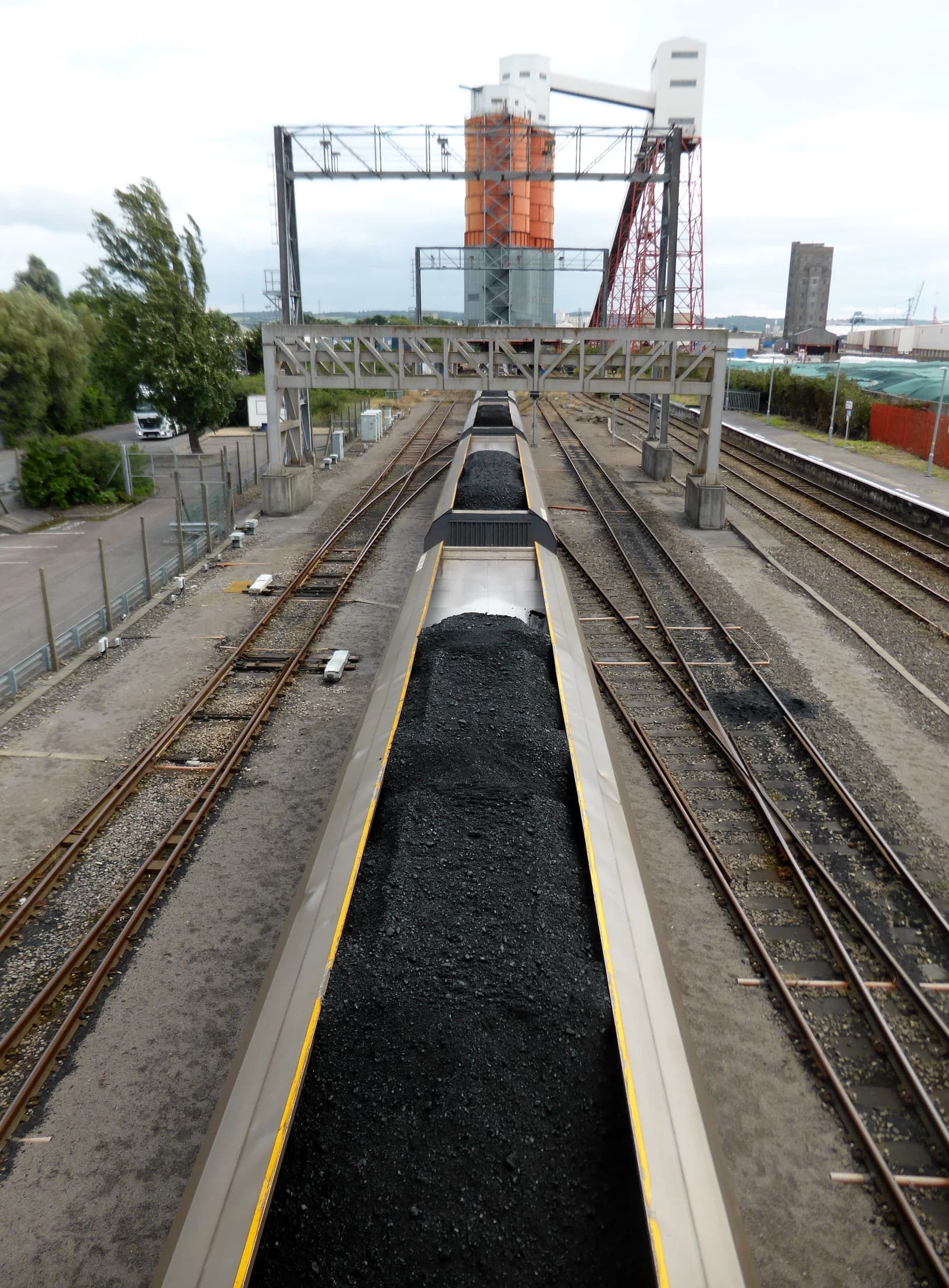
The pressure is most acute in the market for individual consumers, where demand tends to jump as temperatures fall. That seasonal pattern usually lifts prices, but this year traders and union officials say the market is being strained by logistical bottlenecks from overseas suppliers and by delays at home.
Sentiment IndicatorsⓘProprietary · adalytica.com · October 23, 2026
This is a snapshot — live sentiment, awareness and momentum for 130+ markets update continuously in the dashboard.Open AlphaPulse
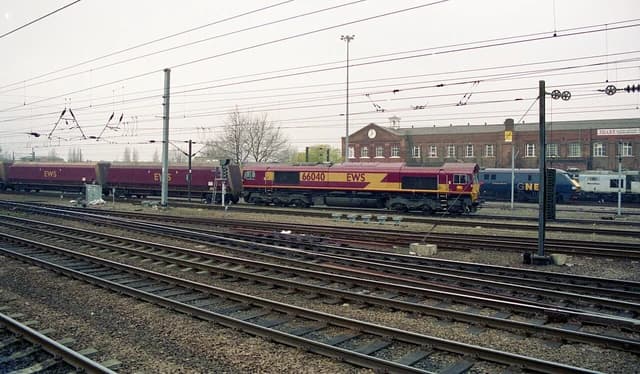
Bogusław Ziętek, head of the Sierpień 80 union, said rail problems through Russian territory could cut off shipments from Kazakhstan at any moment, while access to Colombian coal is also getting harder as shipping competition intensifies and freight costs rise. He added that the port of Gdańsk is prioritizing state-backed cargoes, including deliveries handled by Węglokoks, leaving less room for commercial flows and compounding shortages in regional depots.
That matters economically because coal remains a key household heating fuel in Poland, and scarcity during the heating season can quickly feed into consumer inflation and raise living costs for lower-income households. It also increases the risk that local distributors face margin pressure if they cannot pass through rising logistics and procurement costs fast enough.
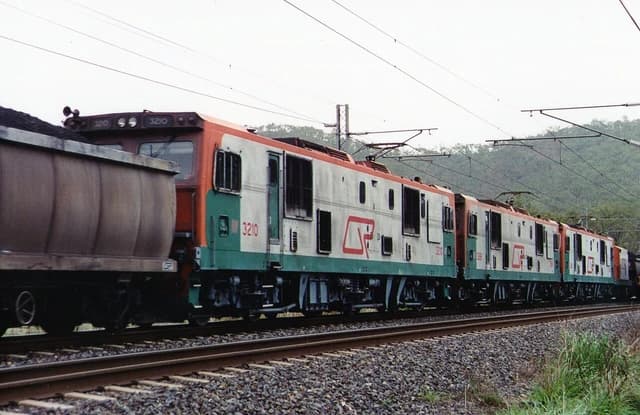
Domestic output is not filling the gap. Ziętek said Poland’s producers are failing to keep up with current demand, while sales systems at major miner Polska Grupa Górnicza are poorly organized, leading to longer queues at mines and limited availability on the open market. The result is a market where buyers are chasing fewer tons, a setup that typically supports speculative price spikes.
For investors, the story is less about a broad coal boom than about fragmentation in the supply chain. Coal miners and traders may benefit from higher realized prices in the short term, but the sector is also exposed to transport disruptions, working-capital strain and reputational pressure as households face shortages. Peers such as Peabody Energy’s BTU shares have already been volatile, with the stock sliding to $22.43 on Oct. 22 from $39.25 in March, while technical readings show it trading below both the 50-day and 200-day moving averages and RSI near 29, a sign of weak momentum.
The broader backdrop remains unstable. Adalytica’s Coal Fear & Greed Index shows sentiment at 50, or neutral, but awareness at 4, labeled extreme fear, underscoring how quickly market confidence can swing on supply news. If temperatures fall and logistics remain constrained, the next catalyst is likely to be another round of price spikes rather than relief.
| Entity | Gains | Losses |
|---|---|---|
| Coal traders | ▲Higher spot prices | ▼Thin available supply |
| Polish households | ▲None | ▼Higher heating bills |
| Domestic miners | ▲Stronger pricing power | ▼Queue pressure and delivery strain |
| Import suppliers | ▲Limited access to market | ▼Transport and freight bottlenecks |