India and Poland are pressing to accelerate an India-EU free trade deal and double bilateral trade by 2030, a push that could widen market access for machinery, chemicals, engineering goods and capital into one of Europe’s fastest-growing economies.
India and Poland push India-EU trade deal
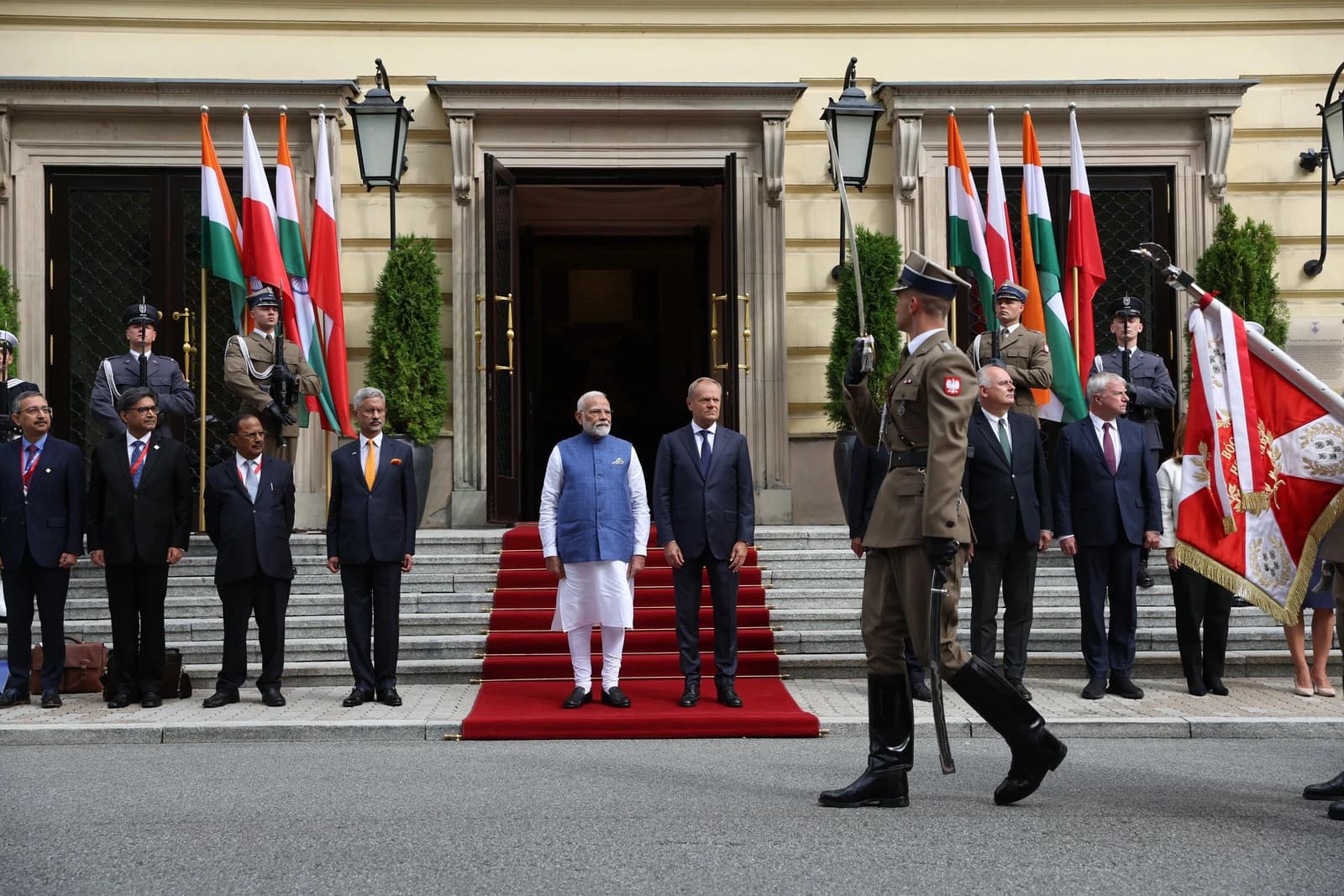
The biggest economic significance is the attempt to lock in lower trade barriers just as India seeks to diversify supply chains and draw more foreign investment into manufacturing, defense, railways, mobility and advanced technology. For investors, that raises the odds of more cross-border business for exporters, industrials, logistics firms and defense suppliers on both sides.
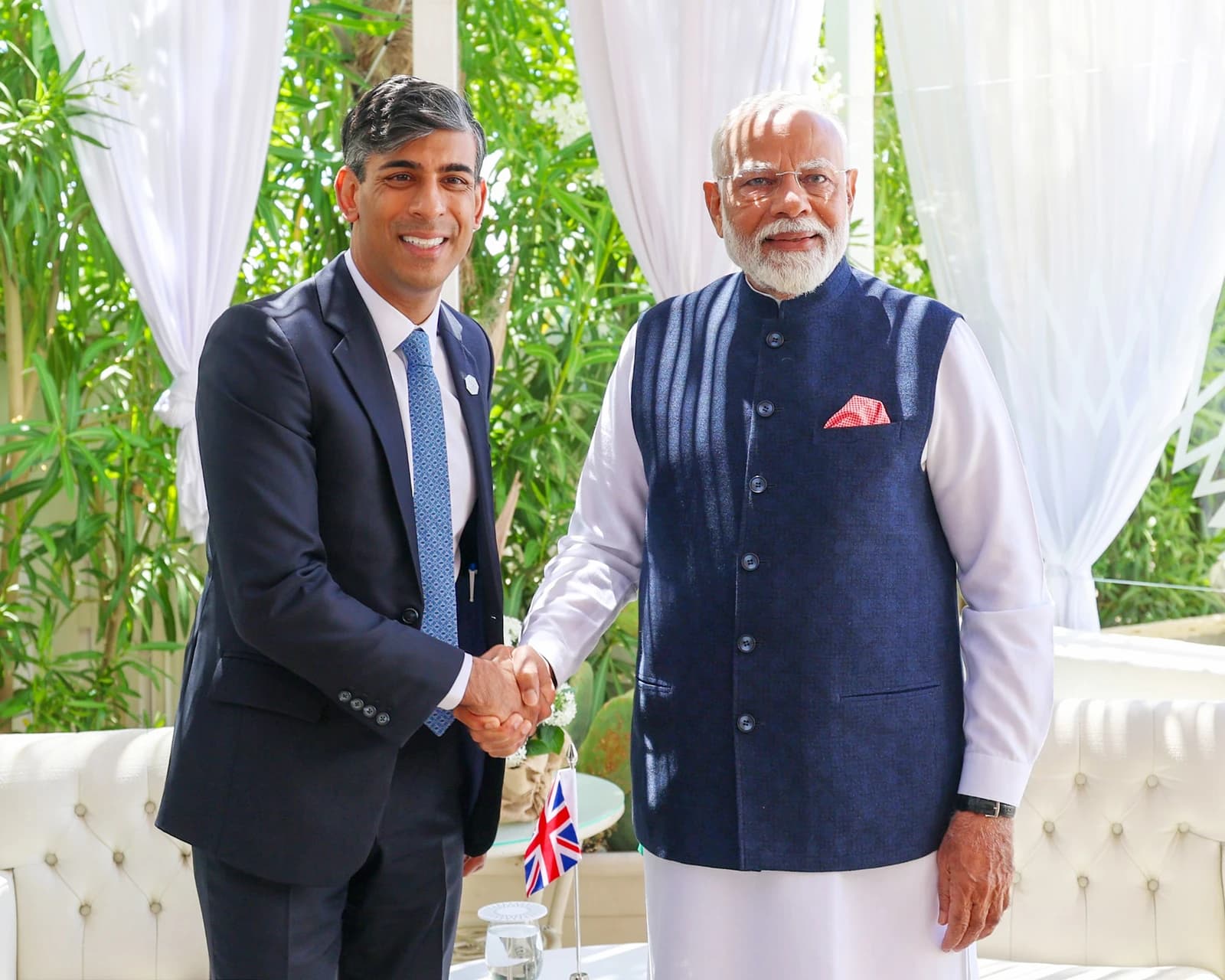
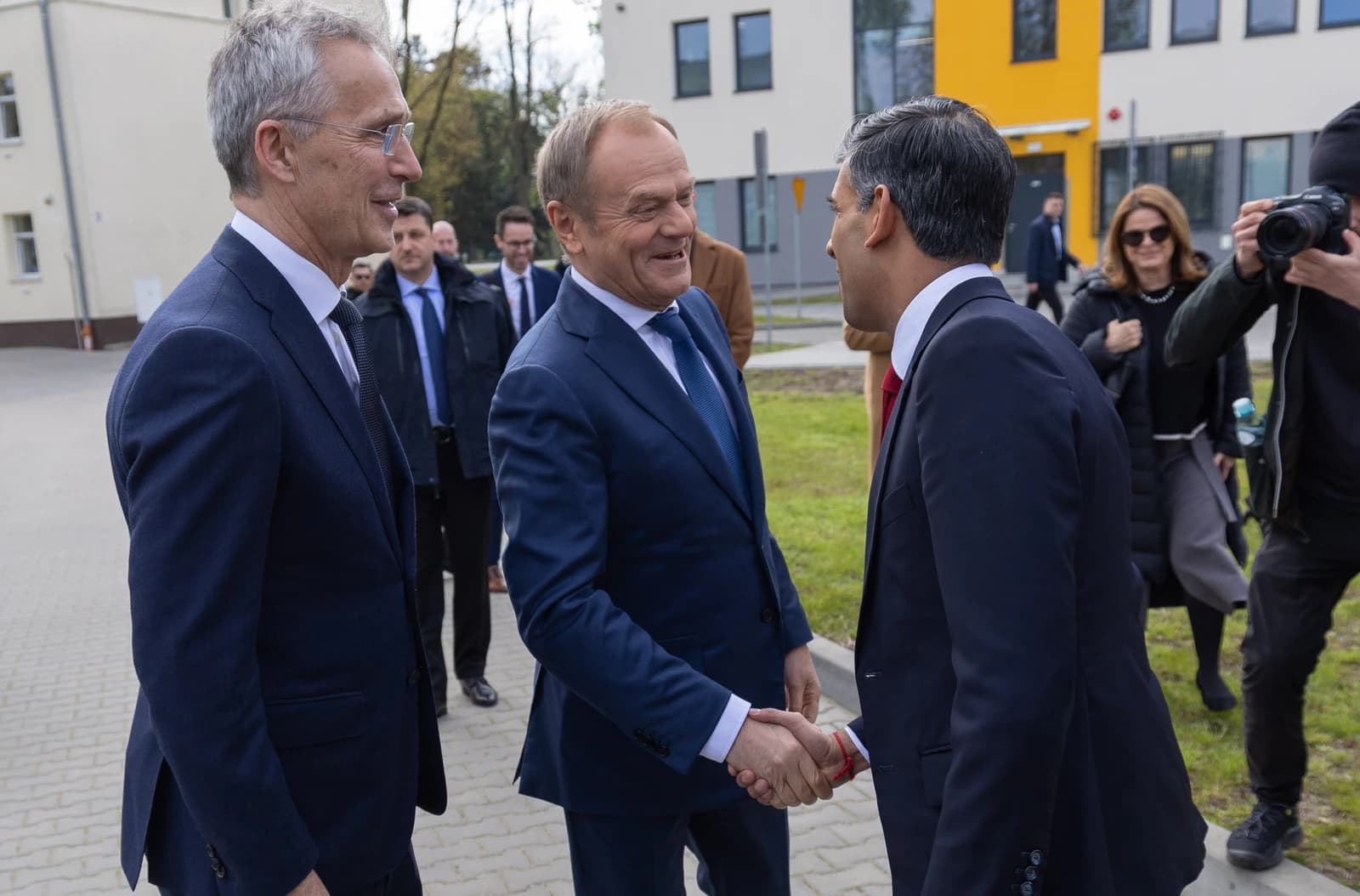
Prime Minister Narendra Modi and Polish Prime Minister Donald Tusk said they wanted the India-EU FTA signed, ratified and implemented early, according to a joint statement. The pact is aimed at “unlocking new opportunities for trade and investment, diversifying and strengthening critical value chains, and opening new markets.”
Modi said India sees room to export more machinery, chemicals, plastics and engineering goods to Poland, while seeking Polish investment in railways, advanced manufacturing, food processing and biotechnology. The two governments also discussed defense, space and nuclear energy cooperation, and invited Polish firms to co-develop and co-produce with Indian partners.
Tusk’s visit comes with a large business delegation from defense, IT, energy and heavy industry, underscoring that the trade push is not just diplomatic theater but part of a broader industrial strategy. Poland also said it would join India’s Coalition for Disaster Resilient Infrastructure, while both sides discussed direct flights, port cooperation, maritime security and the India-Middle East-Europe Economic Corridor.
Trade between the two countries remains relatively modest. India exported about $2.8 billion of goods to Poland in FY26 and imported about $1.2 billion, leaving room for both higher volumes and a broader mix of goods if the FTA lowers tariffs and speeds customs and regulatory alignment.
For investors, the deal matters because it adds to India’s broader campaign to deepen ties with Europe while expanding its role in global manufacturing. It also points to more demand for industrial capacity, logistics, defense manufacturing and technology partnerships if the agreement moves from political intent to implementation.
The next catalyst is the pace of the India-EU negotiations and whether the December signing target holds, with Modi expected to continue pushing the deal in Europe as governments and companies position for a larger trade opening.
| Entity | Gains | Losses |
|---|---|---|
| India exporters | ▲Wider EU market access | ▼Higher trade barriers |
| Polish industrial firms | ▲Entry to Indian demand | ▼Tariff friction |
| Defense/tech investors | ▲More co-production deals | ▼Slower policy rollout |
| EU-India trade skeptics | ▲— | ▼More pressure to compromise |