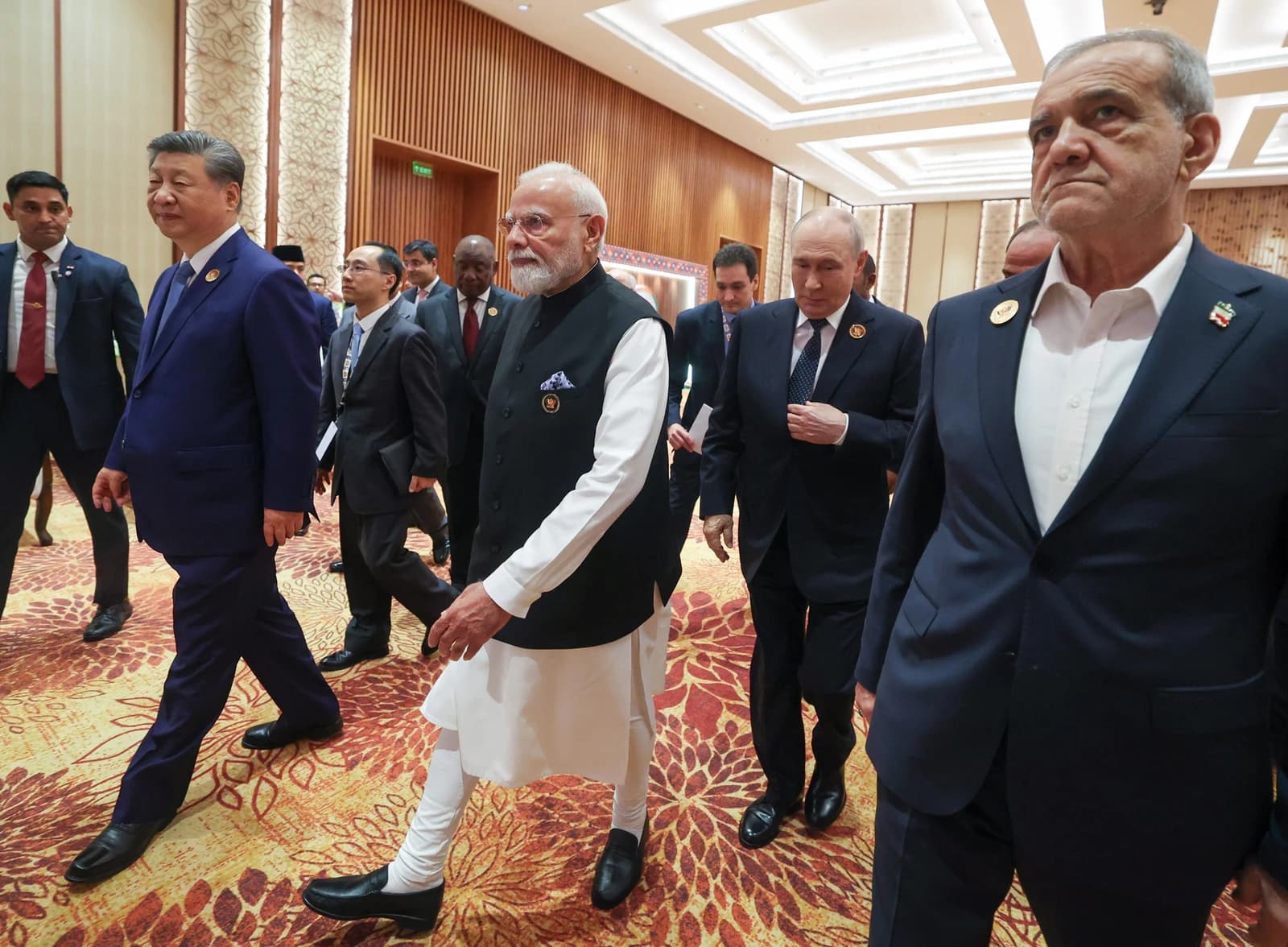
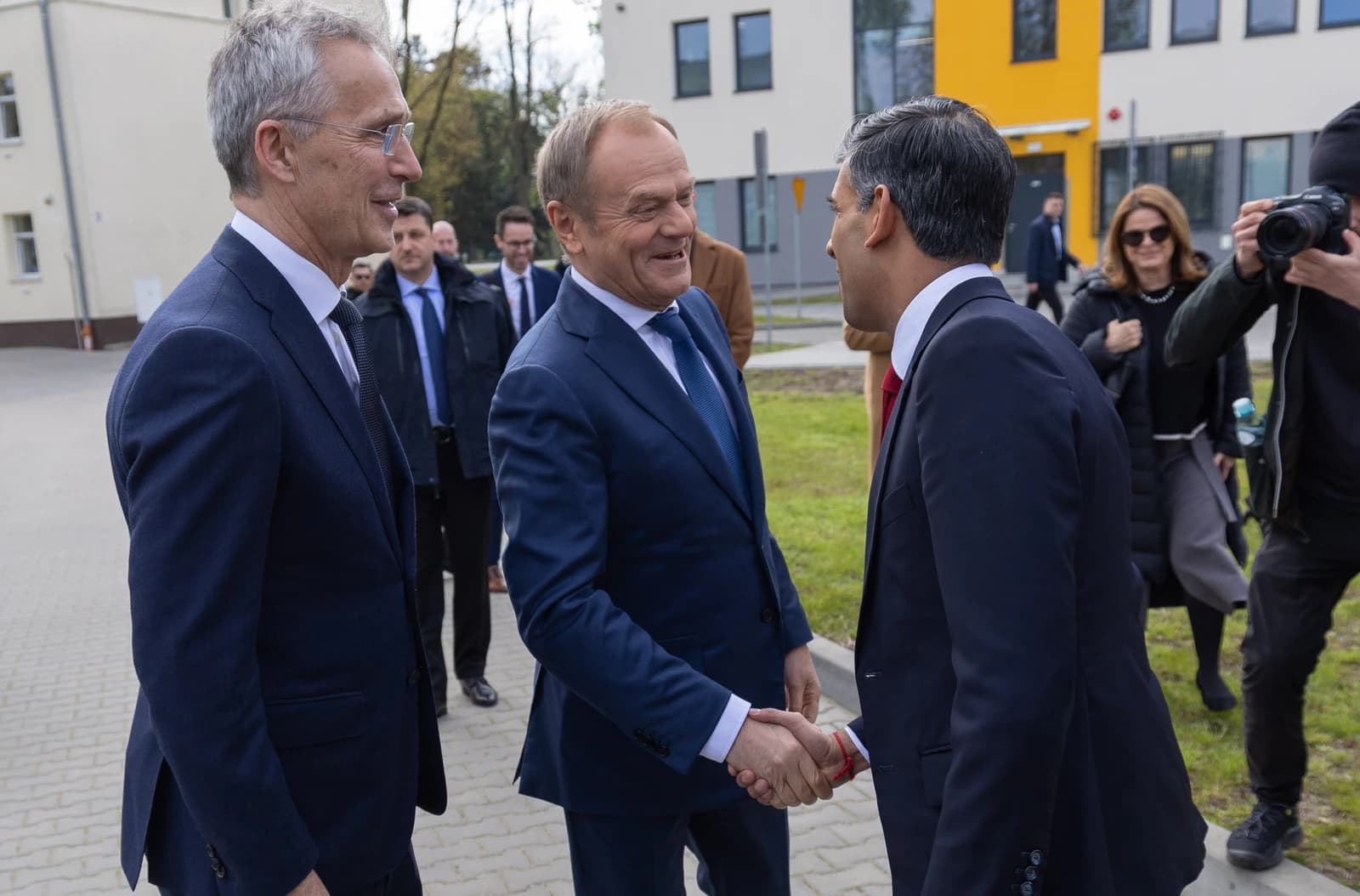
Prime Minister Narendra Modi’s outreach to Poland’s Donald Tusk is a reminder that India’s long-term investment case is tied not just to growth, but to how well it navigates an unsettled world.
India, Poland Meeting Supports INDA Long-Term Case
For investors in India-focused assets, the significance goes beyond diplomacy. A steadier geopolitical backdrop in Europe and the Middle East can help support trade, energy costs and foreign capital flows into the world’s fastest-growing major economy. That matters for exchange-traded funds such as INDA, which has been struggling to hold its footing even as long-term demand for India exposure stays intact.
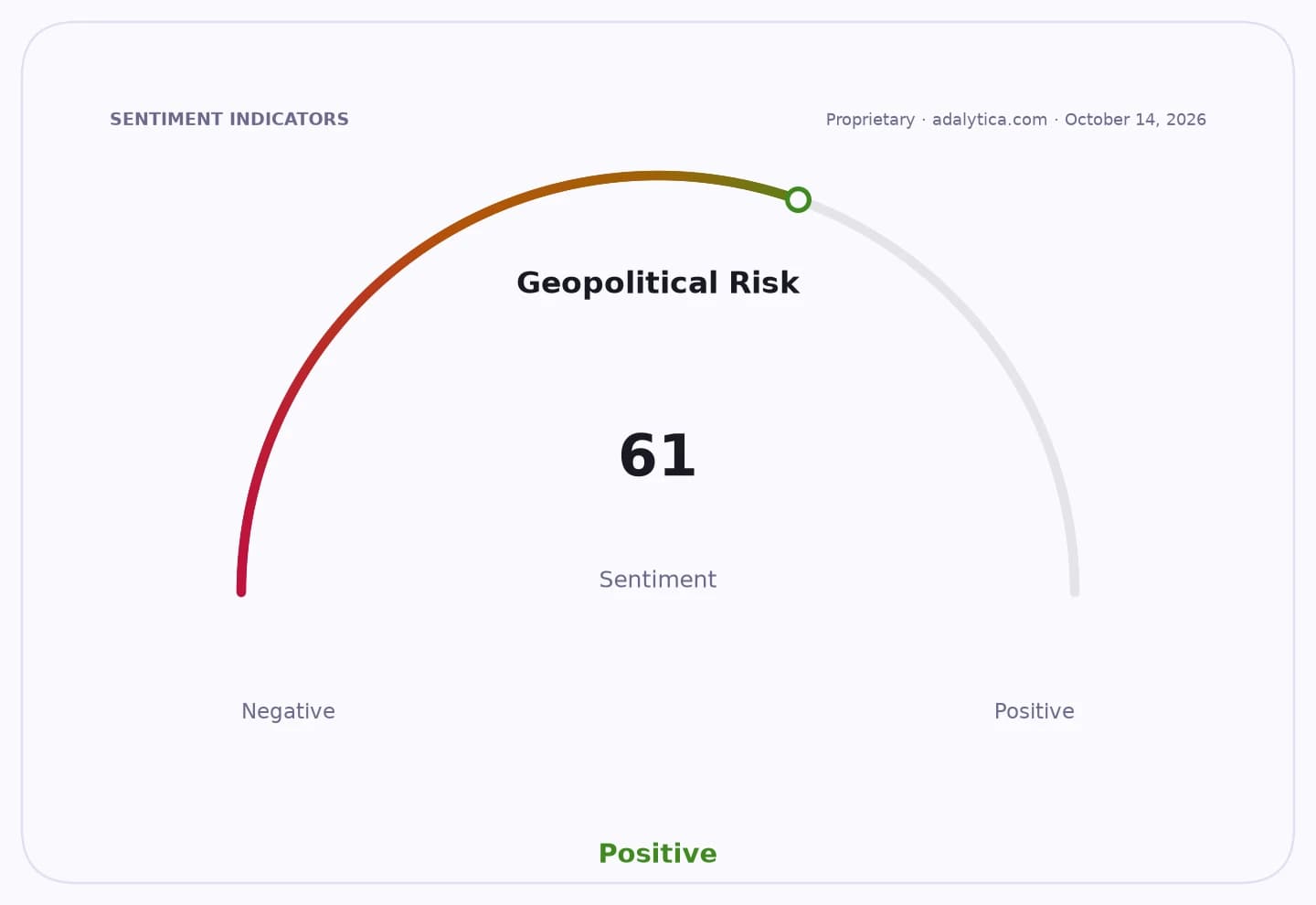
Sentiment Indicators
The meeting in Delhi centered on a “strategic partnership,” but the bigger market takeaway is that India wants to be seen as a constructive player while keeping room to maneuver with both the West and Russia. Modi’s backing of “peace efforts” in Ukraine and Iran fits that balancing act. It also comes at a moment when global investors are searching for countries that can benefit if supply chains keep shifting away from China and if Europe deepens ties with Asia’s large democracies.
INDA has lost altitude in recent months, and the chart reflects that weakness. The fund closed at $46.74 on Oct. 27, below both its 50-day moving average of $48.01 and its 200-day moving average of $49.26, a sign that sentiment has been soft despite a modest rebound from early October lows. That does not erase the bigger story: India equities remain a structural bet on domestic demand, capex, and a large consumer base that should compound over years, not weeks.
The broader market backdrop also helps explain why such diplomatic signals matter now. Adalytica’s U.S. dollar trade signals currently show fear, while S&P 500 sentiment remains in extreme fear territory. In periods like this, investors often rotate toward markets with strong secular growth and less direct dependence on one region’s policy cycle. India still fits that profile, even if near-term price action has been choppy.
The catch, as always, is that diplomacy can support the narrative, but earnings have to do the real work. India’s market will need continued growth in corporate profits, steady reform, and calm external relations to justify premium valuations. If Modi can keep Europe engaged while avoiding major geopolitical shocks in Ukraine or the Gulf, that only strengthens the case for patient investors who are willing to own India through volatility.
For long-term portfolios, the right question is not whether every headline moves the market tomorrow. It is whether India keeps building the kind of strategic relationships that reduce risk and attract capital over the next five to 10 years. On that score, this meeting is worth watching and, for diversified investors, worth keeping on the radar.
| Entity | Gains | Losses |
|---|---|---|
| India equities | ▲steadier foreign flows | ▼geopolitical risk premium |
| INDA holders | ▲long-term India exposure | ▼near-term price momentum |
| Poland and EU | ▲deeper India ties | ▼dependence on harder diplomacy |
| Russia/Iran risk trades | ▲less room to dominate narratives | ▼India’s balancing strategy |