India has sharply rejected a statement on Jammu and Kashmir issued at the Organization of Islamic Cooperation’s foreign ministers’ meeting in Baghdad, saying the comments were “beyond facts” and that Pakistan had used the bloc to advance its own agenda.
India rejects OIC Kashmir statement in Baghdad
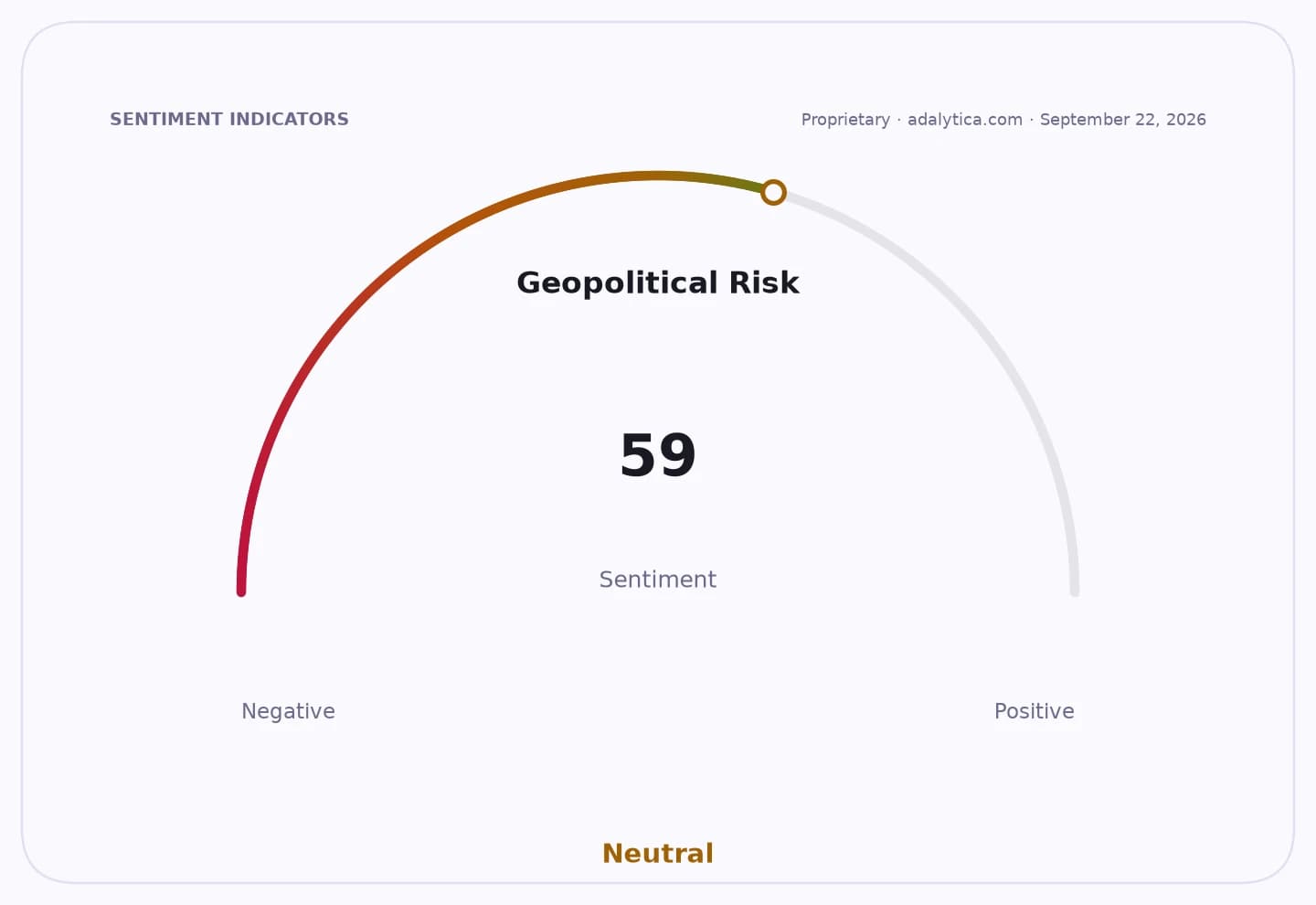
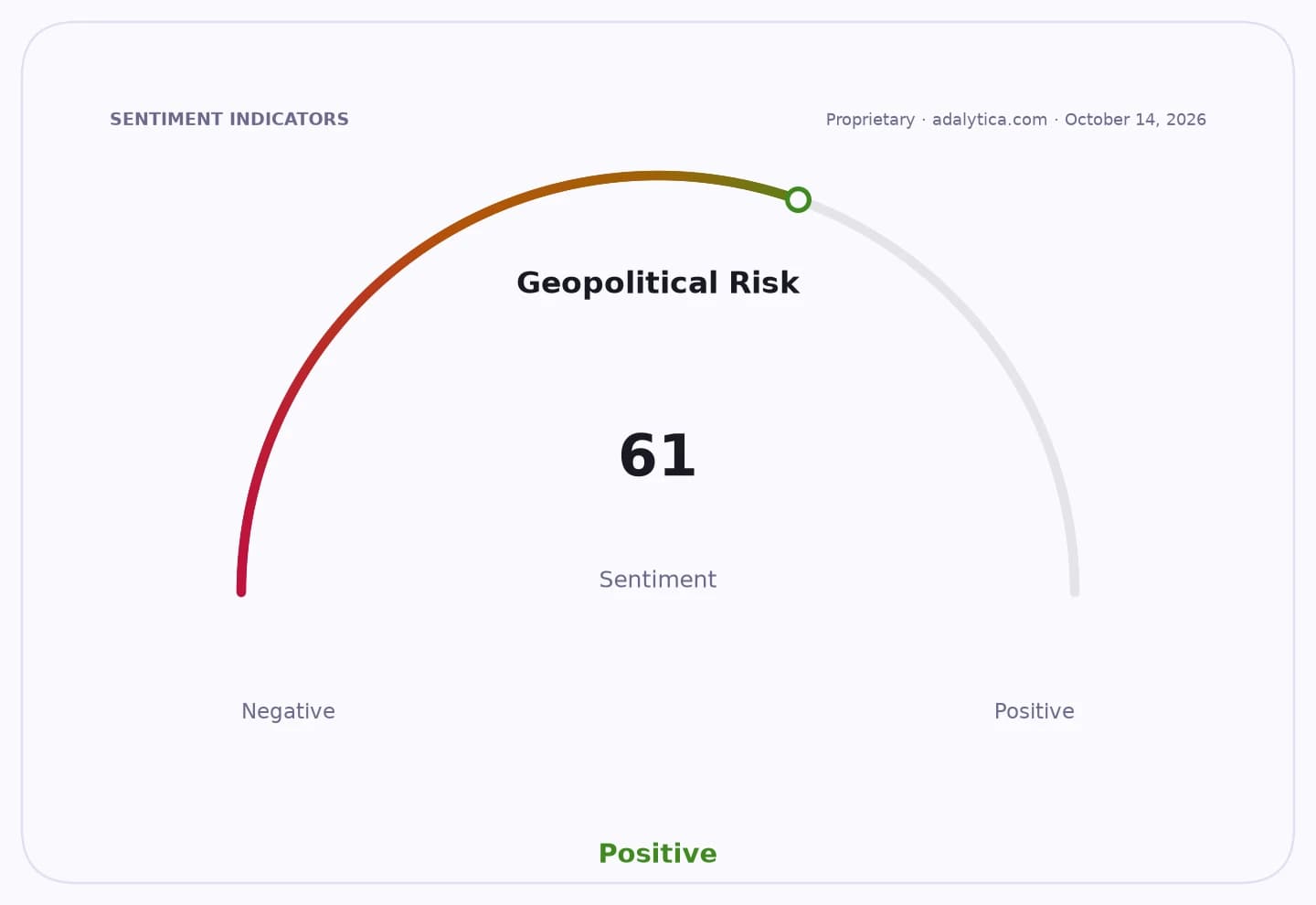
The rebuke matters because it shows New Delhi doubling down on its line that Kashmir is an internal issue, while trying to shift the argument toward Pakistan’s governance record and cross-border militancy. It also underlines how regional diplomacy remains a live geopolitical risk for investors watching India’s broader stability premium.
Sentiment IndicatorsⓘProprietary · adalytica.com · October 23, 2026
This is a snapshot — live sentiment, awareness and momentum for 130+ markets update continuously in the dashboard.Open AlphaPulse
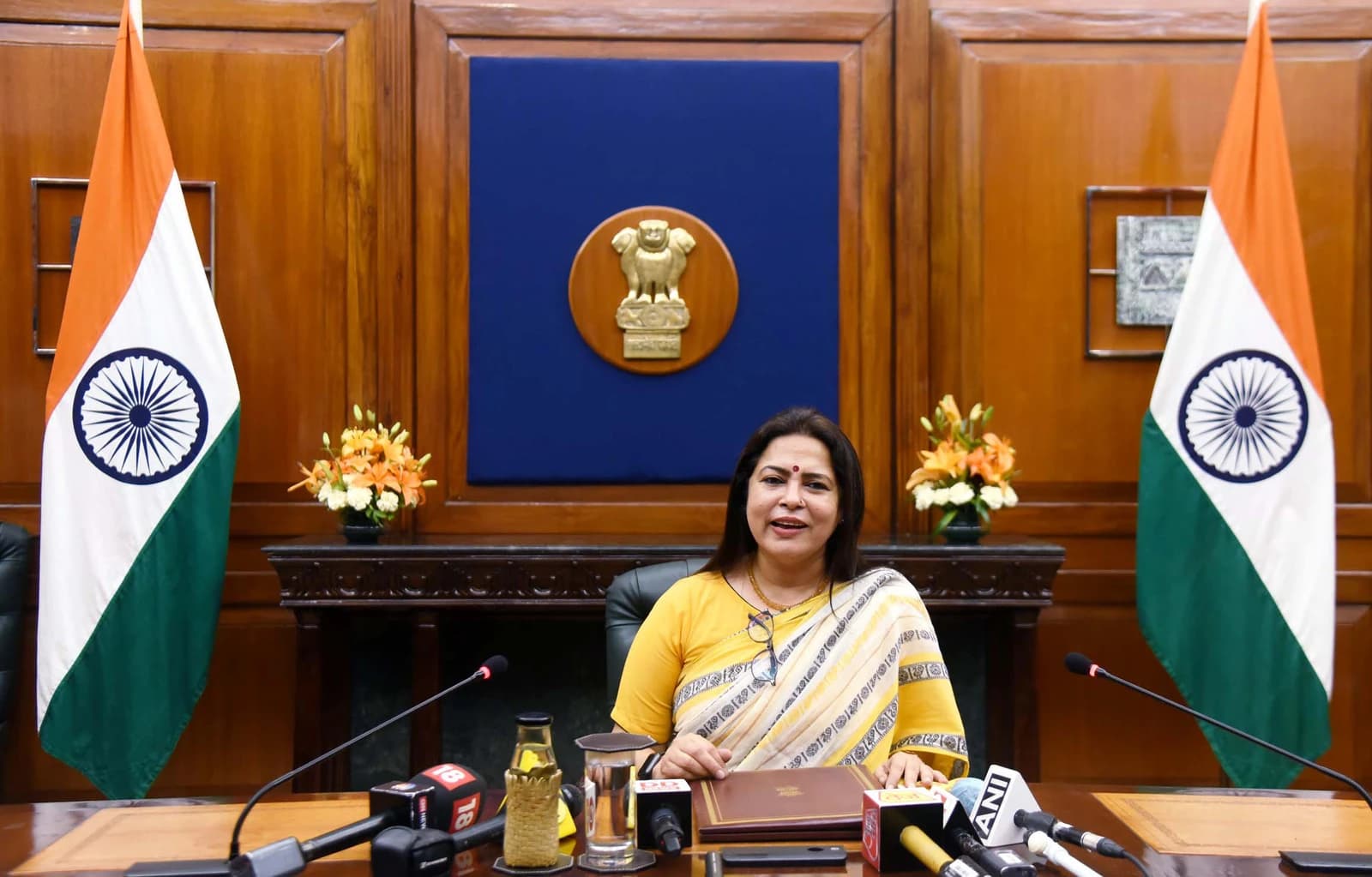
The foreign ministry said the OIC had no authority to comment on India’s internal affairs and reiterated that Jammu and Kashmir, along with Ladakh, are “integral and inalienable” parts of the country. It said allegations in the OIC resolution were “malicious, biased and false,” and accused Pakistan of repeatedly exploiting the bloc for a “narrow and fanatical agenda.”
New Delhi also pointed to economic development in Jammu and Kashmir since the revocation of Article 370, arguing that infrastructure, tourism and connectivity gains have directly benefited residents. That framing is politically important for India because it ties sovereignty claims to domestic development, a message the government has leaned on to defend its policy on the region.
India separately attacked Pakistan over Pakistan-controlled Kashmir, alleging violence against civilian protesters, repression and human rights abuses, including deaths of women and children. It said the only two Kashmir-related issues still unresolved are Pakistan vacating territory it “illegally and forcibly” occupies and ending support for cross-border terrorism.
For investors, the immediate market impact is limited, but the episode keeps alive a risk premium around South Asia’s geopolitics, particularly for Indian assets, defense spending expectations and any flare-up that could affect trade, supply chains or foreign portfolio flows. The latest remarks also signal that bilateral tensions remain a recurring feature of India’s external policy narrative rather than a passing diplomatic spat.
The next focal point is whether the OIC pushes back or whether the exchange remains rhetorical, but any deterioration in India-Pakistan ties would quickly overshadow the narrow diplomatic issue and feed into broader regional risk sentiment.
| Entity | Gains | Losses |
|---|---|---|
| India | ▲Sovereignty narrative | ▼Diplomatic friction |
| Pakistan | ▲International airtime | ▼Credibility on Kashmir |
| OIC critics in India | ▲Stronger case on bias | ▼None |
| Investors in Indian risk assets | ▲Clarity on policy stance | ▼Higher geopolitical uncertainty |