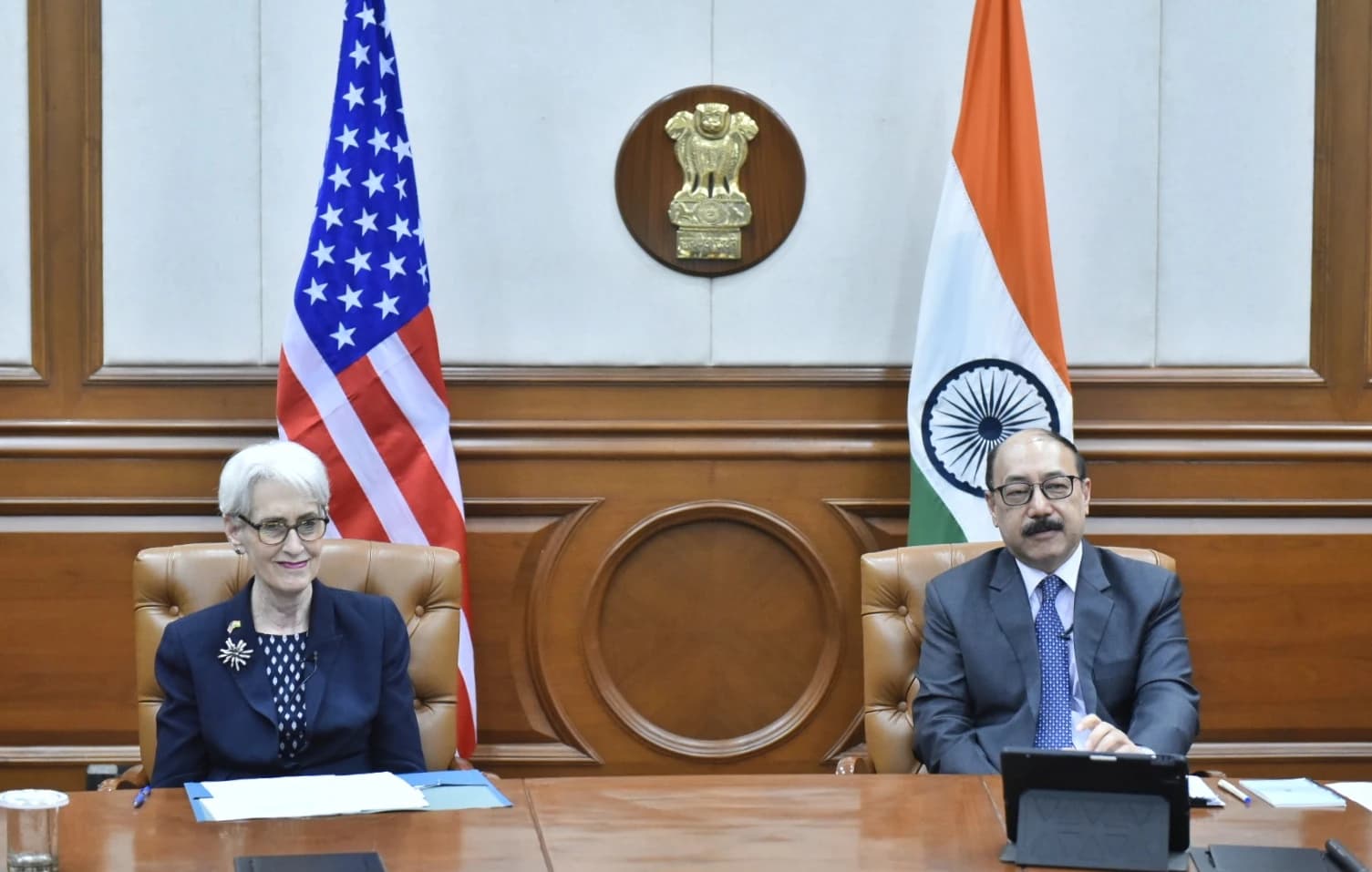
Marco Rubio’s arrival in Mumbai for talks with India’s foreign minister has put the center of gravity back on the long-delayed India-US trade deal, a negotiation that could ease tariff pressure and unlock fresh access for exporters, manufacturers and defense suppliers on both sides.
Rubio Mumbai Visit Refocuses India-US Trade Talks
The visit matters because trade has become the most commercially consequential part of a broader relationship that also spans defense, technology and critical minerals. Washington and New Delhi have been trying to close differences over market access and tariff barriers for months, and the latest round of diplomacy suggests both sides want to keep momentum despite continuing strains in the bilateral relationship.
Sentiment IndicatorsⓘProprietary · adalytica.com · October 24, 2026
This is a snapshot — live sentiment, awareness and momentum for 130+ markets update continuously in the dashboard.Open AlphaPulse
For India, a deal would be more than a symbolic win. It could help reduce the risk premium around exports at a time when global trade policy remains volatile and U.S. tariffs have already been a drag on some cross-border supply chains. U.S. companies, meanwhile, have been looking at India as a larger sourcing and demand market, even as they navigate import controls, tariff uncertainty and shifting geopolitical rules that have made production decisions more complicated.
The market response has been muted but telling. Indian ETFs tracked by the context, including the iShares MSCI India ETF and the India Fund, have been under pressure in recent weeks, with both trading below key 50-day and 200-day moving averages, while momentum readings have weakened. That suggests investors are still waiting for something concrete, not just diplomatic choreography. A credible breakthrough on trade could help re-rate India-linked assets that have been weighed down by policy uncertainty and a softer risk tone in global markets.
Rubio’s stopover in Mumbai, where he is also due to attend a reception tied to the 250th anniversary of U.S. independence, comes as both governments try to widen cooperation beyond tariffs. Defense procurement, technology ties and critical minerals are increasingly part of the same strategic bargain. For Washington, closer economic links with India fit a broader effort to diversify supply chains away from China. For New Delhi, a stronger trade framework with the U.S. offers leverage, export opportunity and a hedge against external shocks.
The next test is whether the talks deliver a timeline, not just positive language. If the two sides can narrow outstanding trade issues soon, investors could start pricing in a more durable uplift for Indian equities, industrials and exporters. If not, the market is likely to keep treating the relationship as strategically important but commercially unfinished.
| Entity | Gains | Losses |
|---|---|---|
| India exporters | ▲Better U.S. market access | ▼Tariff uncertainty |
| U.S. importers | ▲More diversified sourcing | ▼Higher trade frictions |
| Indian equities | ▲Deal-related rerating potential | ▼Policy-delay discount |
| China suppliers | ▲Less direct benefit | ▼India gains share in supply chains |