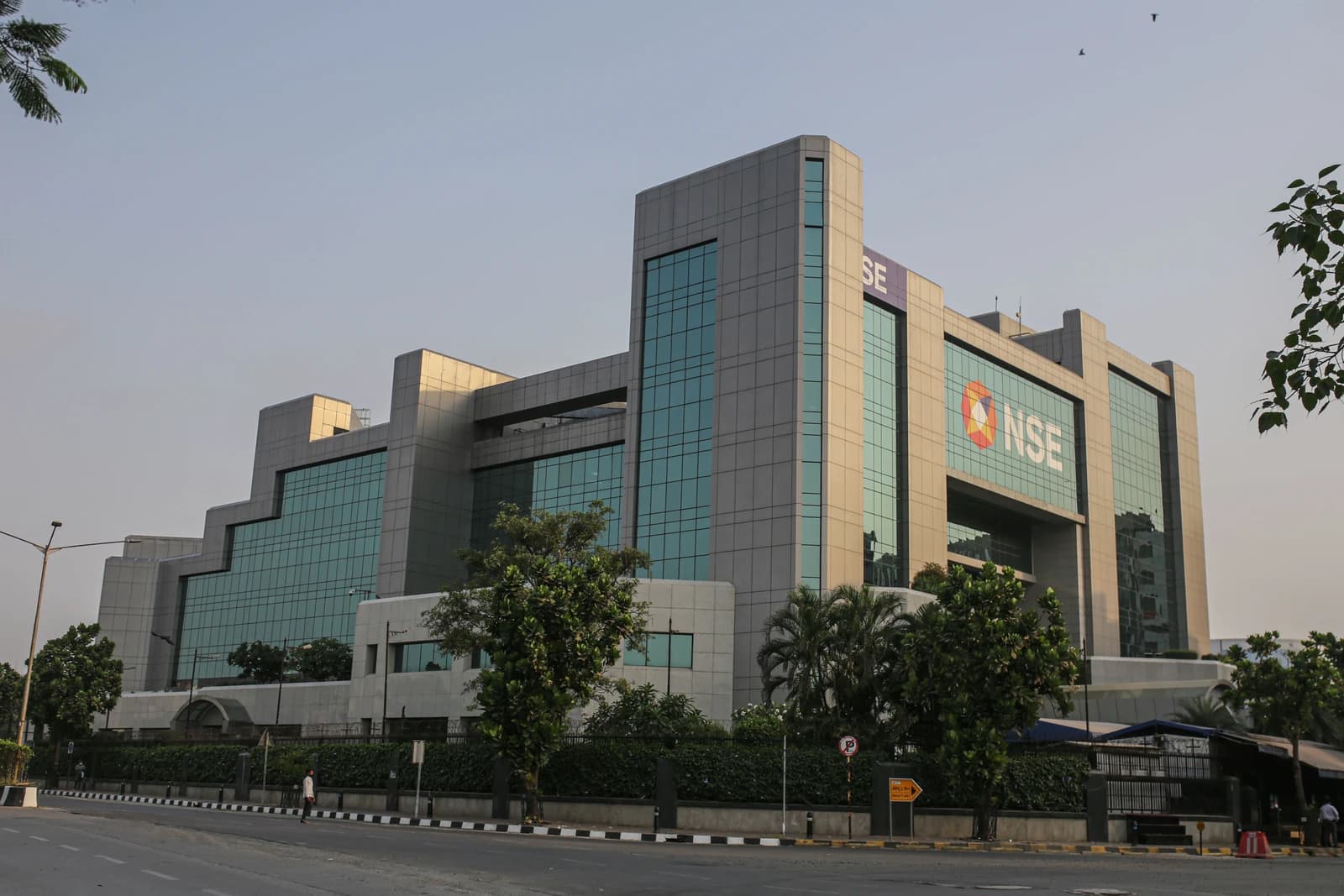
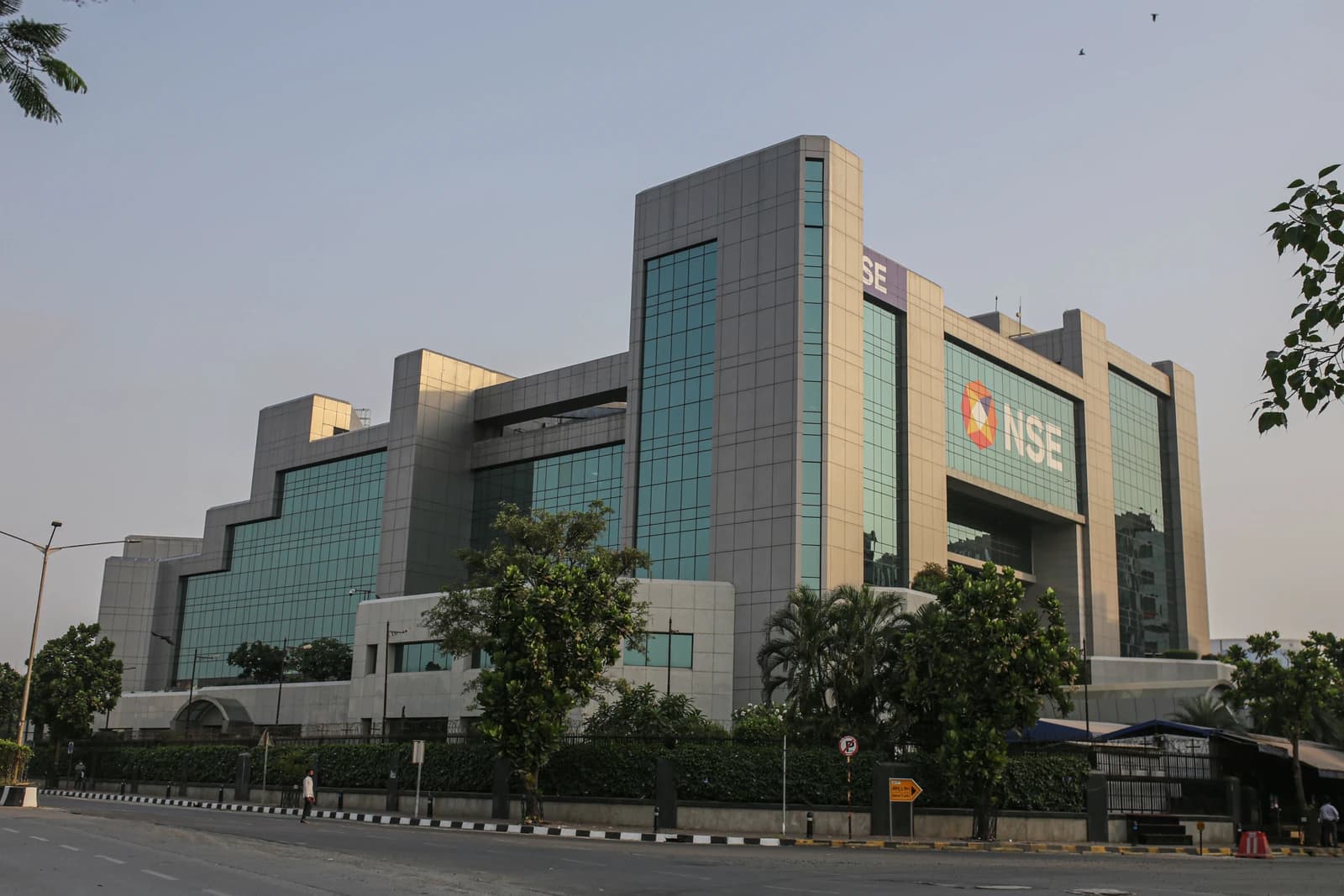
Indian equities were hit by a sharp risk-off move as the Sensex tumbled 876 points in intraday trade, with heavy foreign selling and firmer oil prices combining to drive a broad market rout.
Sensex Falls 876 Points on FII Selling, Higher Oil
That matters because India’s rally has been built on strong domestic liquidity and a belief that foreign outflows would stay manageable. When overseas investors turn sellers at the same time crude moves higher, the market loses two of its most important support pillars: liquidity and margin stability. For a growth market like India, that is enough to trigger an abrupt de-rating, especially in sectors that are already sensitive to imported inflation, earnings pressure and higher financing costs.
Sentiment IndicatorsⓘProprietary · adalytica.com · October 23, 2026
This is a snapshot — live sentiment, awareness and momentum for 130+ markets update continuously in the dashboard.Open AlphaPulse
The selloff also shows how quickly sentiment can reverse when the market is priced for perfection. Profit booking after a recent run-up, coupled with continued FII withdrawals of ₹3,459 crore over three sessions, suggests investors are unwinding risk rather than selectively rotating within the market. That kind of flow pressure tends to hit the benchmark indices first and the more crowded names hardest, which is why the day’s losses were broad rather than isolated to one sector.
For investors, the key question is not whether India’s long-term growth story is intact — it is — but whether the market has gotten ahead of that story in the short term. Rising crude is a headwind for India’s import bill, inflation outlook and corporate margins, while persistent foreign selling can keep pressure on financials, rate-sensitive sectors and large-cap index names. In that environment, the best opportunities are likely to be in high-quality domestic compounders with pricing power and limited exposure to imported input costs, not the most crowded momentum trades.
The signal here is straightforward: India remains a secular growth market, but the near-term trade has become more selective. If oil stays firm and foreign outflows continue, benchmark volatility could persist even as longer-term capital is still likely to favor India’s structural growth sectors, including technology, industrials and domestic consumption plays. For investors, this is a moment to stay invested — but with a tighter focus on balance-sheet strength, earnings durability and where the market has not yet fully priced in the slowdown in flow momentum.
| Entity | Gains | Losses |
|---|---|---|
| Domestic value stocks | ▲Relative resilience | ▼Less speculative upside |
| Oil producers | ▲Higher pricing power | ▼— |
| Import-heavy sectors | ▲— | ▼Margin pressure |
| FIIs selling Indian equities | ▲Short-term de-risking | ▼Missed rebound if flows reverse |