China’s move to curb exports of tunnel boring machines to India is a fresh geopolitical lever that could slow some of the region’s most capital-intensive infrastructure projects and shift spending toward alternative suppliers.
China Curbs TBM Exports to India
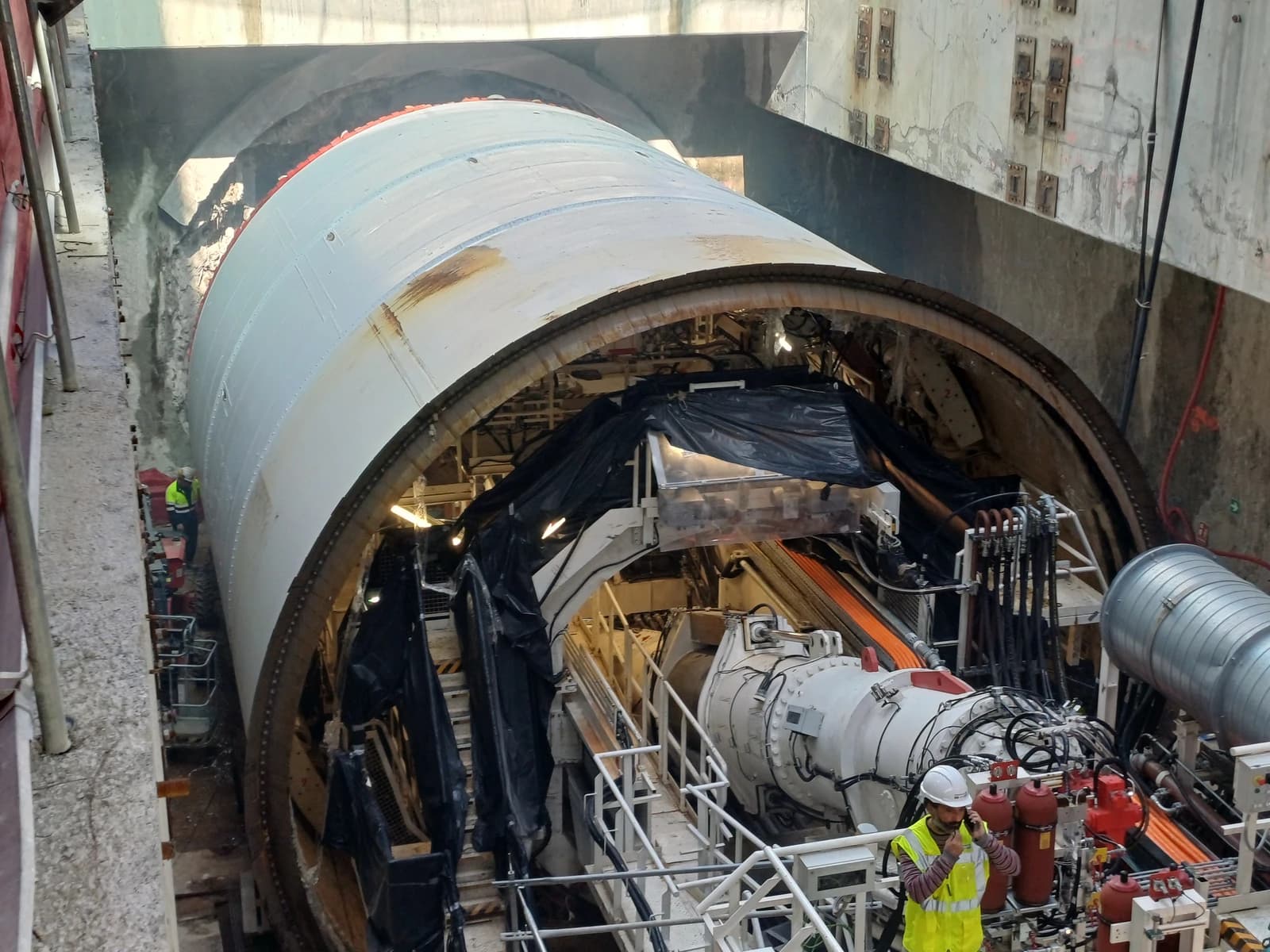
Beijing said the restrictions, which take effect Nov. 18, are aimed at safeguarding national security and interests. But the economic message is broader: China is willing to weaponize industrial equipment at a moment when India is leaning hard on underground metros, high-speed rail and border tunneling to support growth and strategic mobility.
Sentiment IndicatorsⓘProprietary · adalytica.com · October 24, 2026
This is a snapshot — live sentiment, awareness and momentum for 130+ markets update continuously in the dashboard.Open AlphaPulse
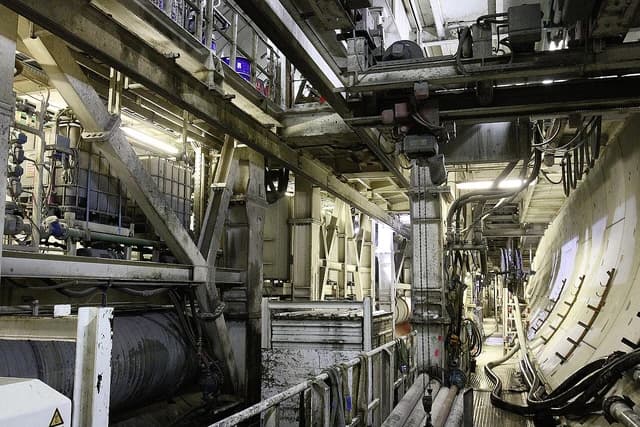
That matters because tunnel boring machines are not easily replaced. They are highly specialized capital goods with long lead times, and the projects that depend on them are already among the hardest to execute. Any delay ripples through construction schedules, labor deployment, financing costs and expected returns on large public works. For India, the biggest risk is not just a short-term bottleneck in machine availability, but a slower pace of infrastructure delivery across metro systems, rail links and frontier corridors.
For investors, the ban reinforces a theme the market often underprices: geopolitical fragmentation is turning infrastructure supply chains into a strategic battleground. That creates winners not only among local equipment makers and contractors in India, but also among global industrial names that can substitute into a constrained market. Caterpillar and United Rentals stand out as secondary beneficiaries if Indian developers and contractors need more heavy equipment, rental fleets and support services from non-Chinese channels. India’s domestic engineering and construction ecosystem could also gain pricing power if projects are forced to localize more of their equipment sourcing.
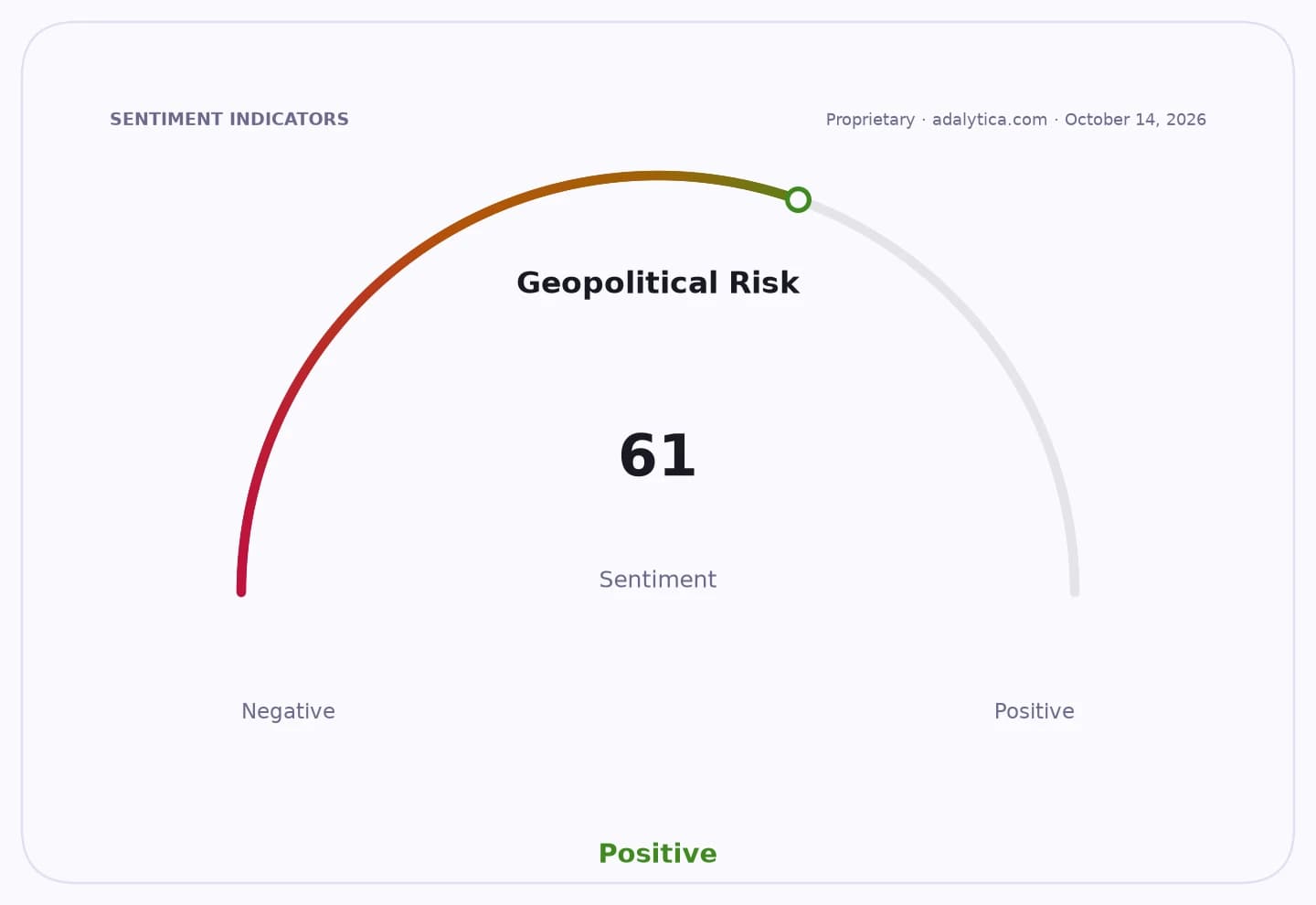
Geopolitical Risk — 30-day sentimentadalytica.com
Explore this data interactively — full history, time series and cross-market comparisons.Open AlphaPulse
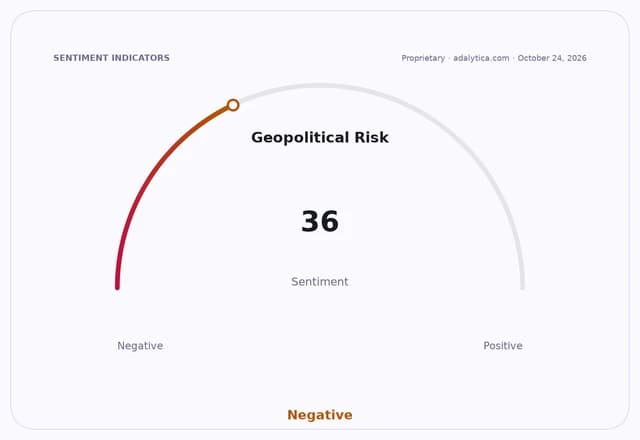
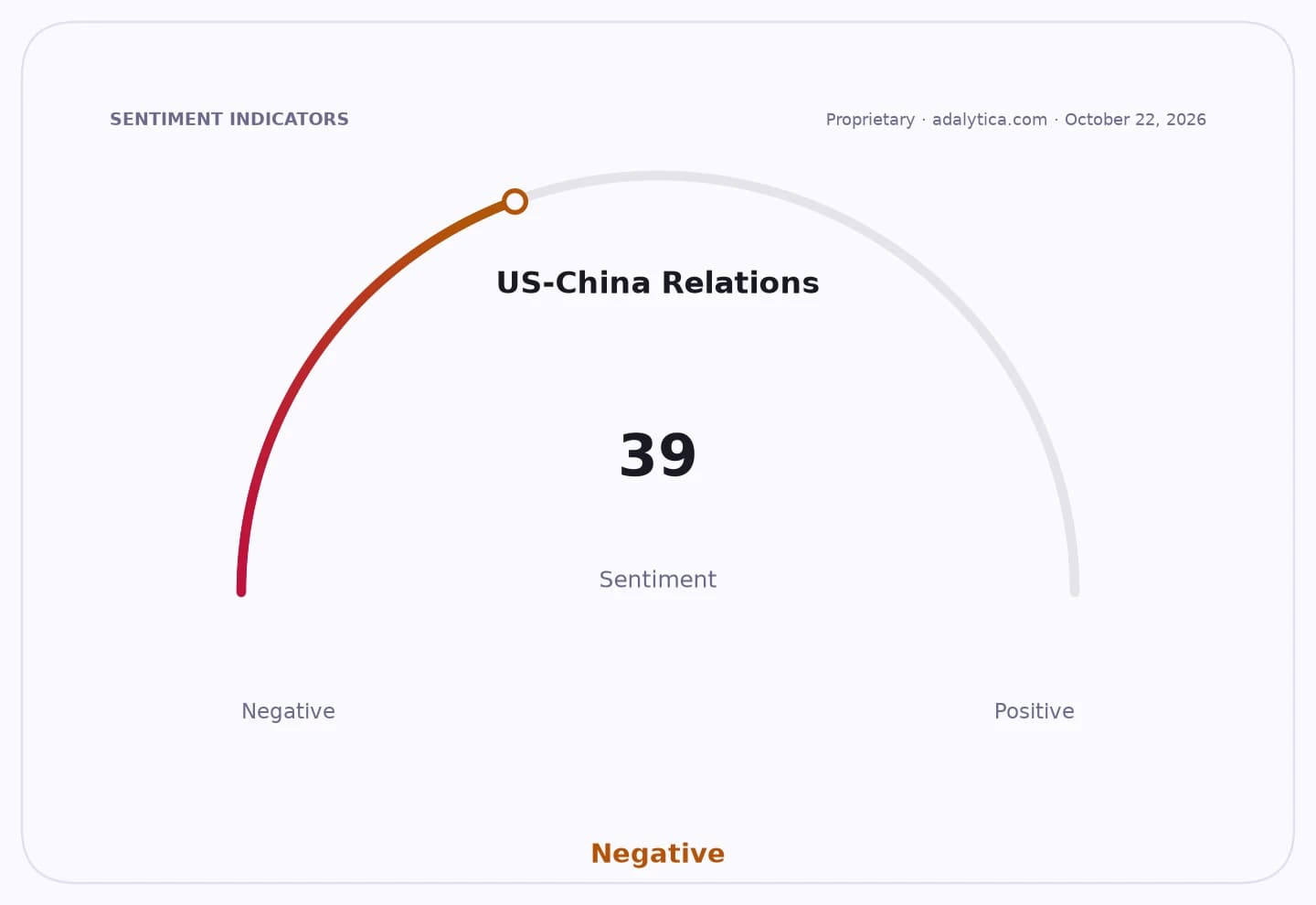
The timing is notable. Bloomberg-style technical and market signals suggest investors are already pricing in more volatility across risk assets and geopolitics, with Adalytica’s Global Stability Sentiment now at 36, or neutral, while its US-China relations gauge sits at 39 and remains in a fragile zone. That combination points to a market that is still reacting to policy escalation rather than anticipating it.
The bigger investment takeaway is that this is not just another trade restriction. It is another step in the reordering of global industrial supply chains, where control over niche capital equipment can have outsized economic consequences. I believe investors should treat this as a long-duration tailwind for non-Chinese infrastructure suppliers, rental fleets and industrial manufacturers positioned to capture demand diverted by geopolitical friction.
| Entity | Gains | Losses |
|---|---|---|
| Chinese equipment rivals | ▲Strategic leverage | ▼Export revenue to India |
| Indian infrastructure developers | ▲Potential local sourcing push | ▼Access to TBMs |
| Caterpillar, United Rentals | ▲Substitute demand | ▼None directly |
| India’s metro and tunnel projects | ▲Long-term localization | ▼Near-term delays |