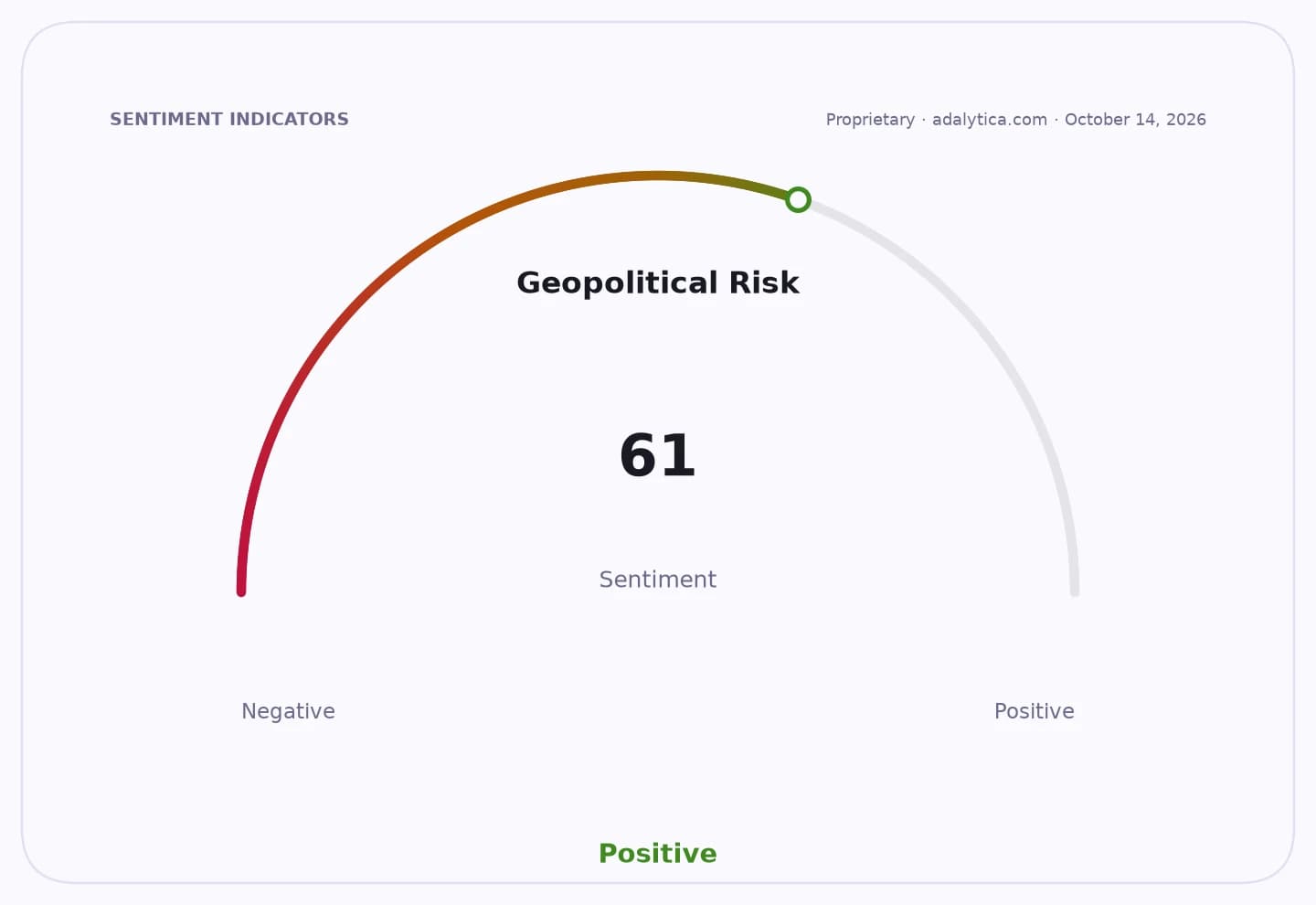
Canada’s renewed drive to seal a trade agreement with India by year-end is the most important development here, because it turns a fragile diplomatic thaw into a potentially durable commercial opening for both countries.
Canada India trade talks before December visit
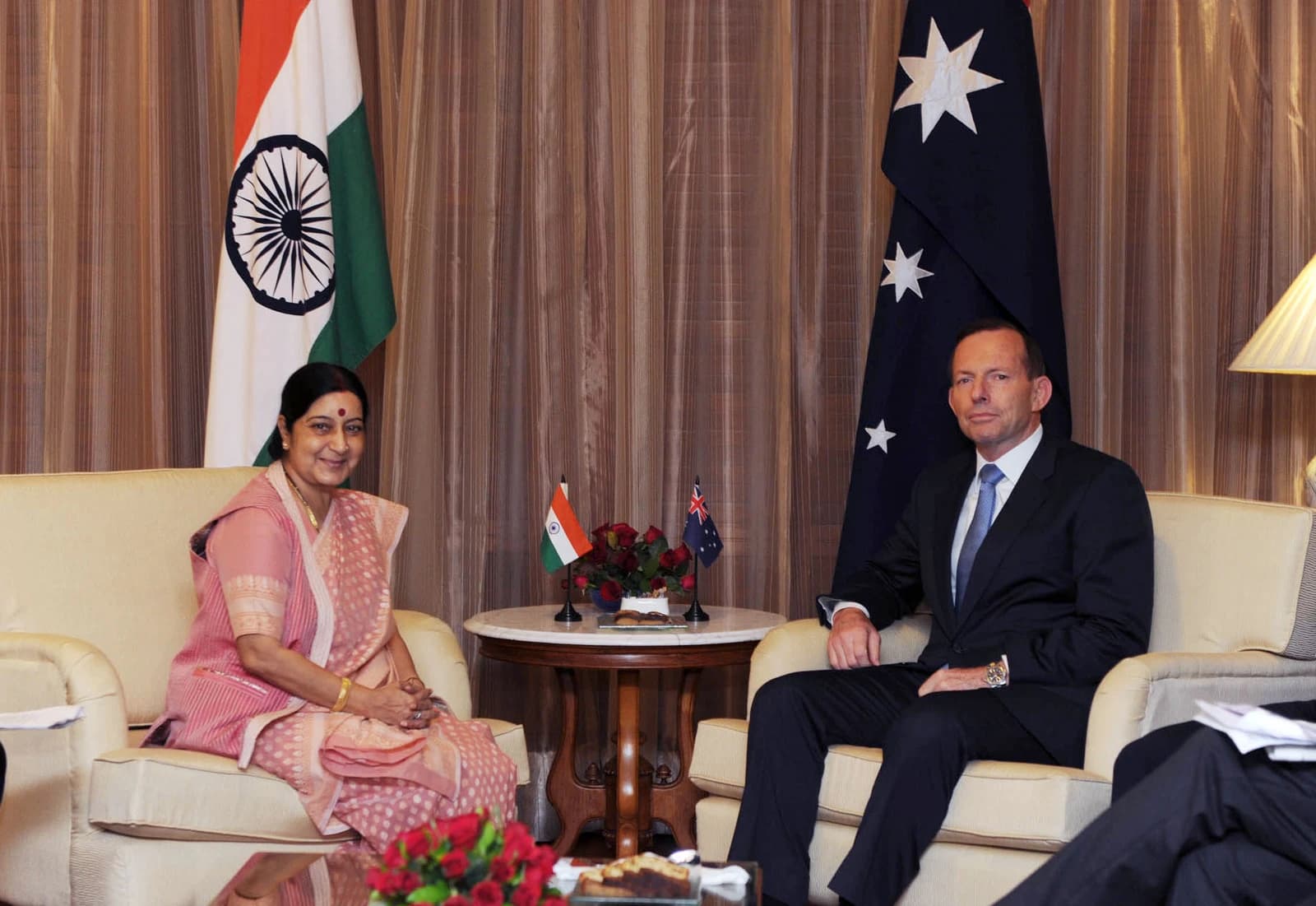
Anita Anand’s meetings with Prime Minister Narendra Modi and Foreign Minister S. Jaishankar underline that this is no longer just about repairing political damage after the 2023 rupture over the Hardeep Singh Nijjar killing. It is about money, market access and supply chains at a time when governments are scrambling to diversify away from overdependence on the U.S. and China.
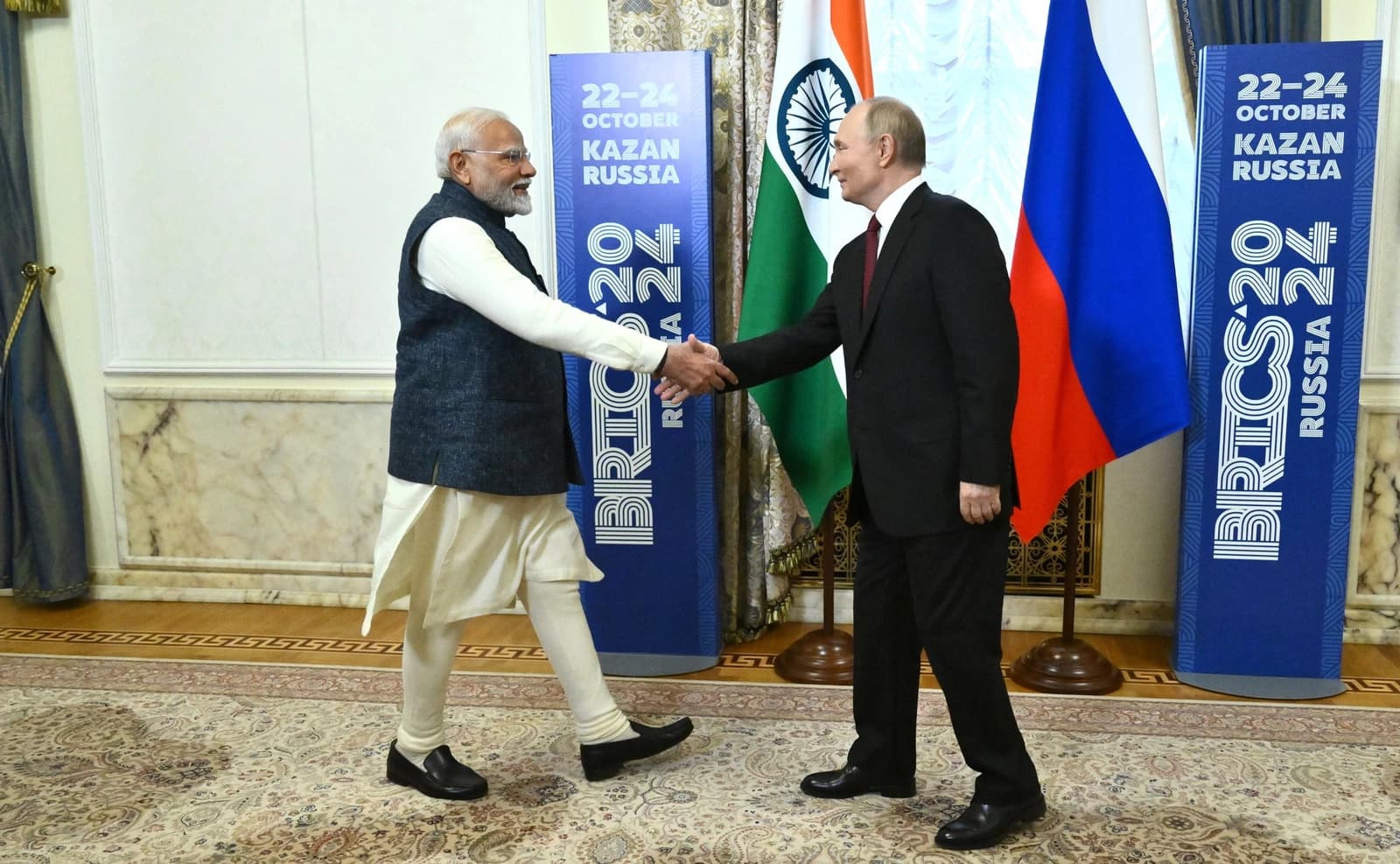
The timing matters. India and Canada have just completed a fifth round of talks on a proposed comprehensive economic partnership agreement, and both sides are now talking openly about concluding negotiations before Modi’s planned December trip to Canada. That would be a meaningful shift from diplomacy to execution, and it could reset bilateral trade, investment and energy flows for years.
For investors, the opportunity is not limited to the headline trade deal. A deeper Canada-India corridor could benefit exporters of industrial equipment, energy services, critical minerals, logistics and education. Canada is also positioning itself as a partner in security, defence and clean energy, which broadens the economic footprint beyond simple tariff cuts. If the talks progress, the biggest winners may be the “picks-and-shovels” companies that enable cross-border investment, not just the obvious consumer-facing names.
The market should also pay attention to the geopolitics. Anand’s language about India as a “valuable partner” amid “geopolitical uncertainty” reflects a wider middle-power realignment. Canada wants more resilient trade ties. India wants diversified capital, energy and technology partners. In a world of sanctions, supply-chain rewiring and U.S. policy volatility, that combination is powerful.
The near-term catalyst is Modi’s December visit. If the two governments use that trip to announce a substantive trade framework, it would strengthen the case for a broader re-rating of India-linked infrastructure, energy and industrial beneficiaries, while also supporting Canadian companies with exposure to Asia’s fastest-growing major economy. My view is simple: the market is still underestimating how quickly diplomatic resets can turn into commercial upside when both sides need diversification.
| Entity | Gains | Losses |
|---|---|---|
| India | ▲Bigger export market | ▼Diplomatic isolation risk |
| Canada | ▲Access to fast-growing demand | ▼Reliance on U.S. trade |
| Industrials and energy firms | ▲New contract pipeline | ▼Delay if talks stall |
| U.S.-centric trade model | ▲Less dependence | ▼Share of strategic attention |